
Last updated November 15, 2026
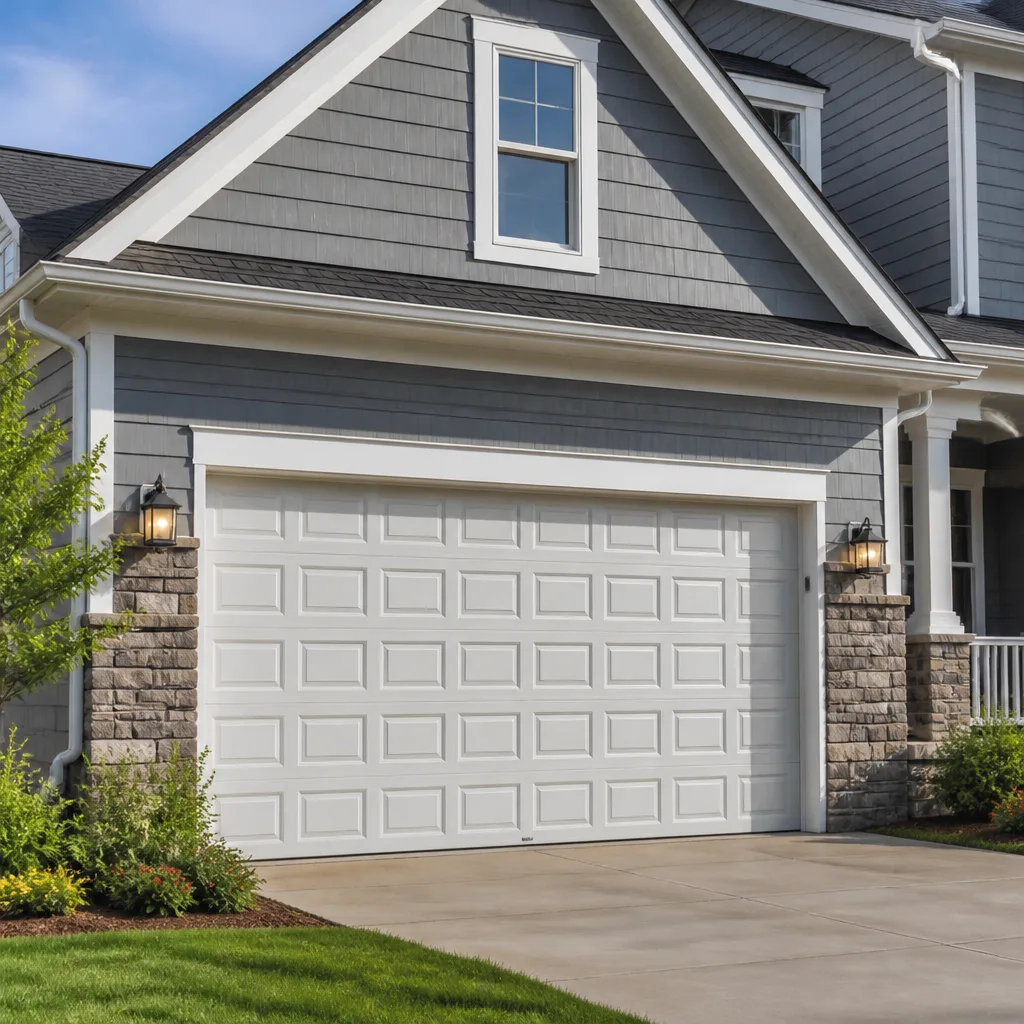 Raised-panel steel
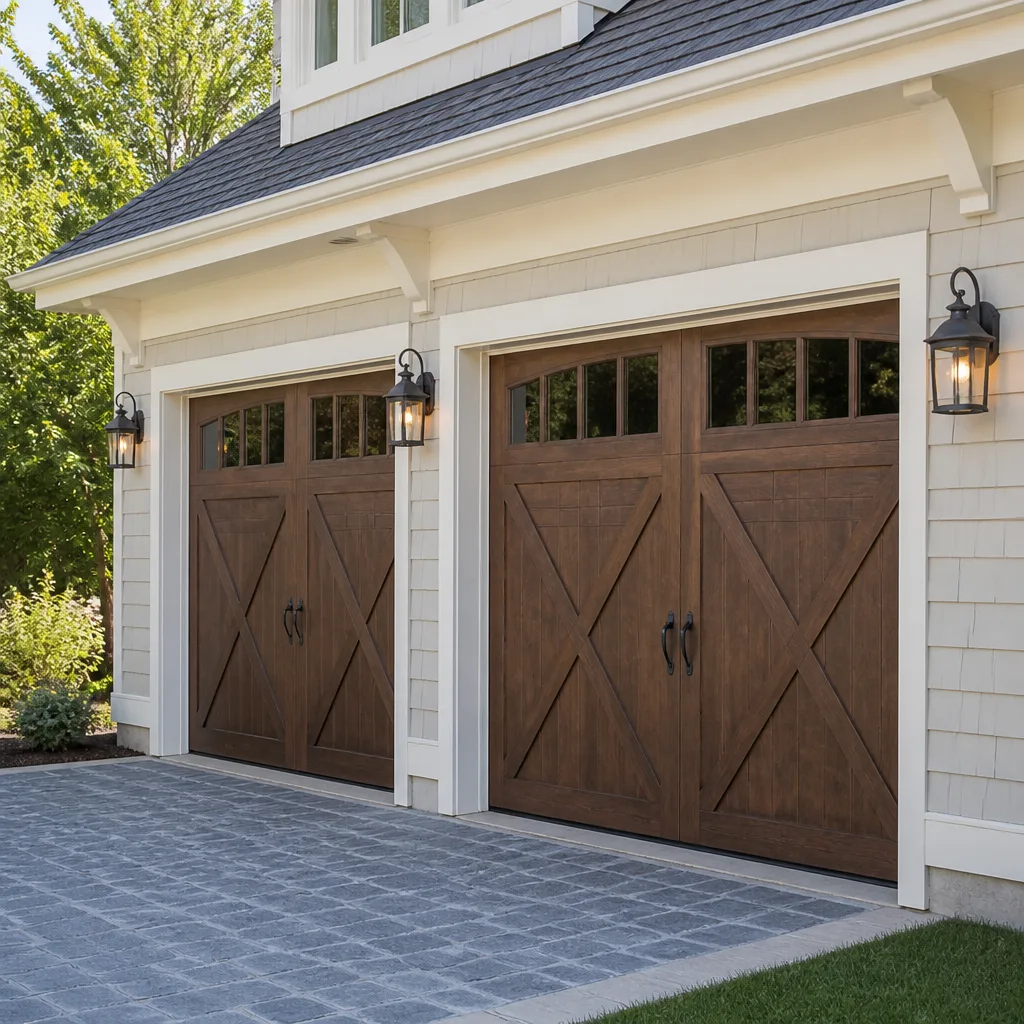 Carriage house
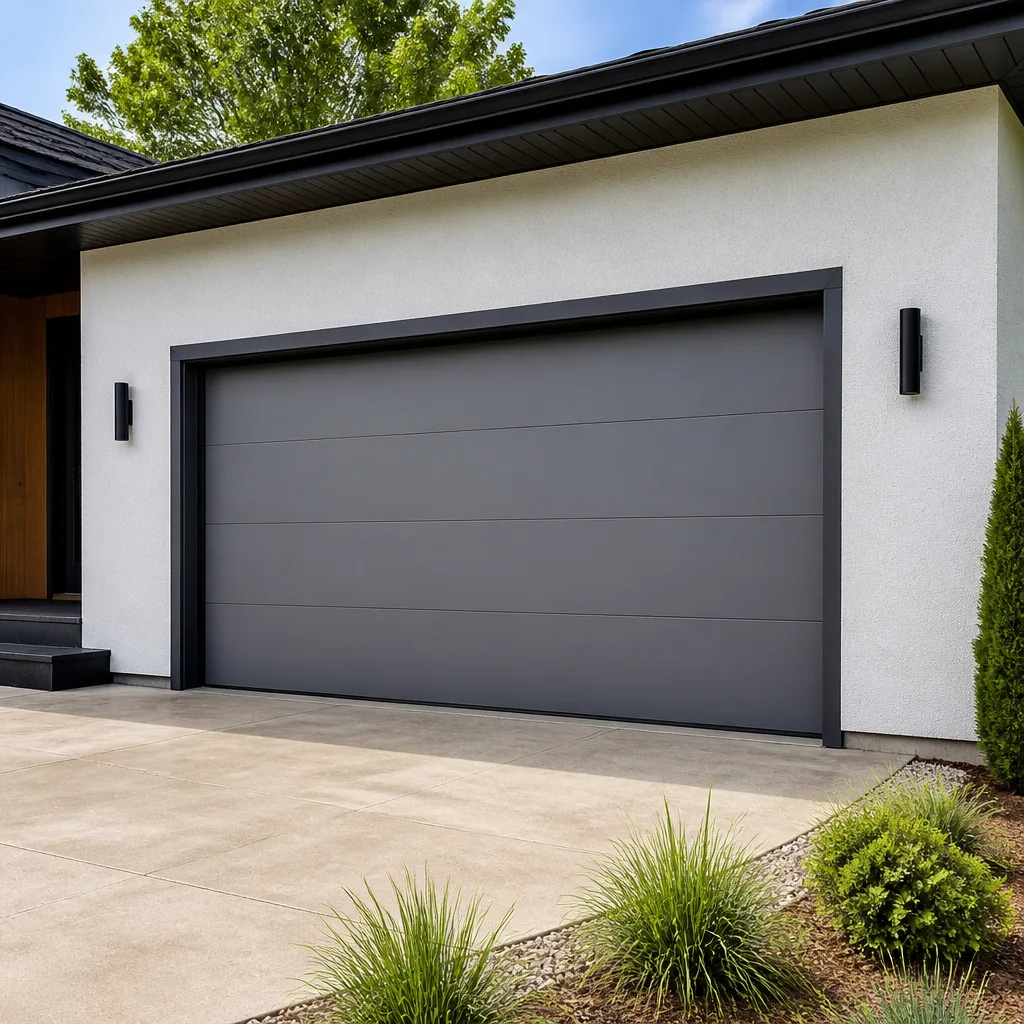 Modern flush
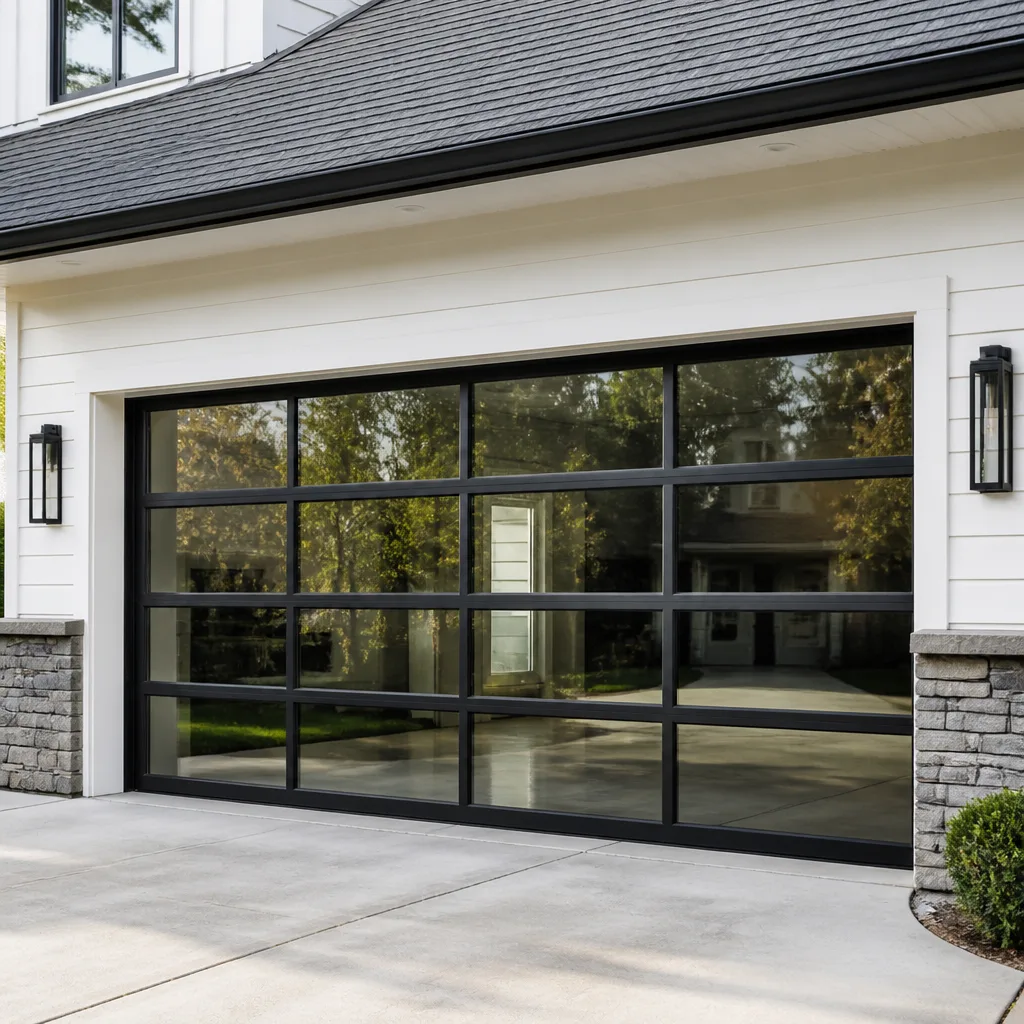 Full-view glass
 LiftMaster openers
 Chamberlain openers
Full 25-point door and opener safety check with every visit - springs, cables, rollers, tracks, and your LiftMaster or Chamberlain opener included
You get a price before we start. It does not change when the pro arrives.
Get your free estimateSeasonal Garage Door Care for St. Paul: Year-Round Homeowner’s Guide
Most homeowners treat garage door maintenance as one annual chore, usually squeezed in sometime before the snow flies. That’s the mistake. A garage door in St. Paul doesn’t face one season of stress, it faces four very different ones, and each one attacks a different part of the system. Summer humidity swells wood and composite panels until the door’s balance point shifts. Fall freeze-thaw cycles work on the bottom seal. Winter cold makes torsion springs brittle and can weld a door to the floor. Spring thaw heaves the concrete slab your tracks are anchored to. Treat seasonal care as four separate jobs, timed to Minnesota’s real weather rather than a generic calendar, and you’ll spend far less time standing in a cold garage wondering why the door won’t budge.
Quick Answer
Seasonal garage door care in St. Paul means matching four different maintenance tasks to Minnesota’s actual season timing: a pre-winter spring and seal check in October, freeze-release technique and cold-rated lubrication in winter, a post-thaw track and slab inspection in March and April, and a balance check in humid summer months when wood and composite doors swell. Doing the right task at the right time prevents most of the failures we see, from snapped torsion springs in January to tracks pulled out of plumb by frost heave in April.
Styles & brands we work with
- Raised-panel steel
- Carriage house
- Modern flush
- Full-view glass
- LiftMaster openers
- Chamberlain openers
Table of Contents
- Fall: The Pre-Winter Protocol That Actually Matters
- Winter: What to Do When a Door Freezes to the Floor
- Spring: Post-Thaw Track and Slab Inspection
- Summer: Humidity, Swelling, and the Balance Point
- Month-by-Month Task Calendar for Minnesota
- The Right Lubricant for the Right Season
- Common Mistakes to Avoid
- When to Call a Professional
Fall: The Pre-Winter Protocol That Actually Matters
October and early November are the most important weeks of the garage door year in St. Paul. This is when summer’s deferred maintenance meets the first hard temperature drop, and small issues that would have been cheap to fix in September turn into broken-door calls in December. There are three specific tasks that matter before the ground freezes.
1. Spring tension check
Walk out to the door, disconnect the opener (pull the release handle), and lift the door by hand about halfway. A properly balanced door should stay roughly where you leave it, maybe drifting slowly. If it slams down or rockets up, the torsion springs have lost tension or are mismatched, and that imbalance will be magnified by cold weather. Do not attempt to adjust torsion springs yourself. They’re under extreme tension and can cause serious injury if handled incorrectly. Have a trained technician check them before the first hard freeze. Our technicians have up to 8 years of experience with torsion spring systems on every major brand, including Wayne Dalton and Raynor doors.
2. Switch to cold-rated lubrication
The light oil or silicone spray you used in July may thicken or gum up in subzero temperatures. Before winter, clean the hinges, rollers, and track with a dry cloth or brush, then apply a cold-rated garage door lubricant or a lithium grease formulated for low temperatures. Avoid WD-40 as a long-term lubricant; it’s a penetrant, not a grease, and it attracts dust that turns into grinding paste.
3. Bottom seal inspection
The bottom seal is what keeps snow, meltwater, and cold air out of your garage, and it’s the first thing to fail after a summer of heat and sun exposure. Run your hand along the seal (with the door down and the opener disconnected) and look for cracks, hardening, or gaps at the corners. A cracked seal lets water in, and water at the threshold is what freezes your door to the floor in January. Replacing a worn bottom seal is one of the least expensive repairs in garage door work, and it’s far cheaper than a frozen door or rotted bottom panel.
Clayton, Highland Park, and other older St. Paul neighborhoods with original wood doors take this seriously because wood bottom panels are especially vulnerable to moisture infiltration. If your door has wood construction, check the bottom seal and the bottom rail together.
Winter: What to Do When a Door Freezes to the Floor
Every winter in St. Paul, we get calls about doors that won’t open because the bottom seal is frozen to the concrete. The instinct is to hit the opener button and hope, or to force the door by hand. Both are mistakes, and the second one can snap a torsion spring or strip the opener’s gear assembly.
Why forcing the door destroys springs
The opener and the torsion springs are matched to lift the door’s weight. When the bottom is frozen and the opener tries to lift anyway, the spring system takes the full load of the ice bond, plus the door’s weight, all at once. Torsion springs are wound to a precise number of turns for the door’s weight. Torque them past spec and they can fail suddenly, and a failed torsion spring means the door drops. That’s a real safety risk, not just an inconvenience.
How to safely break the seal
- Disconnect the opener using the release cord so the opener motor isn’t fighting the ice.
- Use a plastic scraper or a rubber mallet, never a metal tool, to work around the bottom seal and break the ice bond gently.
- Once the seal is loose, lift the door by hand a few inches to confirm it moves freely before re-engaging the opener.
- Clear snow and ice from the threshold and treat the concrete with an ice melt product that’s safe for concrete, or a light dusting of sand, to prevent re-freezing.
If the door still won’t lift after breaking the ice, the problem is mechanical, not environmental. That’s the point to stop and call a specialist. For a door that’s stuck or making grinding noises in the cold, our garage door repair team can diagnose the issue the same day. If the opener itself is the problem, our garage door opener repair service handles LiftMaster and Craftsman units as well as the other major brands.
Spring: Post-Thaw Track and Slab Inspection
Spring in St. Paul is when the ground thaws, and that thaw moves things. Frost heave can lift or shift the concrete slab your garage door tracks are anchored to by a quarter-inch or more without any visible cracking. When the slab moves, the tracks go out of plumb, and the door starts binding against the rollers.
What to check after the thaw
- Track plumb: Stand inside the garage and sight down each vertical track. It should be perfectly straight from floor to header. A visible bow or lean toward or away from the door is a sign the slab or the framing has moved.
- Roller alignment: With the door closed, check that each roller sits evenly in its track. Rollers that pop out of the track or squeal when the door operates are a red flag.
- Concrete cracks at the anchor points: Look at the base plates where the tracks bolt to the floor. New cracks radiating from the anchor bolts mean the slab is shifting.
- Door operation: Open and close the door by hand with the opener disconnected. It should move smoothly with no catching, popping, or scraping.
Why this matters more in St. Paul
St. Paul’s freeze-thaw cycles are aggressive because the ground stays frozen deep into the season and then thaws quickly. Older garage slabs in neighborhoods like Frogtown and the West Side, some poured decades ago without modern reinforcement, are especially prone to heave. A track that’s a quarter-inch out of plumb in April puts uneven wear on the rollers all summer, and by fall the door’s whole balance has shifted.
Track realignment is a job for a technician with the right tools, but the inspection is something you can do yourself every April. If you see movement, don’t wait until the door stops working. Call for an inspection while the problem is still small.
Summer: Humidity, Swelling, and the Balance Point
Summer in St. Paul brings humidity that affects wood and composite doors in ways most homeowners never notice until the opener motor burns out. Wood doors absorb moisture and swell, which changes the door’s weight and balance point. A door that operated perfectly in May may be noticeably heavier in July.
How to detect a shifting balance point
- Disconnect the opener and lift the door halfway by hand.
- Let go. A well-balanced door stays roughly in place. A door that sinks slowly or drops is heavier than the springs were set for.
- Check the opener’s effort. If the opener seems to strain on the lift, or the door closes faster than it opens, the balance has shifted.
- Look at the panels. Bowed or warped panels in wood doors, especially near the bottom, are a sign of moisture absorption.
The harder the opener has to work to compensate for the extra weight, the sooner the motor, gear assembly, and drive system wear out. A LiftMaster or Chamberlain opener that starts straining in August after years of smooth operation is a warning sign, not a normal aging curve. Catching the imbalance early means adjusting the spring tension or the opener’s travel limits instead of replacing the opener.
Summer is also the best time to have your door and opener serviced, because the weather is easiest to work in and any adjustments you make will hold through the fall. For homes in St. Paul with wood or composite doors, a balance check every June takes five minutes and prevents an expensive opener replacement later.
Month-by-Month Task Calendar for Minnesota
Generic maintenance calendars divide the year into four equal seasons. Minnesota’s weather doesn’t work that way. Here’s a task schedule built around St. Paul’s actual season timing, not a coast-based template.
October: Pre-Winter
- Spring tension check (with technician if imbalanced)
- Clean and relubricate hinges, rollers, and tracks with cold-rated lubricant
- Inspect and replace the bottom seal if cracked or hardened
- Test the safety reverse: place a 2-inch block under the door, close it, and confirm the door reverses on contact
November: Hardening
- Clear the threshold and gutter runoff path so meltwater can drain away from the garage
- Check weatherstripping around the door frame for gaps
- Confirm opener force limits are set correctly for the door’s operating temperature
December – February: Deep Winter
- Keep the bottom seal clear of snow and ice
- Don’t force a frozen door; use the release cord and safe ice-breaking technique
- Listen for new noises (grinding, popping) that signal a cold-related mechanical failure
- If the door won’t operate, call for repair rather than continuing to cycle the opener
March – April: Thaw
- Track plumb inspection after the ground thaws
- Concrete anchor point and slab crack check
- Hand-operation test to confirm smooth movement
- Clean winter’s salt and grit out of the tracks (the road salt tracked in from St. Paul streets is abrasive, not corrosive, but it still grinds)
May – June: Early Summer Check
- Balance point test, especially important for wood and composite doors
- Lubrication switch from cold-rated grease to a lighter summer-appropriate lubricant if needed
- Safety reverse test again after winter’s adjustments
July – August: Peak Humidity
- Watch the door’s weight and the opener’s effort, especially on humid weeks
- Check for panel warping or bowing
- Inspect the bottom seal again after sun and heat exposure
September: Early Fall Prep
- Full system inspection before the temperature drops
- Schedule any spring or opener repairs now, not in the November rush
- Test the opener’s battery backup if it has one (LiftMaster and Chamberlain units often do)
The Right Lubricant for the Right Season
One of the easiest mistakes to make is using the same lubricant year-round. Garage door systems in St. Paul operate in a temperature range that stretches from well below freezing to humid summer heat, and the lubricant that works in July may fail in January.
- Fall and winter: A cold-rated garage door lubricant or low-temperature lithium grease. These stay viscous at below-freezing temperatures and won’t gum up in the hinges or on the rollers.
- Spring and summer: A lighter garage door-specific spray lubricant. Clean off the winter grease first with a dry cloth to prevent buildup.
- Never use: WD-40 as a long-term lubricant, cooking oil, motor oil, or anything not formulated for garage doors. These attract dust, gum up in the cold, or don’t provide enough protection on the moving parts.
- Where to apply: Hinges at the pivot points, the bearing plate on each roller, and a very light coat on the torsion springs (a technician can do this safely). Don’t spray the tracks themselves with grease, because grease in the tracks attracts dirt and grit that accelerates roller wear.
If your door is a Wayne Dalton or a Craftsman model with a specific factory lubrication recommendation, follow that spec. If you’re not sure what your door or opener calls for, our technicians work on the brand you already have and can tell you what it needs.
Common Mistakes to Avoid
- Forcing a frozen door. The most destructive mistake in St. Paul winters. It strips opener gears and can snap torsion springs. Break the ice seal first, and if the door still won’t move, call for repair.
- Waiting until the first hard frost to check springs. Spring inspection should happen in October, before the temperature drops. A spring on the edge of failure will fail faster in cold weather, and the November rush makes it harder to get quick service.
- Using the wrong lubricant. WD-40 as a long-term lubricant, or using a summer lubricant in winter, gum up the moving parts. Match the lubricant to the season and use a garage door-specific product.
- Ignoring track movement after the thaw. Frost heave pulls tracks out of plumb every spring. A track that moves a quarter-inch pulls the door out of alignment and puts uneven wear on the rollers all year. Check the track in April and have it realigned if it’s moved.
- Assuming the opener is the problem. A straining opener in summer or a door that won’t close in winter is often a balance or seal issue, not an opener failure. Diagnose the whole system before replacing the opener.
- Replacing the door or opener instead of repairing it. A brand-agnostic specialist can repair the brand you already have. If a door is a LiftMaster or a Raynor model that’s simply out of adjustment, replacing it wastes money. Repair is usually the right fix.
- Skipping the safety reverse test. It’s the one check that protects the people in your household, and it should be tested after every seasonal adjustment. A door that doesn’t reverse on contact with an obstacle needs attention immediately.
When to Call a Professional
Some seasonal care is homeowner work: cleaning tracks, checking the bottom seal, testing balance and safety reverse, breaking ice off a frozen door. But certain situations call for a trained technician, and trying to handle them yourself risks injury. Torsion springs are under extreme tension and should only be adjusted or replaced by a professional. Cables can snap under load. If a track has moved after frost heave, realigning it takes the right tools and an understanding of how the door balances. If the door has stopped operating completely, or the opener is straining or making new noises, the sooner a specialist looks at it, the cheaper the repair is likely to be. And if you’ve already broken the ice off a frozen door and it still won’t lift, the problem is mechanical, not environmental.
At Harvest Garage Door Repair, garage doors are all we do. We work on the brand you already have, whether that’s a LiftMaster, Chamberlain, Genie, Clopay, Amarr, Wayne Dalton, Craftsman, or Raynor system, so you’re not told your door needs replacing just because a technician doesn’t support it. We offer free estimates in St. Paul. Call (888) 270-3708. We answer 24/7. Fast dispatch from 7am to 7pm, Sunday through Friday; we’re closed Saturday.
See the difference
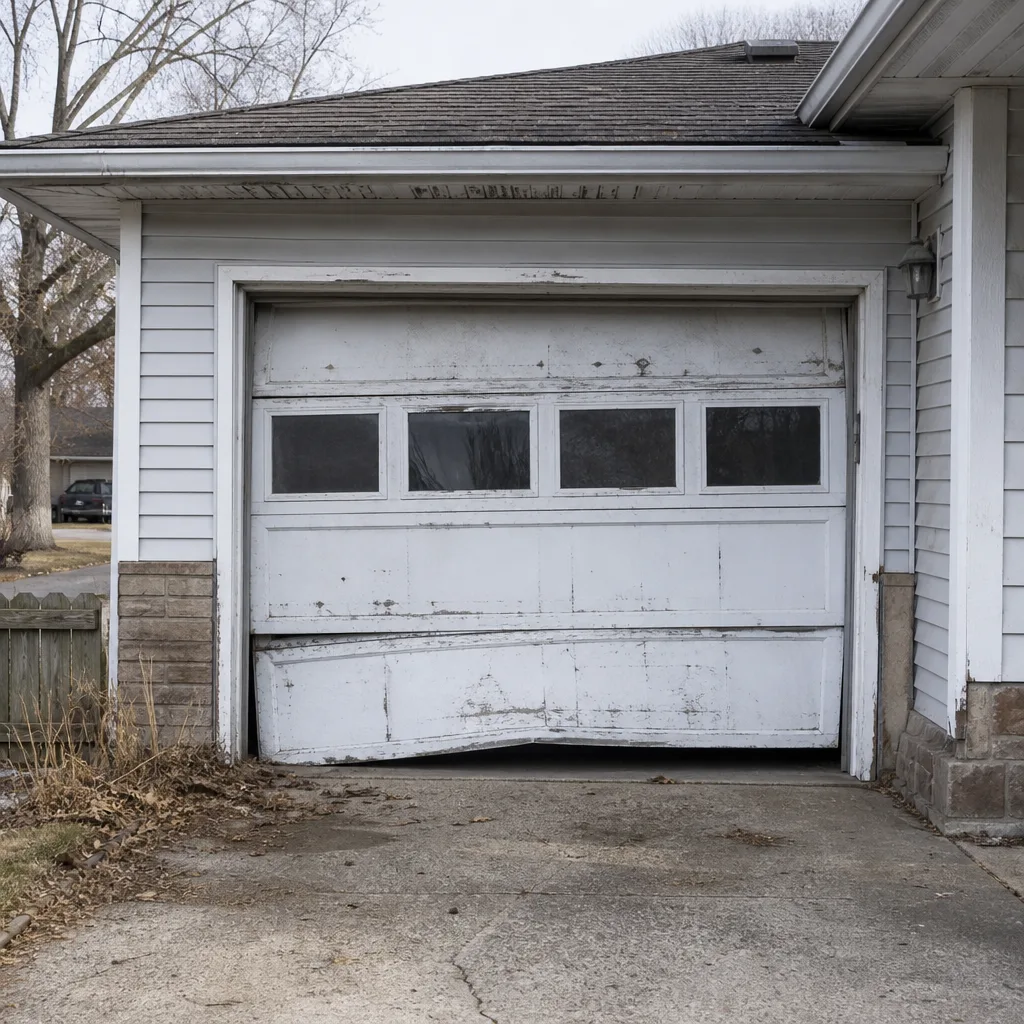 Before
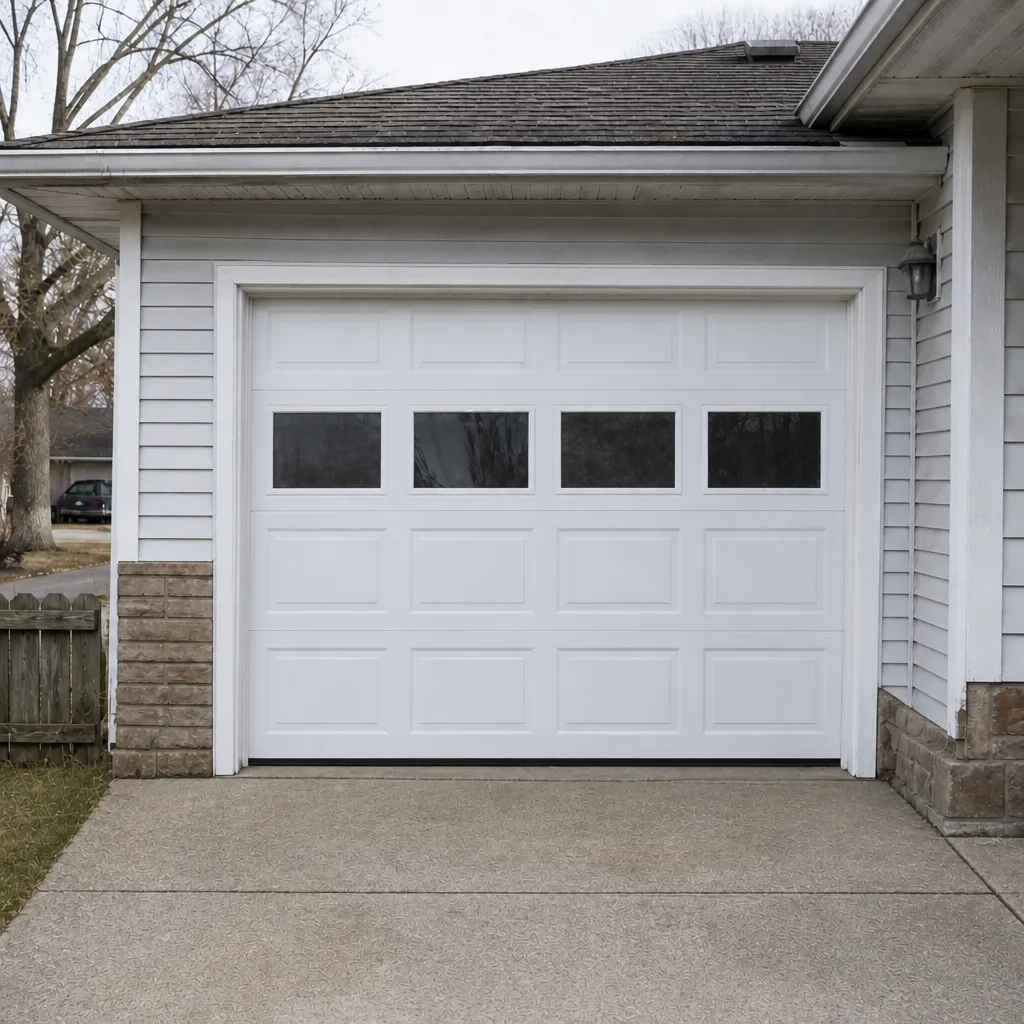 After
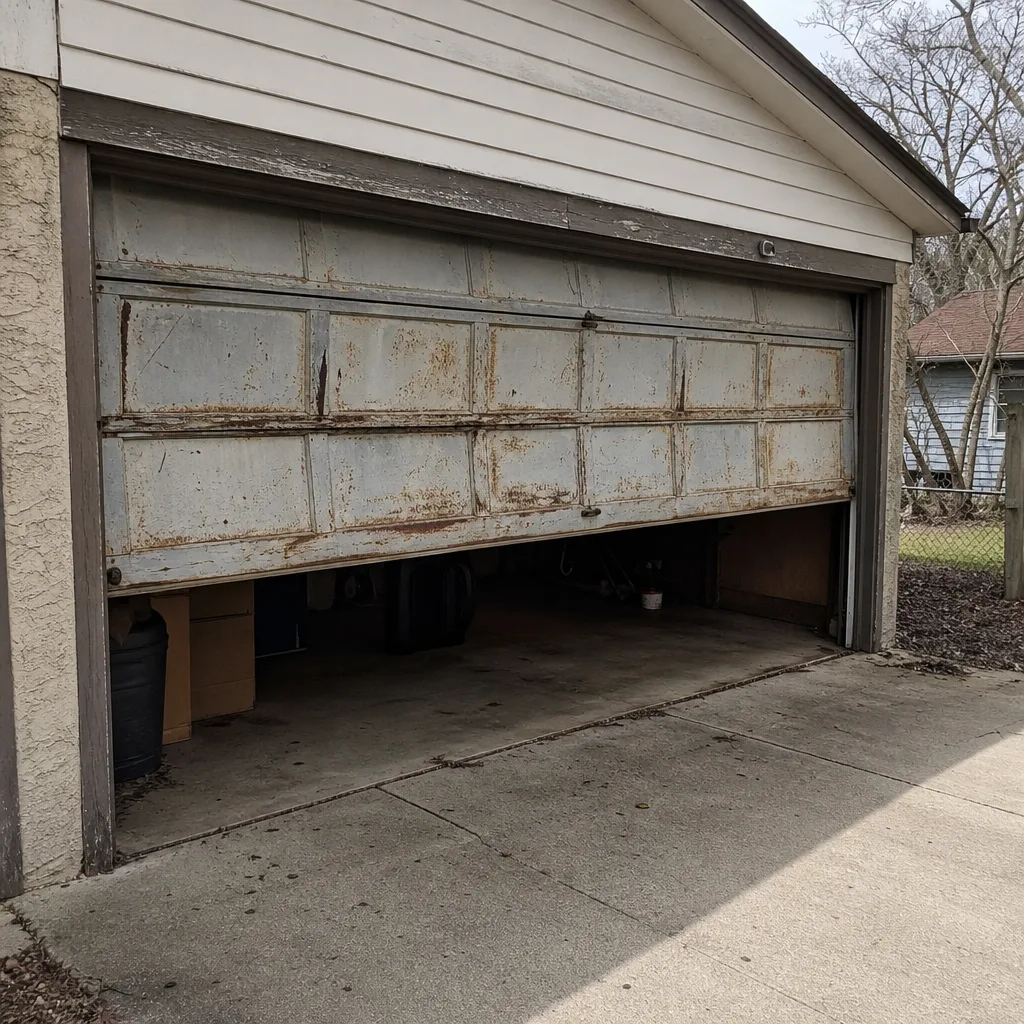 Before
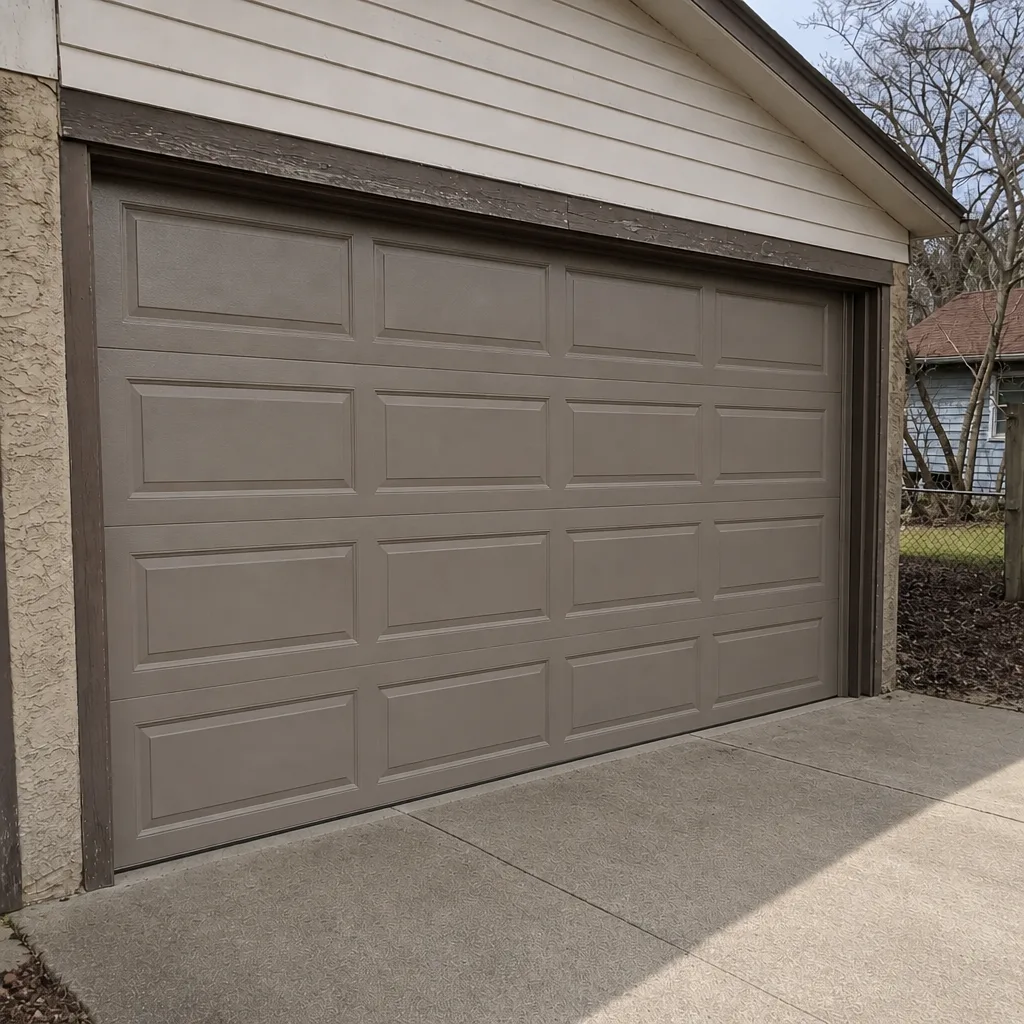 After
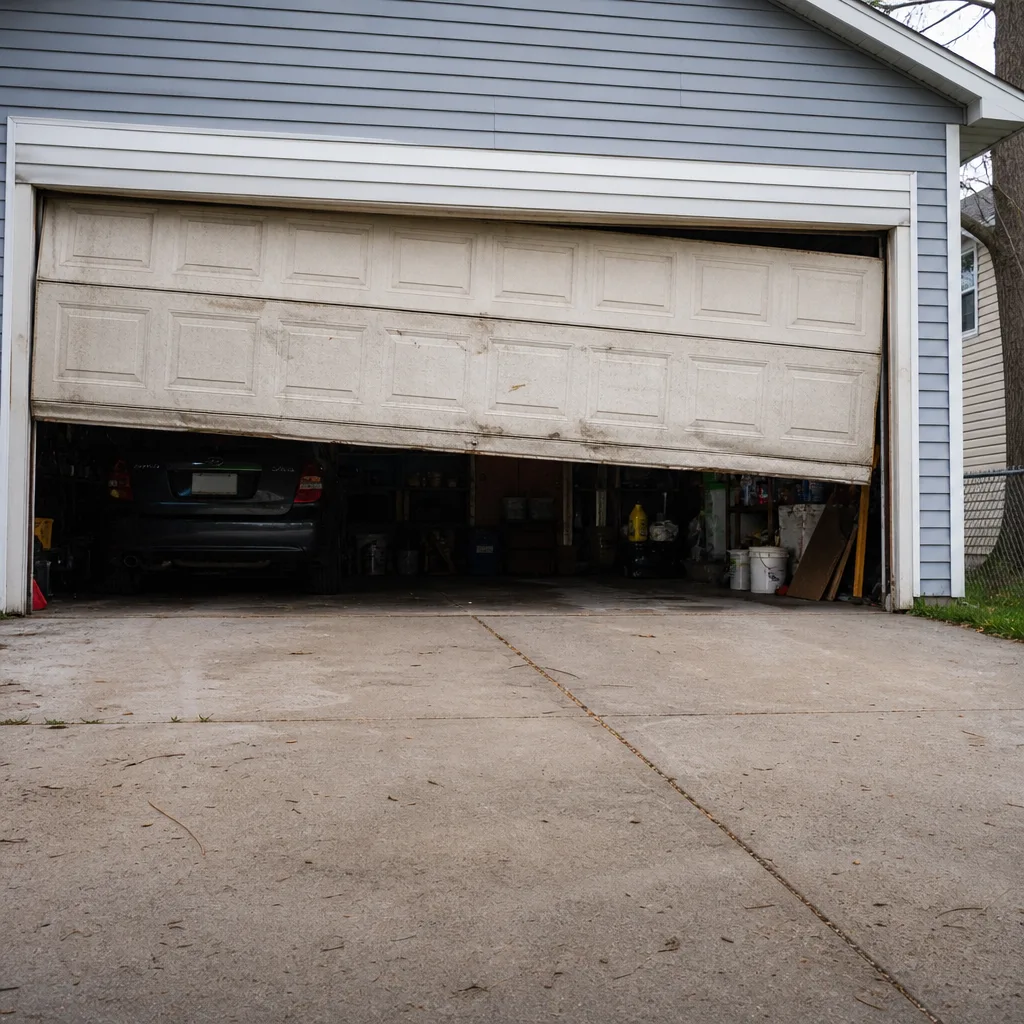 Before
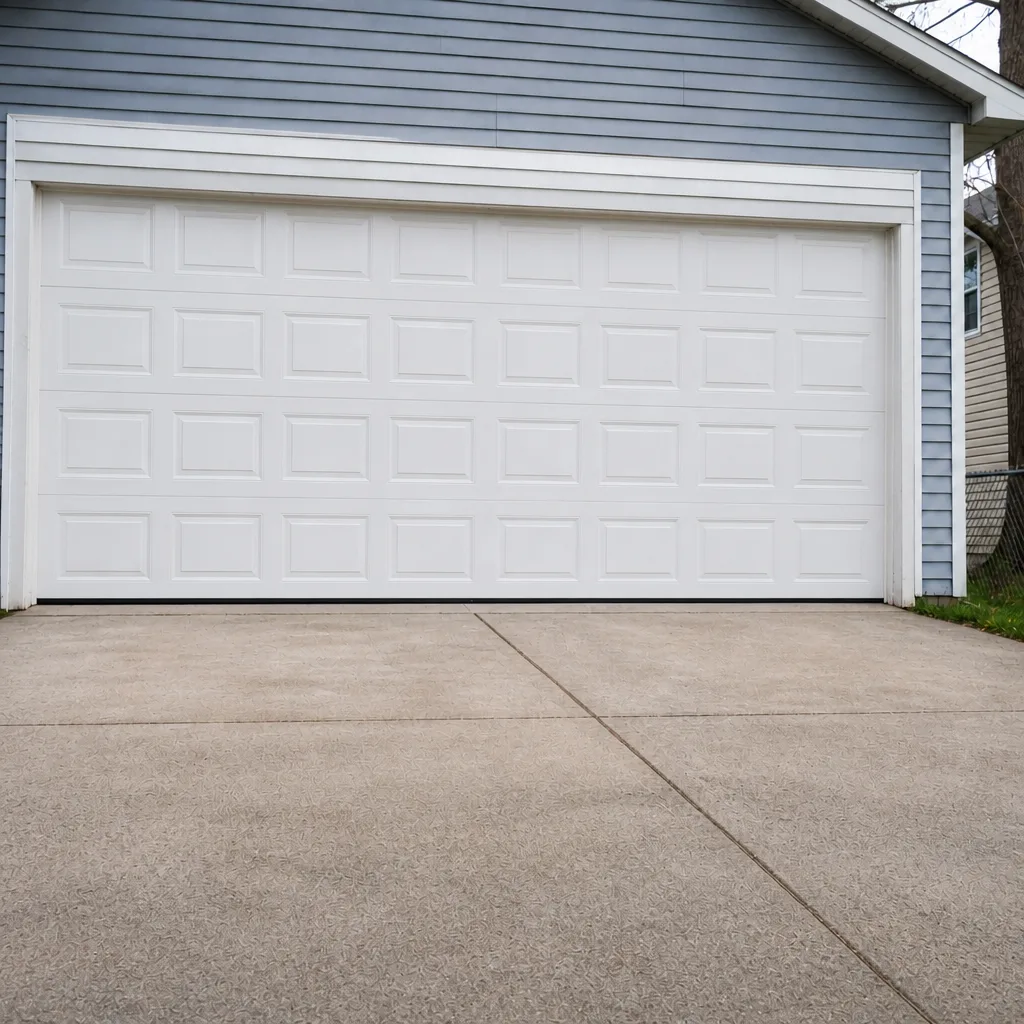 After
Frequently Asked Questions
The best time is early October, before the first hard frost, and again in April after the thaw. Fall is when spring and seal issues need to be caught, and spring is when frost heave has moved the tracks and you need an inspection. Call (888) 270-3708 for a free estimate – we can schedule a seasonal check that fits your door’s needs.
Release the opener with the release cord, then use a plastic scraper or rubber mallet to break the ice around the bottom seal gently – never a metal tool, and never force the door. Once the seal is loose, lift the door by hand a few inches to confirm it moves before re-engaging the opener. If it still won’t move, call (888) 270-3708; estimates are free.
Yes. Summer lubricants can gum up in subzero temperatures, so a cold-rated garage door lubricant or low-temperature lithium grease should go on hinges, rollers, and springs before winter. Use a garage door-specific product – not WD-40, motor oil, or cooking oil. Our technicians can recommend the right lubricant for your door’s brand, and estimates are free. Call (888) 270-3708.
Humidity swells wood and composite door panels, which changes the door’s weight and balance point. The opener compensates, but it works harder, and the strain accelerates motor and gear wear. A hand-operation balance test in June will tell you if the door has shifted. If it has, a spring adjustment or opener limit adjustment will fix it. Call (888) 270-3708 for a free estimate.
Stand inside the garage and sight down each vertical track – it should be straight from floor to header. Look for visible bowing, rollers popping out of the track, or new cracks near the anchor bolts at the base plates. If you see movement, don’t wait until the door stops working; call (888) 270-3708. Estimates are free.
We work with state-licensed, insured and bonded independent local professionals, and our technicians have up to 8 years of experience with the major garage door and opener brands. The price is set by the written estimate before any work starts, so there are no surprises. Call (888) 270-3708 for a free estimate.
Yes. A stuck door in winter is usually a frozen seal, a failed torsion spring, or an opener that can’t handle the cold temperature. We answer 24/7, and fast dispatch runs from 7am to 7pm, Sunday through Friday; we’re closed Saturday. A call outside dispatch hours is booked into the next opening. Call (888) 270-3708 for a same-day repair estimate.
The Bottom Line
St. Paul’s four seasons each create their own garage door problems, and the right maintenance task changes with the weather. Fall is for spring tension and seal checks before the freeze. Winter is for freeze-care and not forcing the door. Spring is for track and slab inspection after the thaw. Summer is for balance checks as humidity changes the door’s weight. A calendar built around Minnesota’s actual season timing, not a generic one, prevents most of the expensive failures we see. Whether it’s the door, the opener, or both, a brand-agnostic specialist can repair what you already have.
Contact
Getting ahead of seasonal wear is the cheapest repair you’ll ever make. Call (888) 270-3708 for a free estimate in St. Paul, and let our team take a look at your door before the season turns. We answer 24/7. Fast dispatch from 7am to 7pm, Sunday through Friday; we’re closed Saturday.
Written by the team at Harvest Garage Door Repair.