
Last updated November 15, 2026
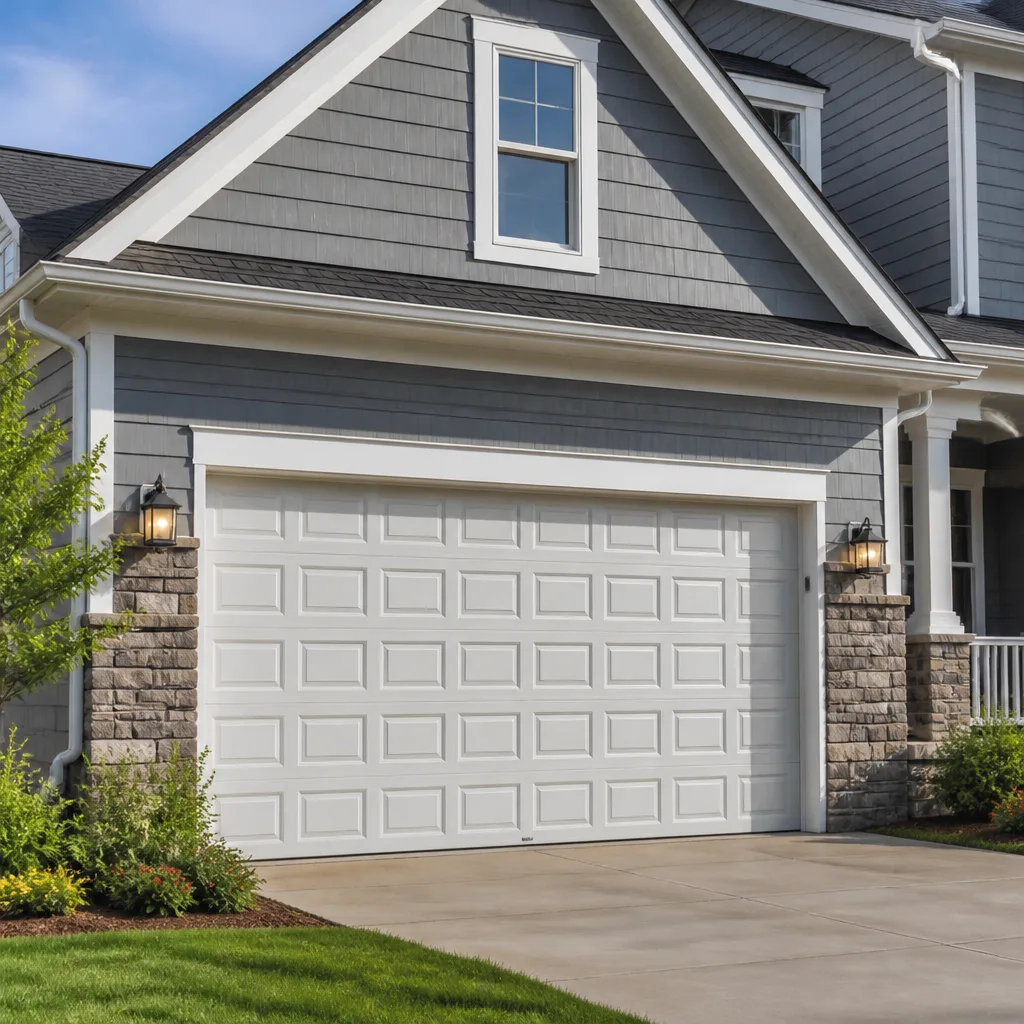 Raised-panel steel
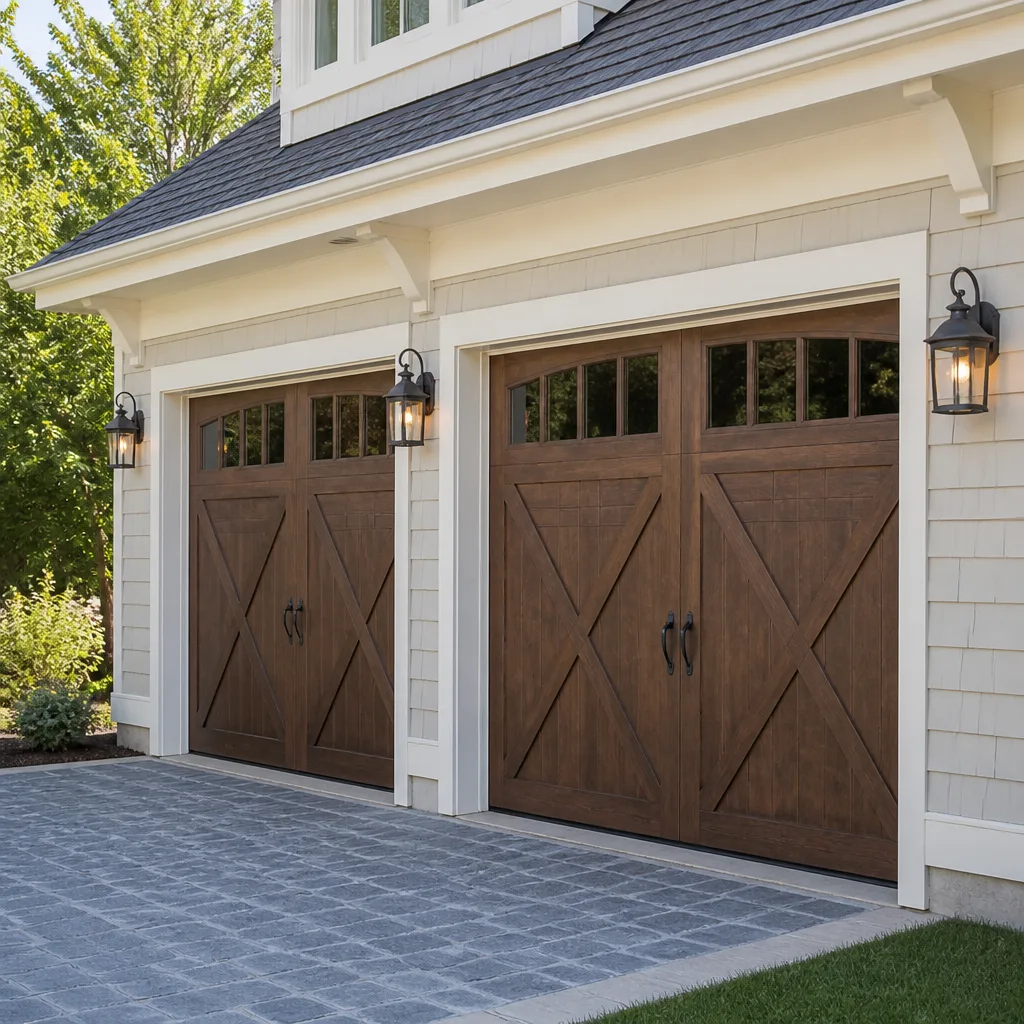 Carriage house
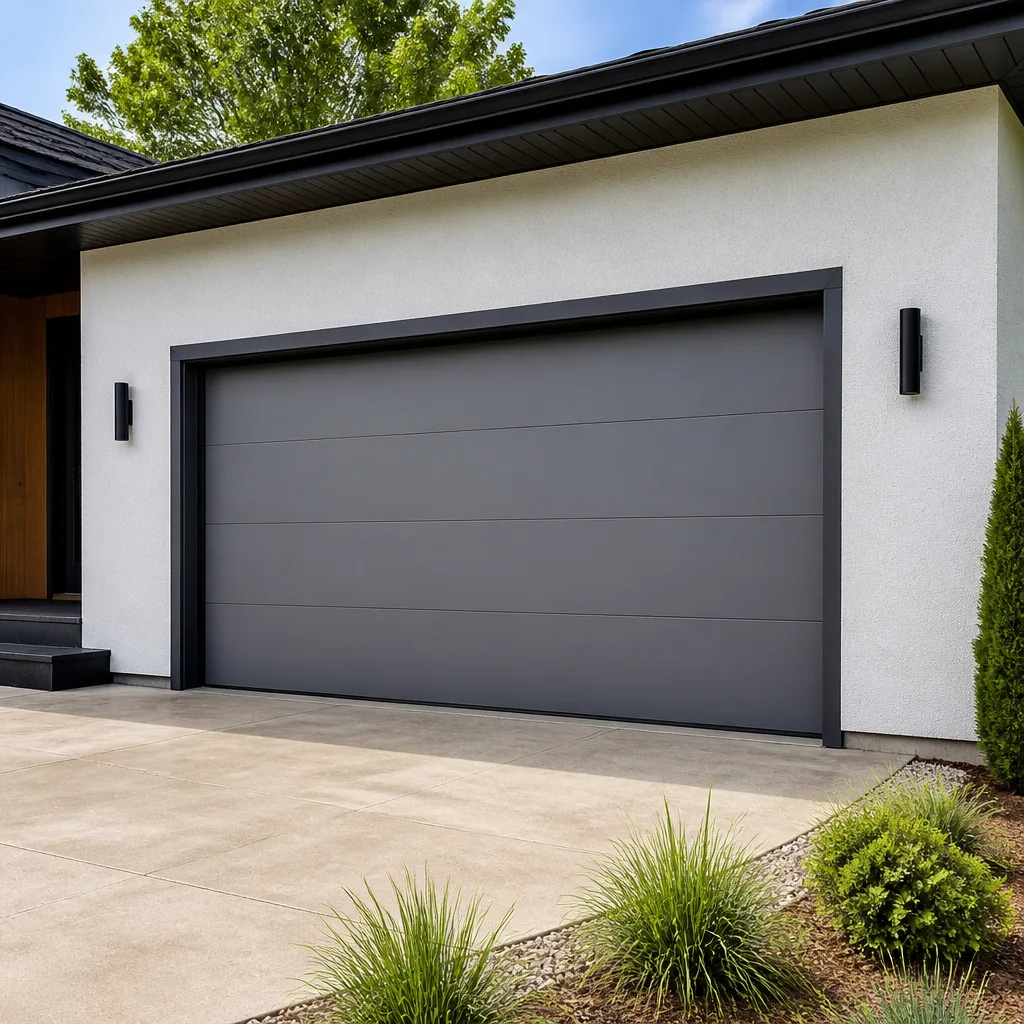 Modern flush
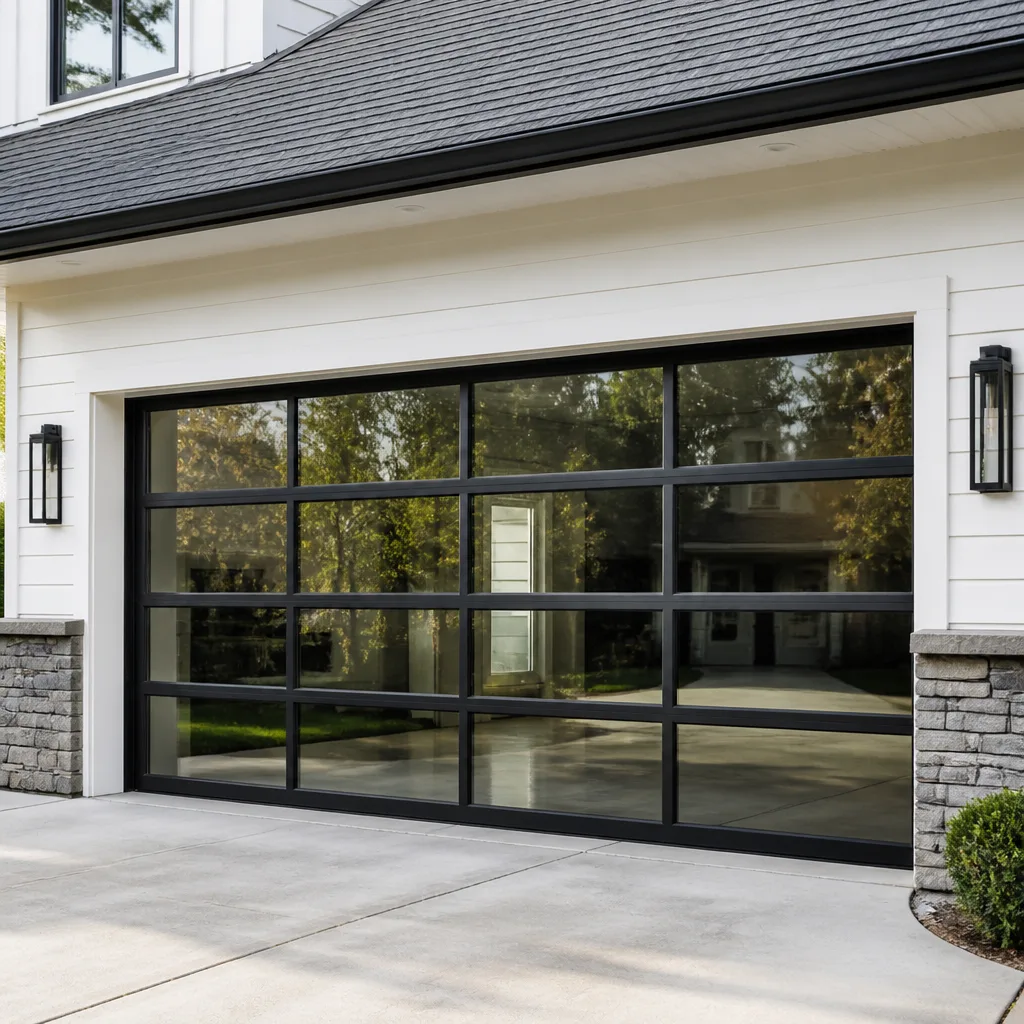 Full-view glass
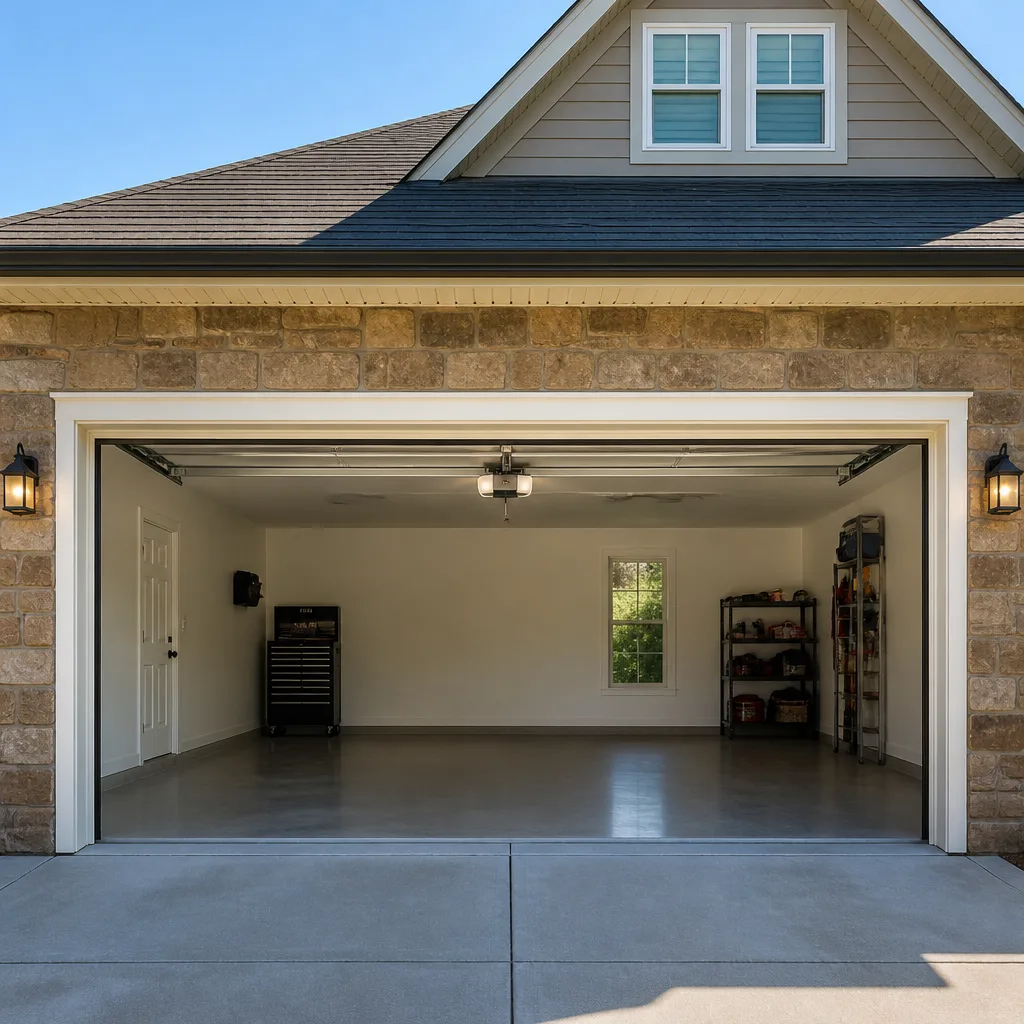 LiftMaster openers
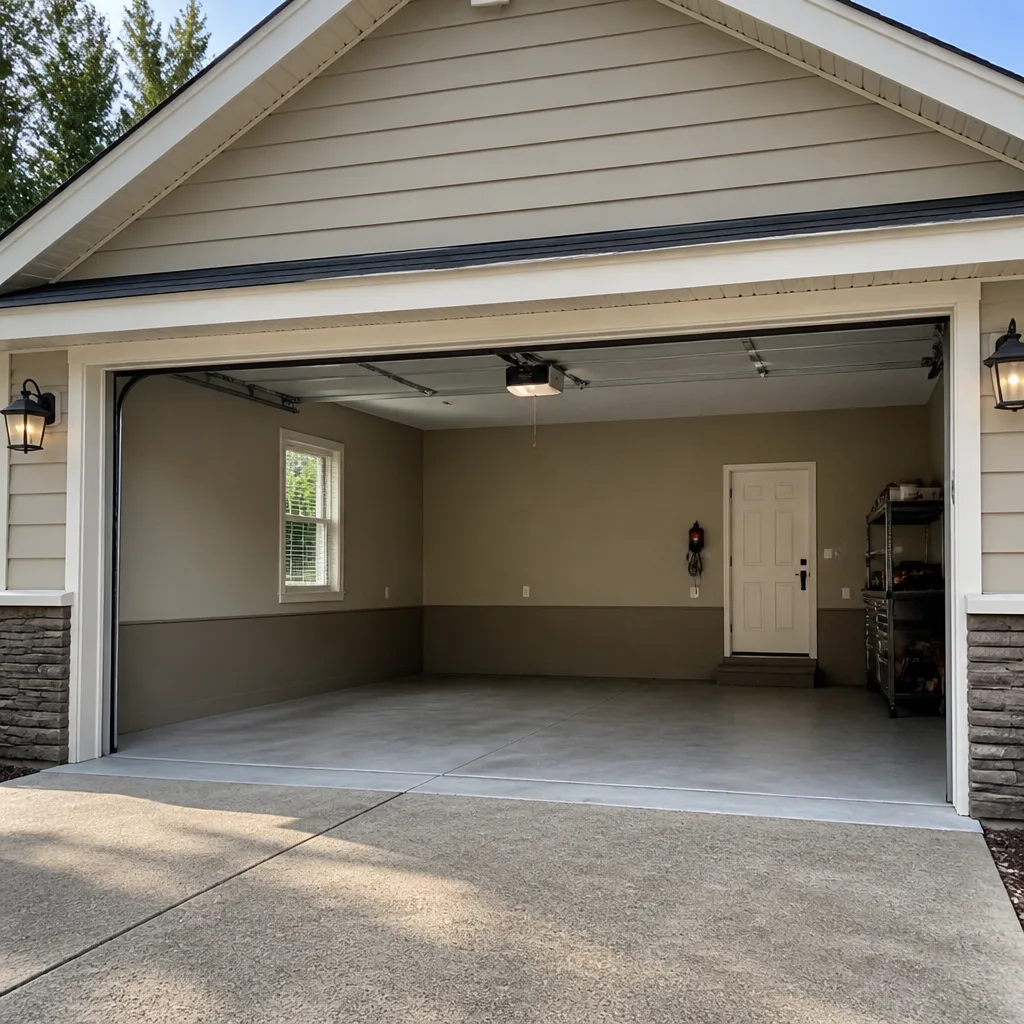 Chamberlain openers
Full 25-point door and opener safety check with every visit - springs, cables, rollers, tracks, and your LiftMaster or Chamberlain opener included
You get a price before we start. It does not change when the pro arrives.
Get your free estimateChoosing the Right Garage Door Brand: A Buyer’s Guide for St. Paul
Most “best garage door brand” lists are written for a country that doesn’t have our winters. They rank brands on color palettes and national ad budgets, then leave you to discover the rest in February. Here’s the part that surprises people: three of the most heavily marketed garage door brands in the U.S. draw their springs, rollers, and hinges from the same small pool of hardware makers. So a lot of the agonizing over which name goes on the door really comes down to panel paint quality, insulation construction, and the fine print in the warranty. In this guide we’ll walk through how the major brands actually hold up in St. Paul’s freeze-and-thaw cycle, which insulation builds matter more than the R-value on the sticker, and how to check parts availability before you sign. You’ll finish knowing how to judge a door on the things that fail here, not the things that photograph well.
Quick Answer
For St. Paul, the right garage door brand is the one whose panel finish, insulation build, and hardware supply chain survive repeated freeze-thaw cycling, and that usually means Clopay or Amarr for insulated steel doors, with Wayne Dalton, CHI, and Doorlink as solid alternatives depending on budget and style. On the opener side, LiftMaster, Chamberlain, and Genie cover nearly every home in the city. Brand matters less than how the door is specified, installed, and supported locally. The written estimate should name the model, the insulation type, and the warranty terms before any work starts.
Styles & brands we work with
- Raised-panel steel
- Carriage house
- Modern flush
- Full-view glass
- LiftMaster openers
- Chamberlain openers
Table of Contents
- Why St. Paul’s Climate Changes the Brand Question
- Insulation Construction Beats R-Value Marketing
- Hardware Sourcing: What “Manufacturer-Branded” Really Means
- Warranty Reality in a Cold Climate
- How to Check Local Parts Availability
- The Eight Brands We Work On, Assessed Honestly
- A Step-by-Step Way to Evaluate Any Brand
- Common Mistakes to Avoid
Why St. Paul’s Climate Changes the Brand Question
St. Paul runs a door through more thermal cycling in one winter than a mild-climate city sees in several. A south-facing door can sit in direct sun at midday and drop well below freezing after dark, and that swing happens over and over from November through March. Metal expands and contracts with each swing. Paint film flexes with it. Springs and hinges take the same ride. That repeated cycling, more than any single cold snap, is what separates a door that lasts from one that starts looking tired in a few years.
What this means for brand choice is straightforward: the components that tolerate cycling well are the ones worth paying for. That’s a heavier-gauge steel panel with a properly baked-on finish, hardware with real corrosion protection, and insulation that doesn’t absorb moisture. Brands that build to a national average climate don’t always prioritize these, because in most of the country they don’t have to.
St. Paul’s housing stock adds another layer. The city has everything from early-1900s homes in the Como and Merriam Park neighborhoods to newer construction out toward Highland Park, and door openings vary widely in size and headroom. A brand that only catalogs a narrow range of standard sizes will leave you with fewer options when the opening is odd. When we quote a door in St. Paul, we look at the actual opening and the exposure of the wall before we look at swatch books.
Insulation Construction Beats R-Value Marketing
Every premium door brochure leads with an R-value number. Ignore it for a minute and look at how the insulation is built instead. There are two main constructions, and they behave very differently here.
- Polyurethane injection: Foam is injected into the panel and cures into a dense, rigid core that bonds to the steel skin. It resists moisture uptake well and holds its shape through temperature swings. This is what most premium Clopay and Amarr insulated doors use.
- Polystyrene backer: A foam board is set behind the steel face. It insulates fine on paper, but it can allow more flex in the panel and can be fussier about moisture over time. Common in value-priced doors, including many Wayne Dalton and Doorlink models.
In our experience, the injected-polyurethane doors hold their finish and their panel rigidity through St. Paul winters noticeably better than the backer-board doors, even when the R-values printed on the literature sit close together. The R-value tells you about heat flow. The construction tells you about how the door will look and feel after several seasons of cycling. Those are different questions, and the second one is the one you’ll actually notice.
There’s also a structural point. A rigid core stiffens the whole panel, which reduces the flex that eventually shows up as paint cracking along panel seams. If a door on a sunny St. Paul wall is going to develop finish problems, that’s usually where it starts. So insulation isn’t just about a warmer garage. It’s part of the door’s durability.
Hardware Sourcing: What “Manufacturer-Branded” Really Means
Here’s the part that rarely makes it into brand comparisons. The springs, rollers, hinges, and cables on many branded doors aren’t made by the door brand at all. They come from a handful of hardware manufacturers that supply the whole industry. A “Clopay spring” or a “Wayne Dalton roller” is often a common industry part with the brand’s name on the packaging.
That’s not a knock on anyone. It’s actually good news for a homeowner in St. Paul, because it means replacement hardware is widely available. But it does change how you should think about brand choice. If the mechanical parts are largely shared, then the meaningful differences between brands come down to:
- Panel steel and finish. Gauge, galvanizing, and paint adhesion vary, and this is where cycling takes its toll.
- Insulation construction. Covered above, and it’s the biggest real differentiator.
- Warranty language. The terms, not the headline length.
- Parts availability. Not nationally, but within reach of St. Paul.
This is also why we’re brand-agnostic. We work on the brand you already have, and we can source common hardware for most of them without forcing you into a replacement because a technician only supports one line. If your door needs garage door repair, that flexibility matters more than which logo is on the panel.
Warranty Reality in a Cold Climate
Warranty length is a marketing number. What matters is how much of your situation the terms actually cover. Read the exclusions before you compare the years.
The most common exclusions that catch cold-climate homeowners involve finish and paint. Many warranties cover the finish against peeling or cracking, but some exclude damage attributed to weather exposure, salt, or lack of maintenance. In St. Paul, where doors face sun on one side and freeze on the other, finish claims can get argued over. The brands with clearer, more generous finish language tend to hold up better in practice than brands with longer headline terms and broader exclusions.
Springs are usually excluded or covered on a much shorter term than the door, which makes sense given they’re a wear part. The warranty term on the door shell and the term on the hardware are separate numbers, and you should ask for both. Ask directly what voids coverage in this climate. A warranty that swallows our winters on a technicality is worth less than a shorter one that doesn’t.
One last point: installation quality affects warranty claims. A door installed out of square or with the wrong torsion setting can fail in ways a manufacturer will rightly call an installation issue. That’s why the company doing the work matters as much as the brand on the box.
How to Check Local Parts Availability
A ten-year warranty means nothing if the nearest parts depot is a state away and your door is stuck open in January. Before you commit to a brand, do a little homework on where its parts actually live.
- Ask the installer where they get parts. A garage door specialist in St. Paul should be able to tell you which suppliers they use and how quickly common parts arrive.
- Check the brand’s distributor footprint in the Upper Midwest. Brands with regional distribution near the Twin Cities get you back up and running faster than brands shipping from national warehouses.
- Confirm the model-specific parts. Panels and certain opener components are model-specific. Ask whether those are stocked regionally or built to order, because build-to-order can mean a wait.
- Ask about common wear parts. Springs, rollers, and hinges are broadly available. Torsion springs are sized to the door, so verify a shop can match the size locally.
In our experience the brands most widely installed across St. Paul have the deepest local parts support, and that’s not a coincidence. Wide installation creates demand that keeps distributors stocked. That’s a practical argument for sticking with a common brand over an exotic one, even if the exotic door looks better in the catalog.
The Eight Brands We Work On, Assessed Honestly
We service equipment from eight of the most widely installed door and opener brands, and we diagnose and repair what’s on the home rather than steering you toward what’s easiest for us. Here’s a plain assessment for a Minnesota climate.
Doors
- Clopay: Strong insulated steel doors with injected polyurethane cores on premium lines. Finish holds up well through cycling, and the model range is wide enough to fit most St. Paul openings.
- Amarr: Comparable insulation construction on its better lines, with competitive finish warranties. A solid choice for a mid-to-upper insulated door.
- Wayne Dalton: Broad lineup from value doors to insulated models. The value end leans on polystyrene backers, so weigh that against the price.
- CHI: Overhead door brand with good steel builds and a range of insulated options. Worth a look alongside the bigger names.
- Doorlink: Often a value pick. Spec the insulation construction carefully if you’re choosing an entry-level model for a cold-climate wall.
Openers
- LiftMaster and Chamberlain: Belt and chain drives with mature smart-home integration and broad local parts support. The most common openers we see, and easy to service.
- Genie: Reliable drive systems with good parts availability. Covers plenty of St. Paul homes on its own.
Notice we didn’t rank these by ad spend. On the doors, the differentiators are insulation and finish, not mechanical secrets. On the openers, all three are serviceable and all three are supported locally. It’s when an opener fails that focus pays off, and that’s why we treat garage door opener repair as its own service line.
A Step-by-Step Way to Evaluate Any Brand
You don’t need to become a door expert. You need a repeatable way to compare brands on the things that matter in St. Paul. Here’s the process we walk homeowners through.
- Start with the opening, not the catalog. Measure the opening and note headroom and side clearance. A brand that fits your opening well beats a favorite brand that needs a custom order.
- Match insulation to the wall. An attached, heated garage gets more from an injected-polyurethane door. A detached, unheated garage can use a value door without much downside.
- Read the finish warranty terms. Compare exclusions, not just years. Ask what voids finish coverage in a cold climate.
- Check parts availability near the Twin Cities. Ask which suppliers serve the brand regionally and how fast common parts arrive.
- Confirm the hardware brand and size. Springs are sized to the door. Make sure the installer matches them and can source replacements locally.
- Get a written estimate that names everything. Model, insulation type, hardware, opener model, warranty terms, and the final price. The written estimate sets the price, and nothing should change it once work starts.
Follow those six steps and most of the brand noise falls away. What’s left is a door that fits, insulates appropriately, has supportable parts, and comes with terms you understand. That’s the real comparison, and it’s the same one we make when we quote a job in St. Paul.
What Does a Brand Upgrade Cost in St. Paul?
A brand or insulation upgrade on an installed door typically adds a modest amount to the door price rather than changing the whole job. Moving from a value steel door to an injected-polyurethane insulated door is the upgrade that pays back most in this climate. Exact numbers depend on size, style, and opener, so treat any figure as an estimate.
- Value steel door: lowest door cost, polystyrene backer, fewer insulated options.
- Insulated steel door, polyurethane core: higher door cost, better finish durability and rigidity.
- Premium insulated door with upgraded finish and hardware: highest door cost, longest finish warranty terms on the better lines.
- Opener upgrade: a separate line item, priced by model and drive type.
We don’t quote ranges over the phone for a new door, because the opening, size, and style drive the number. The written estimate sets the final price, and you’ll have it before any work is scheduled. If you want to know what your specific door and opener will cost, call (888) 270-3708 and we’ll set up a free measure.
Common Mistakes to Avoid
- Choosing a brand by R-value alone. The number on the sticker says less about durability than the insulation construction. Compare injected-polyurethane against polystyrene backer before you compare ratings.
- Assuming branded hardware is proprietary. Most springs and rollers come from shared industry suppliers, so parts are usually available. Ask what’s actually inside the door rather than paying a premium for a name on a common part.
- Ignoring warranty exclusion language. A long finish warranty with broad weather exclusions may not help after a St. Paul winter. Read the exclusions and ask what voids coverage here.
- Skipping the local parts check. A brand with no regional distribution can leave you waiting for a panel or opener part. Confirm that common and model-specific parts can be sourced near the Twin Cities.
- Specifying a door for a temperate climate. A build that works fine in a mild region can struggle with our cycling. Match the door to the exposure of the wall.
- Letting a single-brand dealer steer the diagnosis. If a technician only supports one line, you may hear “replace” when the repair is simple. Get a second opinion from a shop that services the brand you have.
- Accepting a verbal price. The written estimate is the price. Insist on one that names the model, insulation, hardware, and warranty terms before work starts.
See the difference
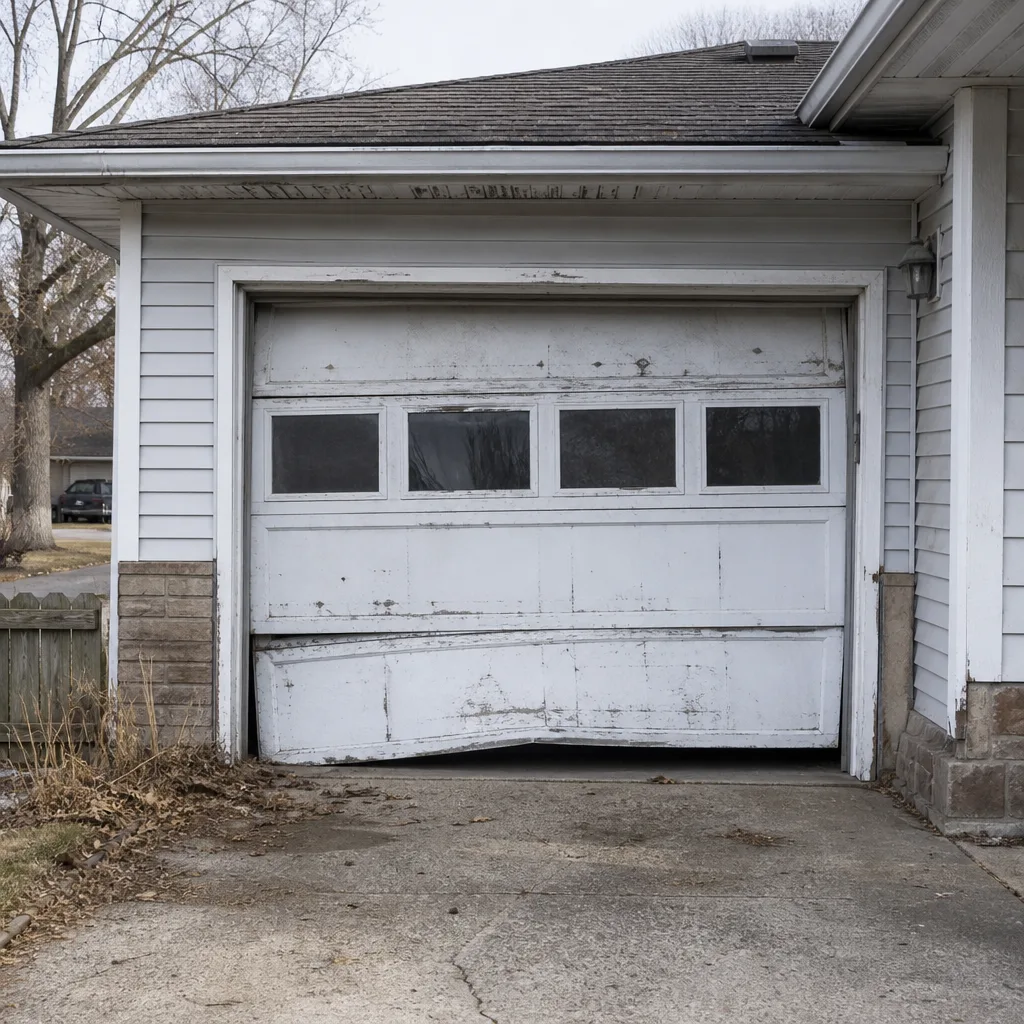 Before
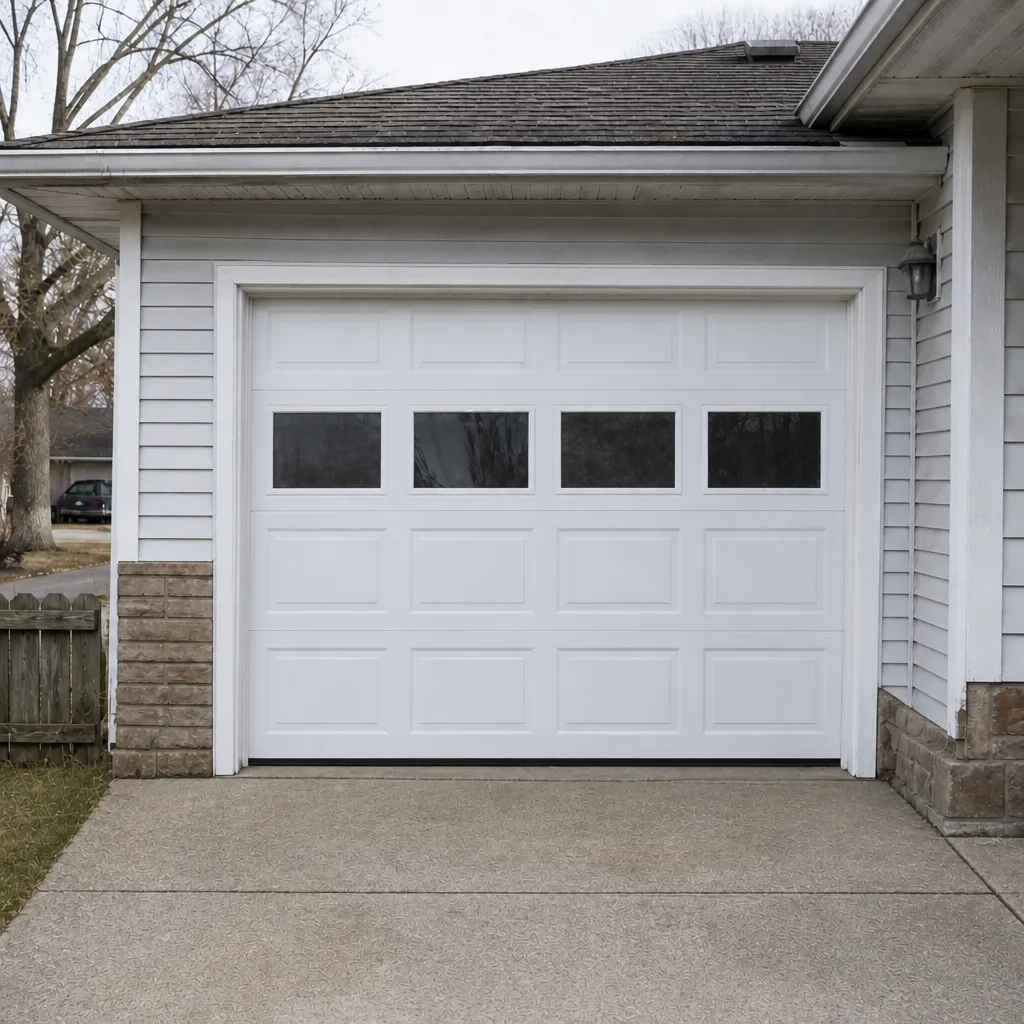 After
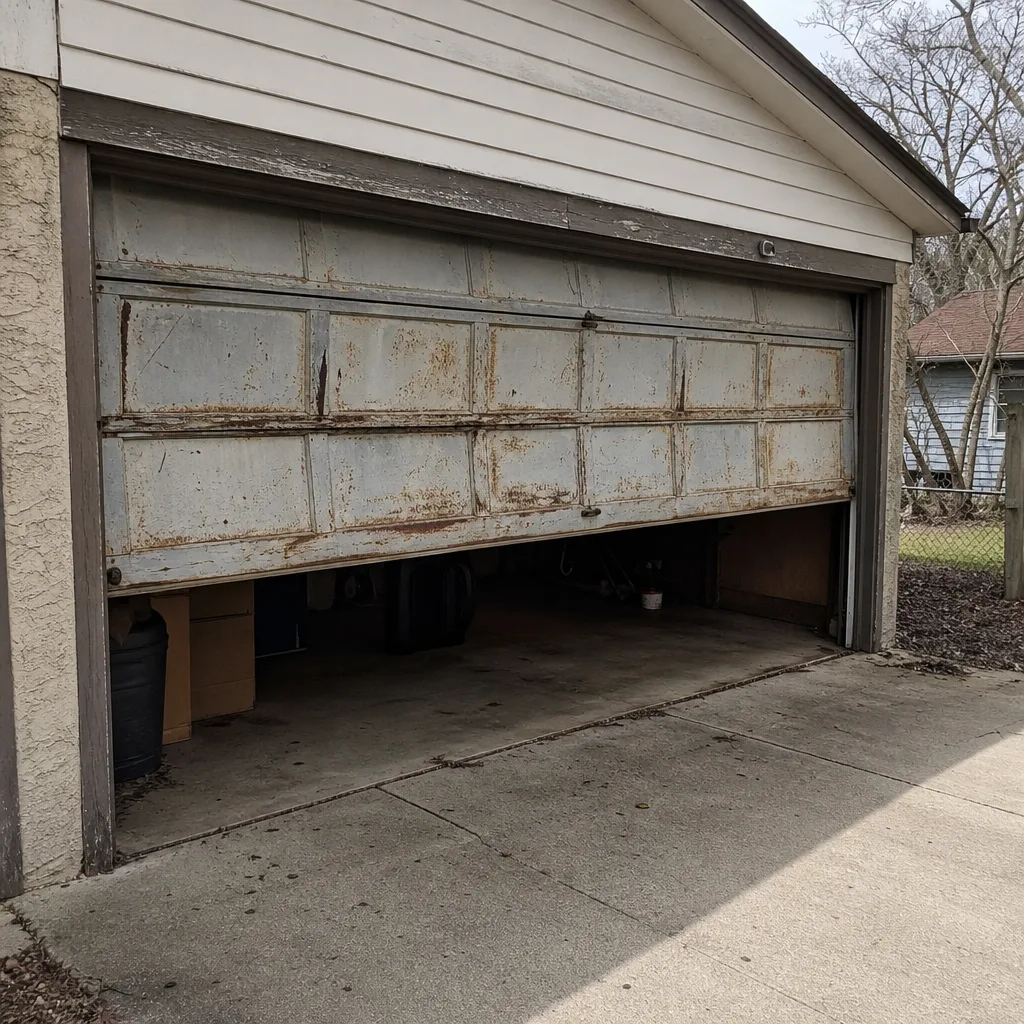 Before
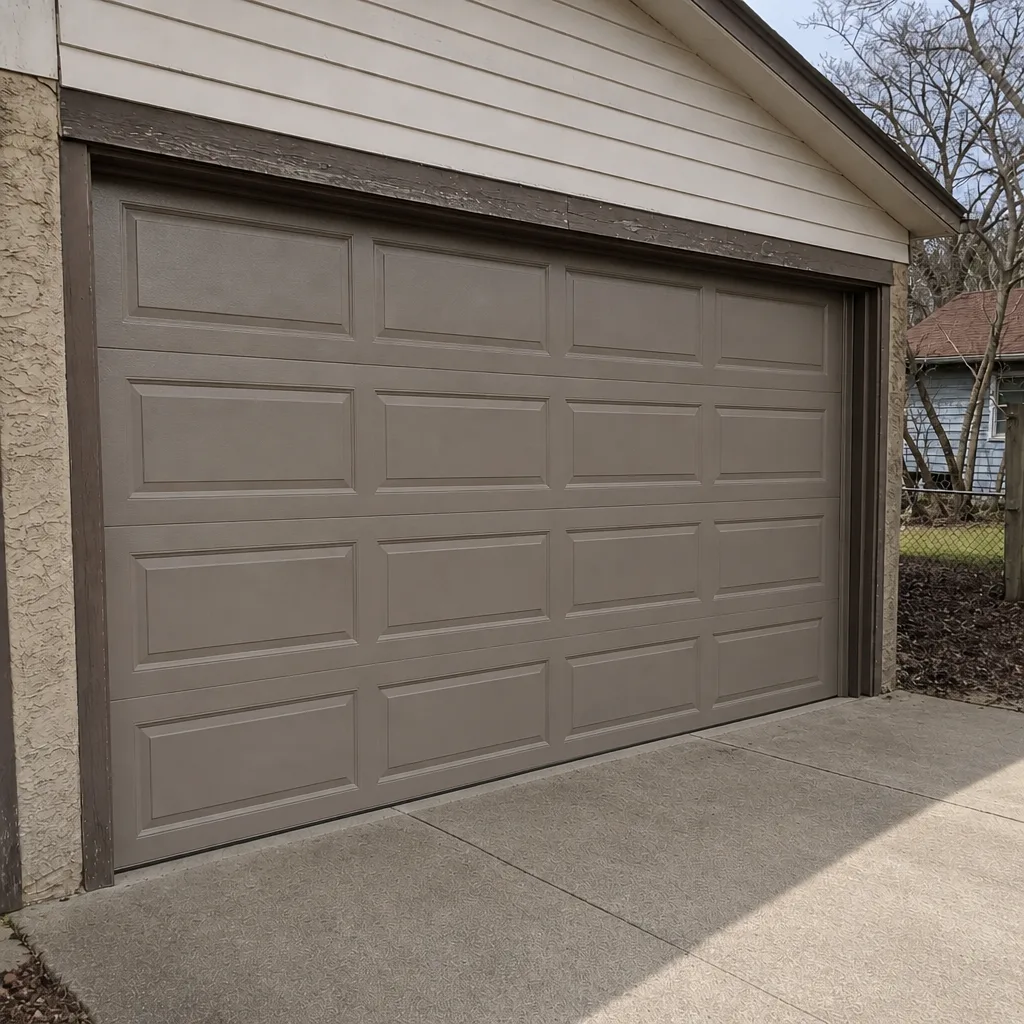 After
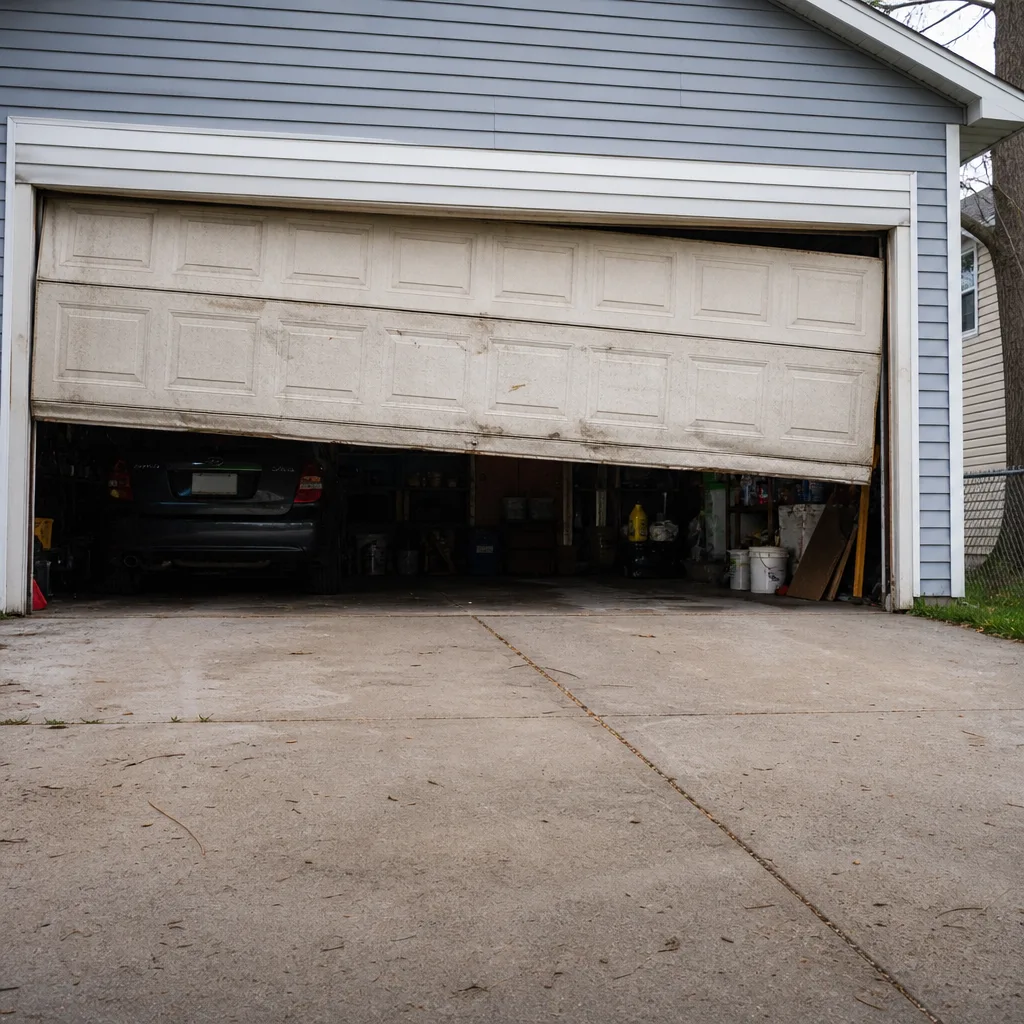 Before
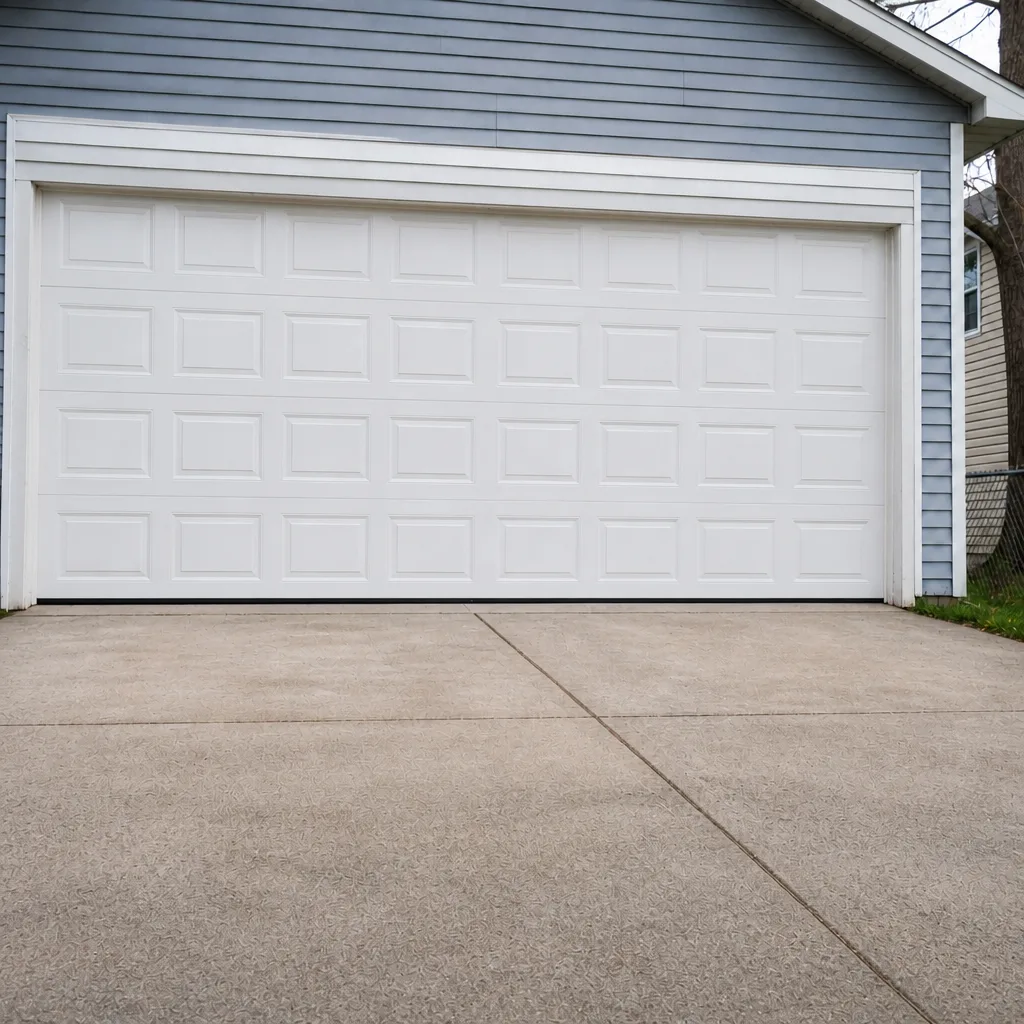 After
When to Call a Professional
Some things are worth a call. If your door has a broken torsion spring, a frayed cable, or won’t close evenly, stop and call a specialist. Torsion springs and cables store serious energy, and a wrong move can injure you, so leave them to a trained professional. The same goes for opener wiring and anything that involves adjusting the counterbalance. If your door won’t open or close on command, or the opener hums and does nothing, that’s an opener problem worth diagnosing properly rather than swapping parts on a guess. Harvest Garage Door Repair offers free estimates in St. Paul, and we work on the brand you already have. Call (888) 270-3708. We answer 24/7. Fast dispatch from 7am to 7pm, Sunday through Friday.
Frequently Asked Questions
There isn’t one single best brand; the right pick depends on your opening and insulation needs, but Clopay and Amarr are strong choices for insulated steel doors because their injected-polyurethane construction handles freeze-thaw cycling well. Wayne Dalton, CHI, and Doorlink are worth considering on budget. Call (888) 270-3708 for an exact quote, and estimates are free.
Insulation type matters more in St. Paul than the R-value on the sticker. Injected-polyurethane cores resist moisture and hold panel rigidity better through cycling than polystyrene backers, even when ratings sit close together. Ask what’s inside the door, not just the rating. Call (888) 270-3708 to talk through your options.
They’re usually common industry parts made by a small pool of hardware suppliers and packaged under a door brand’s name. That means replacement parts are broadly available, and the real brand differences are panel finish, insulation, and warranty terms. Call (888) 270-3708 if you want to know what’s on your door.
We service equipment from LiftMaster, Chamberlain, and Genie, along with the other brands we work on, so we repair the opener already on your home rather than pushing a replacement. If your door won’t open or close on command, that’s the most common opener failure we see. Call (888) 270-3708 and estimates are free.
Some do and some don’t; it depends on the exclusion language. Look for clear finish coverage without broad weather exclusions, and ask directly what voids coverage in a cold climate, because a long term with wide exclusions is worth less than a shorter, cleaner one. Call (888) 270-3708 for a quote.
For the brands most widely installed in St. Paul, yes, and common wear parts like springs, rollers, and hinges are broadly available. Model-specific panels and certain opener parts can take longer, so confirm availability before relying on a warranty. Call (888) 270-3708 for an exact quote.
The Bottom Line
Brand choice for a garage door in St. Paul is really a climate decision wearing a style decision’s clothes. The finish, the insulation construction, the warranty terms, and local parts availability matter more than which logo is on the panel. Clopay and Amarr are dependable insulated-steel picks, Wayne Dalton, CHI, and Doorlink fill out the field, and LiftMaster, Chamberlain, and Genie cover most openers in the city. Get a written estimate that names the model, insulation, hardware, and warranty, and confirm parts can be sourced locally. Do that, and you’ll get the right fix, not the easiest upsell. Whether it’s the door, the opener, or both, Harvest Garage Door Repair works on the brand you already have.
Ready to choose with confidence? Call (888) 270-3708 for a free estimate from Harvest Garage Door Repair. We answer 24/7. Fast dispatch from 7am to 7pm, Sunday through Friday. We’ll measure your opening, walk you through insulation and warranty terms, and give you a written price before any work starts. Our technicians have up to 8 years of experience on the door, the opener, or both, and we’ll have you back up and running.
Written by the team at Harvest Garage Door Repair.