
Last updated November 15, 2026
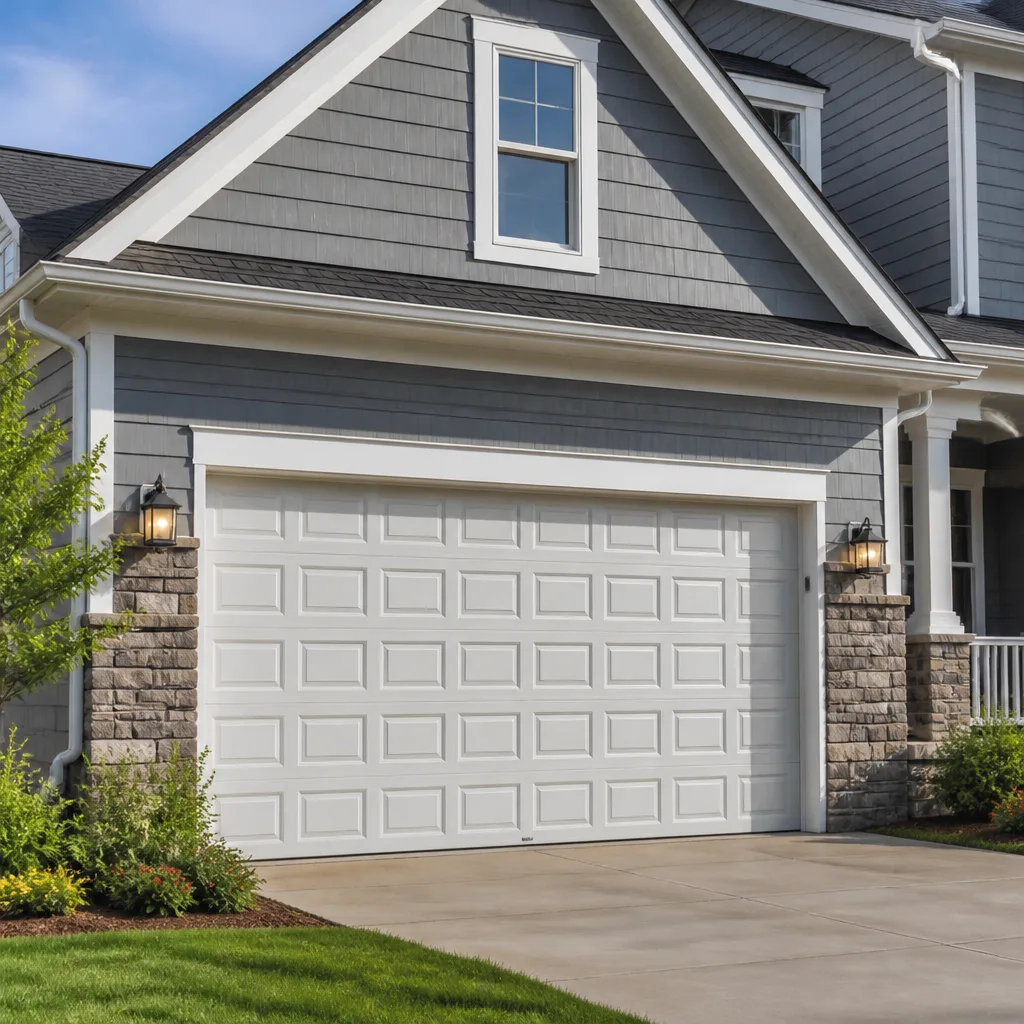 Raised-panel steel
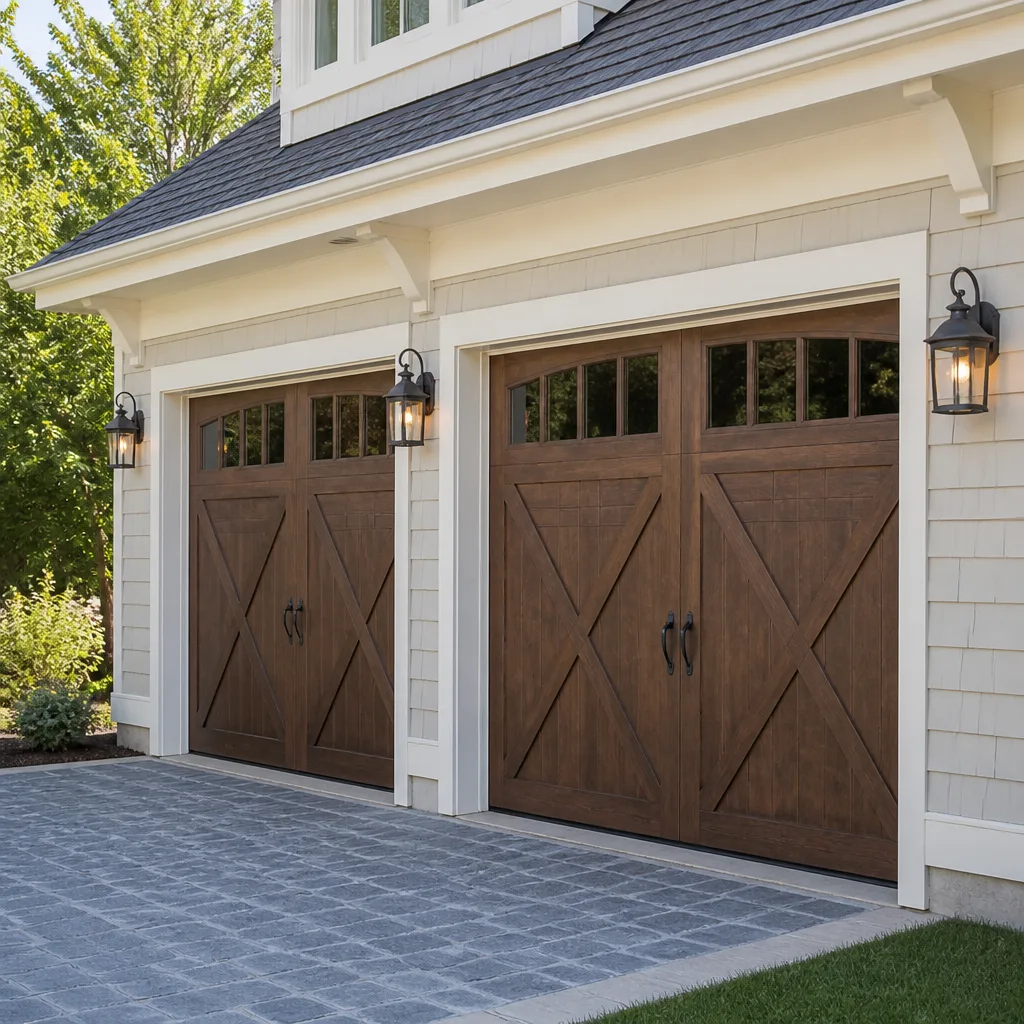 Carriage house
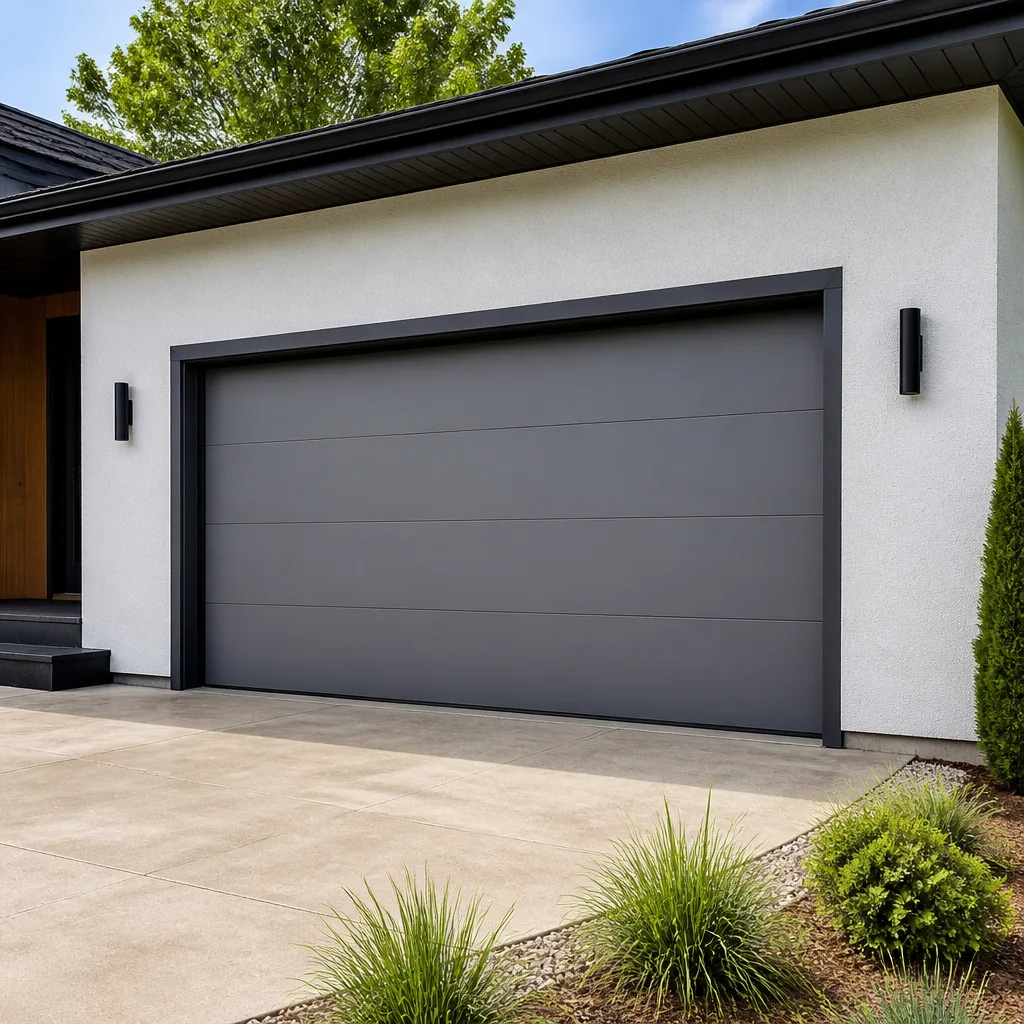 Modern flush
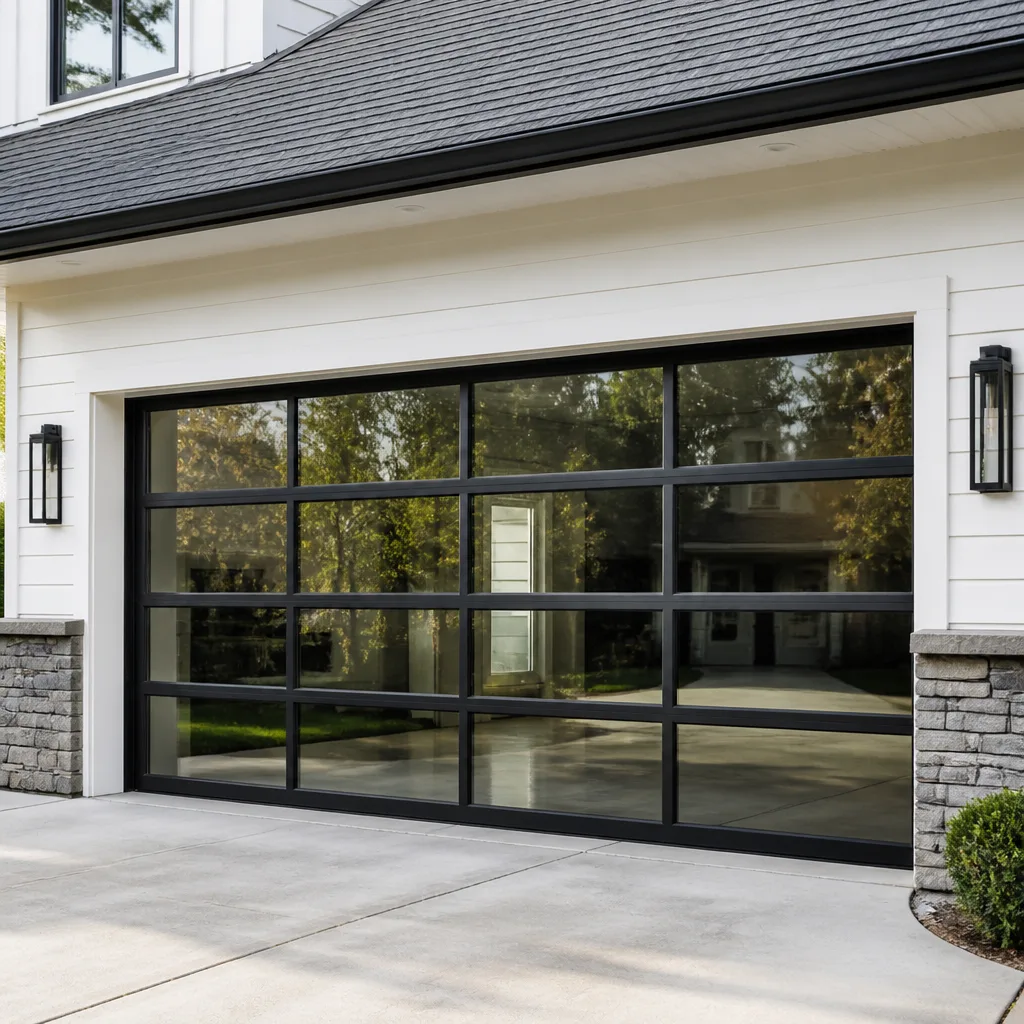 Full-view glass
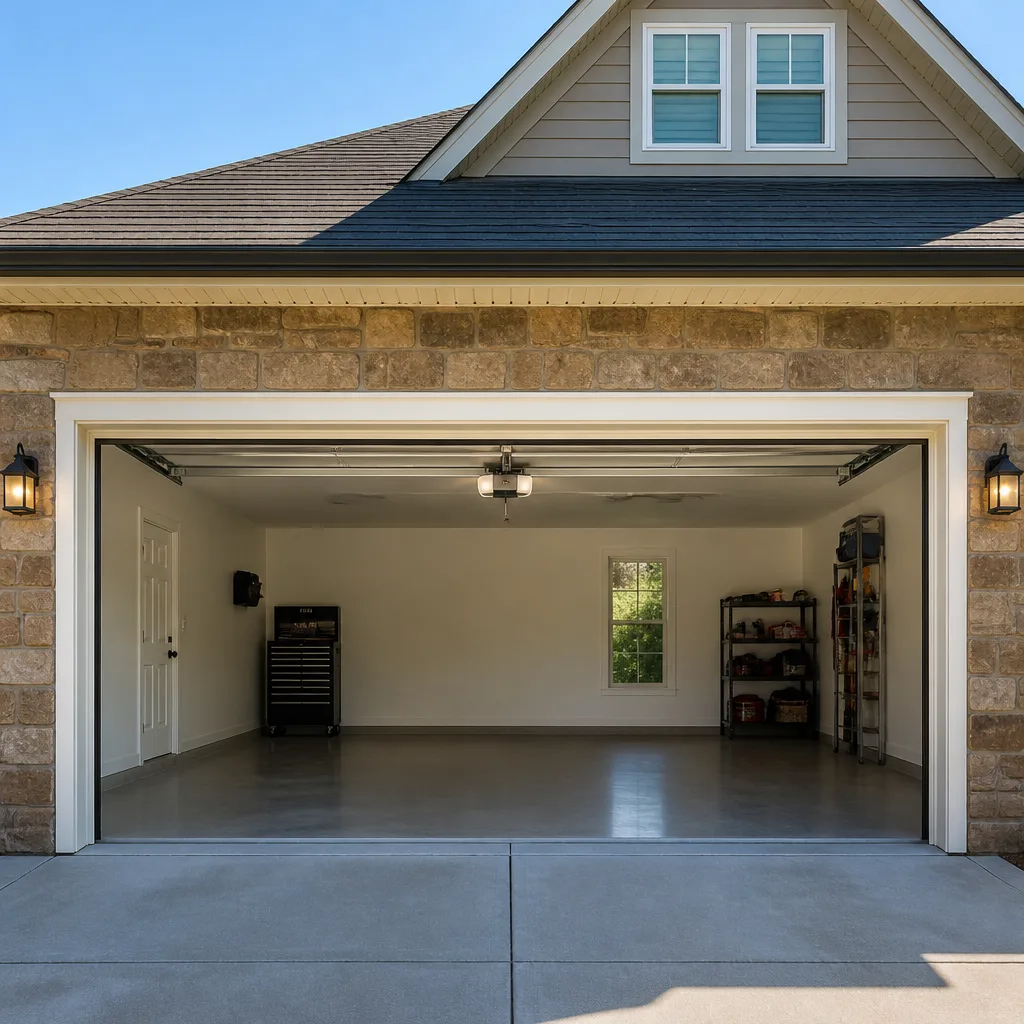 LiftMaster openers
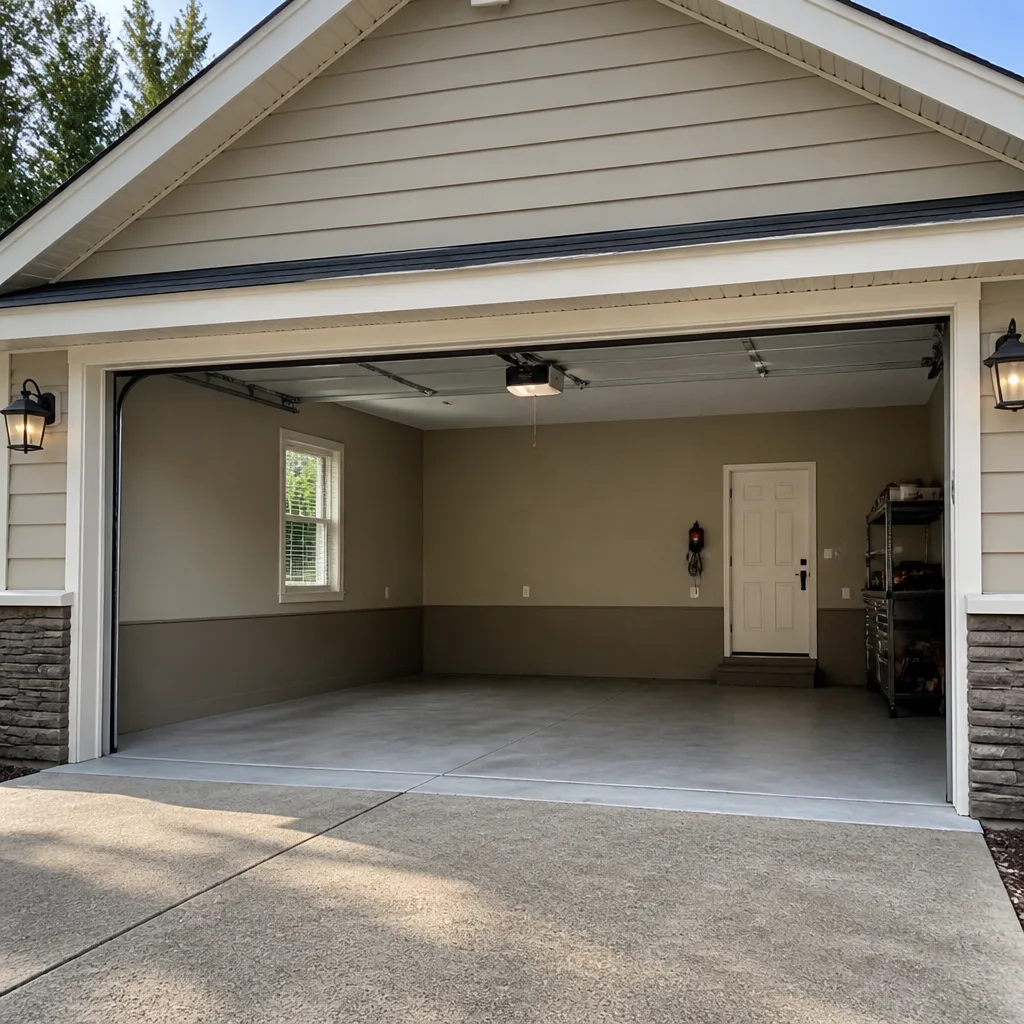 Chamberlain openers
Full 25-point door and opener safety check with every visit - springs, cables, rollers, tracks, and your LiftMaster or Chamberlain opener included
You get a price before we start. It does not change when the pro arrives.
Get your free estimateHow to Hire a Garage Door Contractor in St. Paul: A Step-by-Step Guide
Most homeowners in St. Paul think hiring a garage door contractor comes down to finding the lowest bid. It doesn’t. The real problem is figuring out who’s actually a garage door specialist and who’s a generalist wearing the label. HVAC companies, handymen, and single-brand dealers all market themselves as garage door experts, but few carry the cross-brand diagnostic depth a proper repair requires. A single-brand authorized dealer has a financial reason to tell you your LiftMaster opener can’t work with your Clopay door. A multi-brand specialist knows that’s almost never true and can demonstrate why on-site. This guide walks you through the five vetting questions, what Minnesota licensing actually covers, how to read a quote line by line, and how to compare bids fairly in the St. Paul market.
Quick Answer
To hire a garage door contractor in St. Paul, verify the company is state-licensed, confirm they service the brand already on your home rather than pushing a replacement, ask what’s included in the quote (parts grade, labor, trip charge, warranty terms), and standardize your bids before comparing prices. A genuine specialist handles repair, opener repair, and installation as their core trade – not as a side offering between roofing jobs.
Styles & brands we work with
- Raised-panel steel
- Carriage house
- Modern flush
- Full-view glass
- LiftMaster openers
- Chamberlain openers
Table of Contents
- Why “Garage Door Contractor” Means Different Things in St. Paul
- The Five Questions That Separate a Specialist From a Generalist
- What Minnesota Licensing Covers (and What to Verify)
- St. Paul Red Flags: Storm Chasers and Spring Upsells
- How to Read a Garage Door Quote Line by Line
- Why Three Quotes Often Backfire on Garage Door Work
- A Step-by-Step Hiring Process for St. Paul Homeowners
- Setting Your Own Vetting Standard
Why “Garage Door Contractor” Means Different Things in St. Paul
In St. Paul, three very different businesses call themselves garage door contractors. Understanding who you’re actually talking to is the first step toward a fair quote and a lasting repair.
The first type is the dedicated garage door specialist. Garage doors are their only trade. Every call, every job, every diagnostic is about a door, an opener, or both. Their field experience is entirely relevant to what’s on your home.
The second type is the generalist handyman or home-improvement shop. They’ll do your garage door today, rehang a gutter tomorrow, and patch drywall on Friday. The technician who shows up may be skilled, but their garage-door exposure is likely a small slice of their week. They may know one or two brands well and flounder on the rest.
The third type is the single-brand dealer. They’re authorized to sell and service one manufacturer’s products. That’s fine if you happen to own that brand. It’s a problem when you don’t, because their diagnostic toolkit is limited to what the manufacturer trained them on – and their commission structure rewards a replacement.
St. Paul homes run a wide spread of equipment. A quick look around a Midway or Highland Park block will turn up older St. Paul homes with Wayne Dalton doors, newer builds with Amarr, plenty of owners running Craftsman or LiftMaster openers, and a scattering of Raynor units installed years apart. There’s no single dominant brand. That’s exactly why the brand-agnostic question matters so much here.
When you’re weeding out the generalists, the fastest filter is to ask what brands they service and how they handle a brand they see less often. You’ll learn quickly which of those three types you’re talking to.
The Five Questions That Separate a Specialist From a Generalist
These five questions do more to separate a real specialist from a generalist than any website or review score. Write them down and use them on every call.
1. “What brands do you work on regularly?”
A specialist names specific brands and explains which ones they see most. The strongest answer includes competitor brands – not just the ones they sell. A generalist says “any brand” without specifics, or stalls.
2. “Can you service the brand already on my home?”
The right answer is yes, regardless of the manufacturer. If a contractor says your specific brand “isn’t one we support,” that’s the moment to move on. A specialist sees Amarr, Wayne Dalton, Craftsman, Raynor, LiftMaster, Chamberlain, Genie, and Clopay with equal fluency.
3. “Do you handle repair, opener repair, and installation, or just one category?”
Garage doors break in three ways: the door itself (springs, cables, tracks, panels), the opener (motor, drive, sensors, travel limits), and full replacement when the whole system has aged out. A specialist handles all three. A handyman usually handles one.
4. “What happens if you find a second problem during the repair?”
This exposes how a contractor prices surprises. A good answer: they’ll explain what they found, offer a revised written price, and let you decide before proceeding. A bad answer: I’ll fix whatever needs fixing and we’ll sort it out after.
5. “How do you decide between repair and replacement on an older system?”
The specialist answers in terms of condition, cost-to-repair versus cost-to-replace, and the age of the surrounding components. A dealer committed to one brand answers in terms of brand. That’s your tell.
Five questions, five minutes. Notice how the answers either confirm specialist depth or expose a generalist trying to sound broader than they are. Either way, you’ve got the information you need to move to the next call or the next step.
What Minnesota Licensing Covers (and What to Verify)
Minnesota doesn’t issue a stand-alone “garage door contractor” license the way some states issue a defined specialty credential. Garage door work typically falls under general building contractor licensing at the state level, and specific permit requirements vary by city. That means verification is on you, not on a credential name you can spot from a mile away.
Here’s what to confirm before you sign anything:
- State contractor license status: Search the business name and, if you can get it, the principal’s name on the Minnesota Department of Labor and Industry website. Verify active status, not just a listed number.
- Insurance: Ask for a certificate of insurance covering general liability and, if they have employees, workers’ compensation. A certificate is standard; asking for it is routine.
- Business registration: A quick Minnesota Secretary of State lookup confirms the business entity is active and in good standing.
- Permit requirements: For a structural change – a new door opening, track relocation, header modification – check with the St. Paul Department of Safety and Inspections about whether a permit is required. For a like-for-like spring or opener repair, permits are rarely needed, but confirm with the city if the scope is anything beyond a straight swap.
Licensing verification isn’t about catching a bad contractor. It’s about confirming the contractor you’re talking to exists as a real, traceable business. That five-minute check separates the serious operators from the crews who appear after a hail event and disappear when the next weather front arrives.
St. Paul Red Flags: Storm Chasers and Spring Upsells
Two specific patterns show up in the St. Paul market that homeowners should know about before they sign.
The post-ice-event spike
After a heavy ice event or a deep freeze that causes widespread door failures, unlicensed crews show up in neighborhoods knocking doors with “today only” spring replacement offers. These crews often have no Minnesota contractor license, no verifiable insurance, and no history in the area. They’re counting on urgency to override your vetting process. Slow down and run the licensing check anyway. If they won’t wait 15 minutes for you to verify, they weren’t the right choice.
The unnecessary spring upsell
A door with one broken spring does not automatically need both springs replaced. If the second spring is sound, replacing only the broken one is often the right call. A contractor who inspects the door and immediately recommends a full spring replacement without explaining the condition of the second spring – or without it being genuinely worn to the same degree – is padding the ticket. Ask for the specific reasoning. The right answer is technical, not salesy.
Other St. Paul-specific flags
- Quotes given verbally without a written follow-up. Minnesota doesn’t require a written quote by law, but a serious contractor always provides one.
- “We don’t do repair, only replacement.” Legitimate reasoning exists (a rusty bottom section beyond saving), but a blanket refusal suggests the crew isn’t trained on diagnostics.
- Pressure to make a decision on the spot before any written estimate is provided. Standard practice is to give you time. Pushy contractors are hiding something about their scope or their price.
- No address or verifiable business history. Not every specialist has a storefront – many don’t – but every legitimate one is a registered business with a searchable record.
- Full payment required up front. Deposits for a custom door order are normal; full payment before work starts is not.
How to Read a Garage Door Quote Line by Line
A garage door quote is a small document with a lot of moving parts. Read every line and ask about anything you don’t understand. The five things to check:
- Parts markup: Parts are marked up from the contractor’s cost. A reasonable markup covers their sourcing, warranty risk, and handling. Ask what the part is and roughly what grade it’s rated for.
- Labor rate: Usually stated per hour or per job. Ask whether the labor quoted covers the full job or is a starting estimate that could grow if the fix takes longer.
- T rip charge or service fee: Some contractors charge for the visit; others fold it into the job price. Ask up front which model applies so you’re not surprised.
- Warranty terms: What’s covered, for how long, and what’s excluded. Ask specifically whether the springs, the door, and the opener are each covered separately. Warranties on springs and openers typically differ from the door itself.
- Scope description: Does the written quote say exactly what’s being repaired or replaced? “Fix door” is not a scope. “Replace two torsion springs on a 16 by 7 Wayne Dalton door, part number and spring gauge listed” is a scope.
On price, Twin Cities garage door work follows market ranges that vary by season, brand, and component grade. Spring replacement and opener repairs are generally the lower end of the range; new door installation is the higher end, driven by door size, material, insulation, and opener tier. Ask for those ranges without a specific address first – a legitimate contractor will give you a ballpark over the phone, then a firm written number after the on-site measure.
The written quote is the price. If a contractor holds to the number on the page, that removes the biggest post-repair fear most homeowners have. If a contractor won’t commit to the written price, that tells you something about their process, and it’s worth asking why.
Why Three Quotes Often Backfire on Garage Door Work
Three quotes is the standard advice for roofing, HVAC, or painting. On garage door work, it frequently backfires. Here’s why: no two shops quote the same thing unless you force them to.
Shop A quotes a mid-grade spring. Shop B quotes a heavy-duty spring with a longer warranty. Shop C quotes the opener that was already failing but doesn’t mention it – so their price looks lower. Comparing those three numbers isn’t comparing quotes. It’s comparing different projects.
Openers add another layer. A base Chamberlain belt-drive, a mid-tier LiftMaster with battery backup, and a Genie smart-home compatible model look similar on a quote line, but the specs and the price are different by hundreds of dollars and by years of usable life.
What to do instead:
- Get two quotes, not three. Two is enough to detect whether a price is fair.
- Standardize the scope. Ask each contractor to quote the same items: same spring grade, same opener tier, same warranty terms, same labor rate structure.
- Check whether the quote includes disposal and hauling. Old door, old opener, old springs – all of it needs to leave. Ask explicitly.
- Check whether the quote includes re-testing safety sensors and door balance. These are non-negotiable post-install checks.
- Confirm whether the quote covers a final adjustment visit. A door that runs perfectly on install day may need a tweak after a few weeks of real use, especially in a cold snap. Ask if that’s included.
Once the scope is standardized, two quotes done properly give you a cleaner comparison than three quotes with mismatched assumptions.
A Step-by-Step Hiring Process for St. Paul Homeowners
Here’s the process in order, from first call to final inspection. It takes about three days if you work through it deliberately, and it saves hours of regret down the line.
Step 1: Write down exactly what’s happening with the door
Is it spring-related (door won’t lift, or lifts with a loud bang), opener-related (motor runs but the door doesn’t move, or the door reverses for no reason), or door-related (bent track, cracked panel, damaged rollers)? Your description helps the contractor route the call correctly. A specialist will ask follow-up questions no matter what, but starting from a clear description gets you a better ballpark number.
Step 2: Verify licensing and insurance before the on-site visit
Run the Minnesota Department of Labor check and ask for the certificate of insurance via email. This is a five-minute task that flags the wrong operators before you’ve spent any time scheduling.
Step 3: Ask the five vetting questions on the phone
Use the questions above. A specialist answers clearly; a generalist hems and haws. Take notes so you can compare across calls.
Step 4: Request a written on-site estimate
For a real repair, a free written estimate is standard. For a new door install, expect a measure-and-quote visit because the final price depends on the exact opening dimensions, the model chosen, and the trim details. Installation work is measured, ordered, and scheduled – not same-day.
Step 5: Read the quote against the checklist
Parts grade, labor, trip fee, warranty, scope, disposal, sensor testing, adjustment visit. Take your time. Ask about anything missing.
Step 6: Confirm start time, arrival window, and how the price is locked
Ask exactly when the technician will arrive, how they’ll confirm the time the day of, and whether the written price changes if they find a second issue. For repair calls, “will the price change once you see it?” is the right question – the answer should be “not without your written approval of a revised scope.”
Step 7: Test the door yourself after the technician leaves
Run the door through five full open-close cycles. Test the safety sensors by waving something in the beam. Listen for grinding, scraping, or hesitation. If anything feels off, call the contractor back before you consider the job closed.
Seven steps, most of them phone calls. The best St. Paul homeowners we work with have already done the licensing check before they call, and the whole process gets faster and cleaner for everyone.
Setting Your Own Vetting Standard
Every guide to hiring ends with the same idea in different words: know what you’re buying. Apply that to garage door work, and the practical version is this: ask about the brand on your home, verify the license, read the quote, and standardize the scope before you compare prices.
That’s the standard we hold ourselves to. Garage doors are the only trade we work in – whether it’s the door, the opener, or both, every job goes to a garage-door specialist. We’re factory-familiar with the eight brands installed most often on St. Paul homes: LiftMaster, Chamberlain, Genie, Clopay, Amarr, Wayne Dalton, Craftsman, and Raynor. We work on the brand you already have, no upsell to a different brand required. Our technicians have up to 8 years of experience. Our three service categories – garage door repair, garage door opener repair, and full installation – all flow through the same specialist team, so you’re not handed off to a different contractor when the job shifts from repair to replace.
If you’re mid-process right now and want a second opinion on a quote in hand, that’s a legitimate use of our free estimate. We’ll look at the scope, tell you what’s in it and what isn’t, and give you our written price alongside the one you already have. The right fix, not the easiest upsell – that’s the standard.
Common Mistakes to Avoid
- Assuming “garage door contractor” is a protected title. It isn’t. Anyone with a truck can print it on a business card. Verify state licensing and insurance, and confirm the business entity exists on the Minnesota Secretary of State site.
- Letting a dealer pick the brand for you. If a LiftMaster-authorized dealer tells you your Clopay door “needs to go for compatibility reasons,” get a second opinion. That claim is almost never accurate – a brand-agnostic specialist can service the door and opener separately.
- Accepting a verbal price without a written scope. A spoken number is not a quote. Every legitimate repair job gets a written estimate that lists parts grade, labor, and warranty.
- Comparing mismatched bids. Two quotes for a spring replacement where one is a mid-grade spring and the other is heavy-duty are not comparable. Standardize the parts grade, opener tier, and warranty before comparing.
- Skipping the post-repair test cycle. Run the door five times yourself after the truck pulls away. Grinding, hesitation, or a safety sensor that doesn’t reverse on contact means the job isn’t done.
- Hiring from a post-ice-event door-knock. After a cold snap or ice event, unlicensed crews canvas St. Paul neighborhoods. Urgency is the pitch. Slow down and run the licensing check anyway.
- Assuming new door installs can be next-day. Installation involves an on-site measure, model selection, factory ordering, and scheduling. Expect weeks, not hours. Same-day service applies to repair calls, not to a full replacement.
See the difference
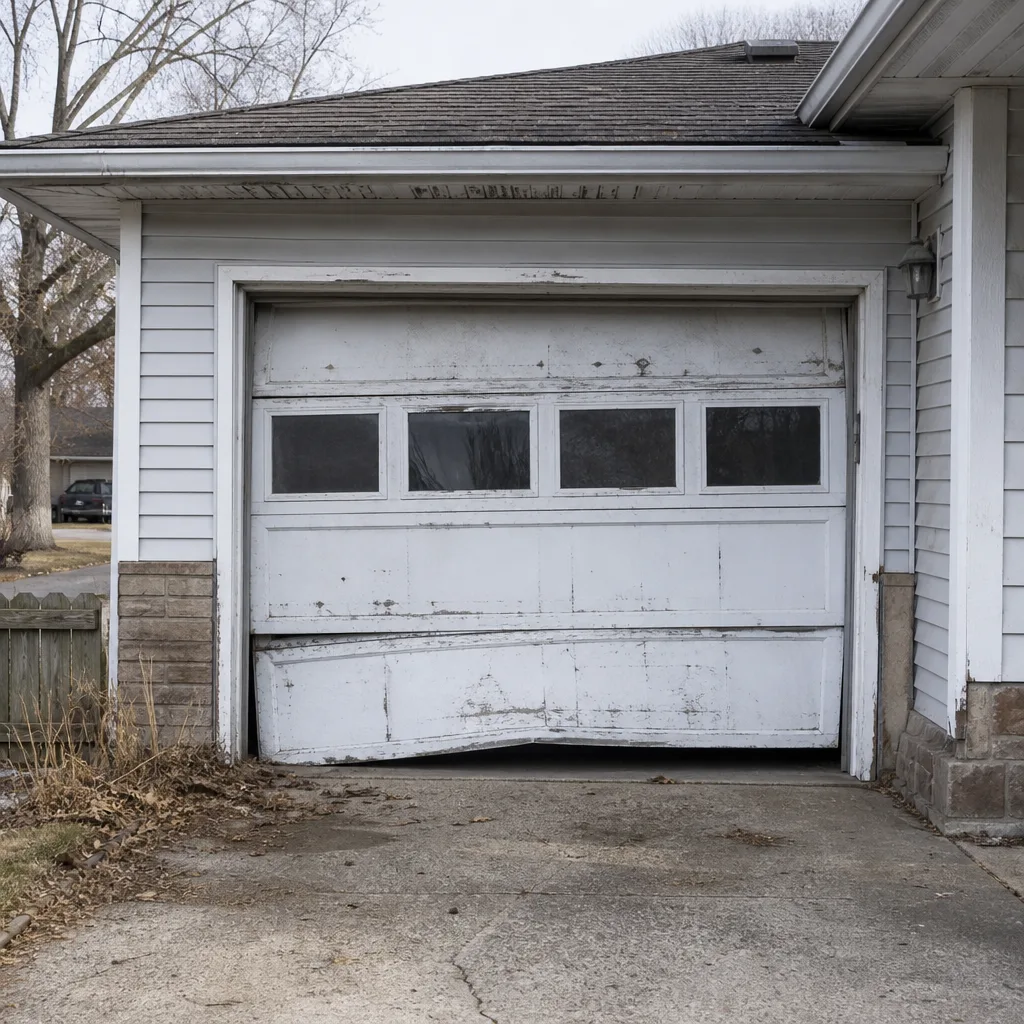 Before
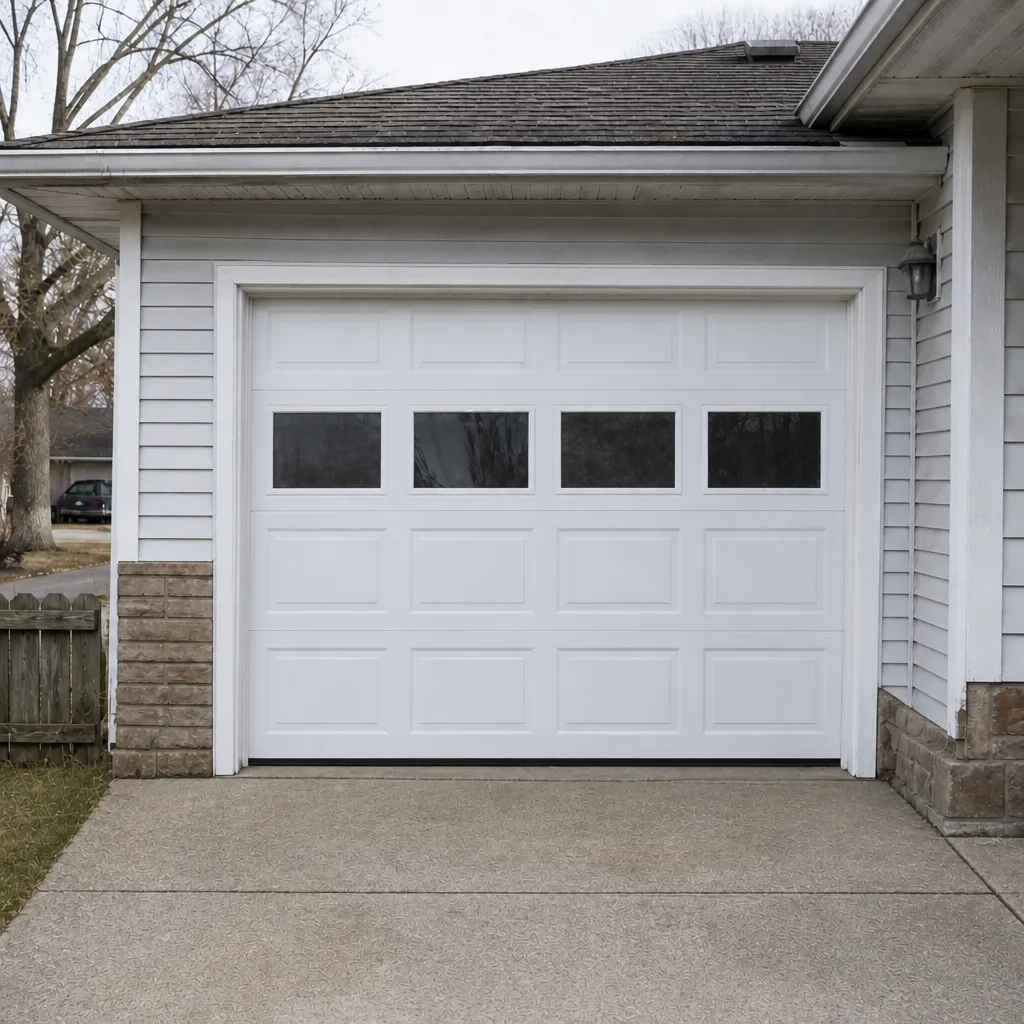 After
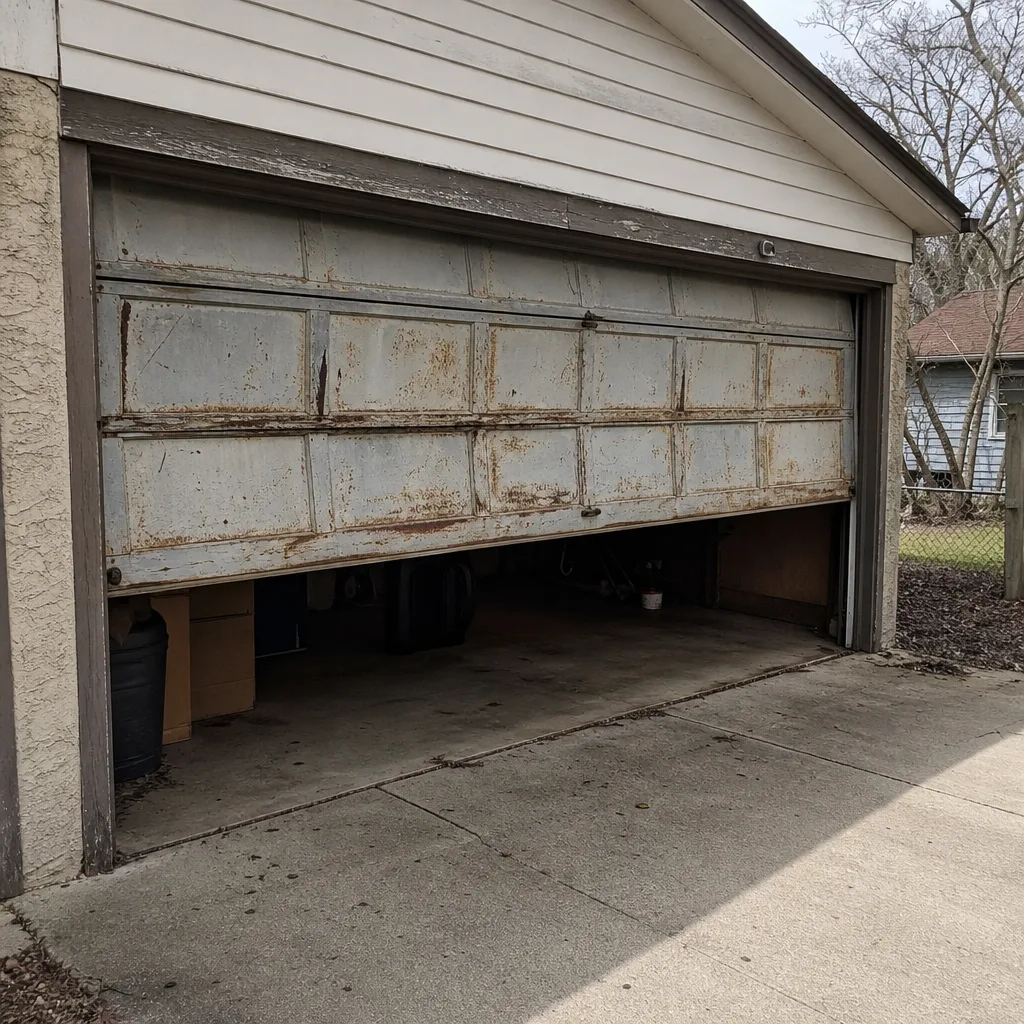 Before
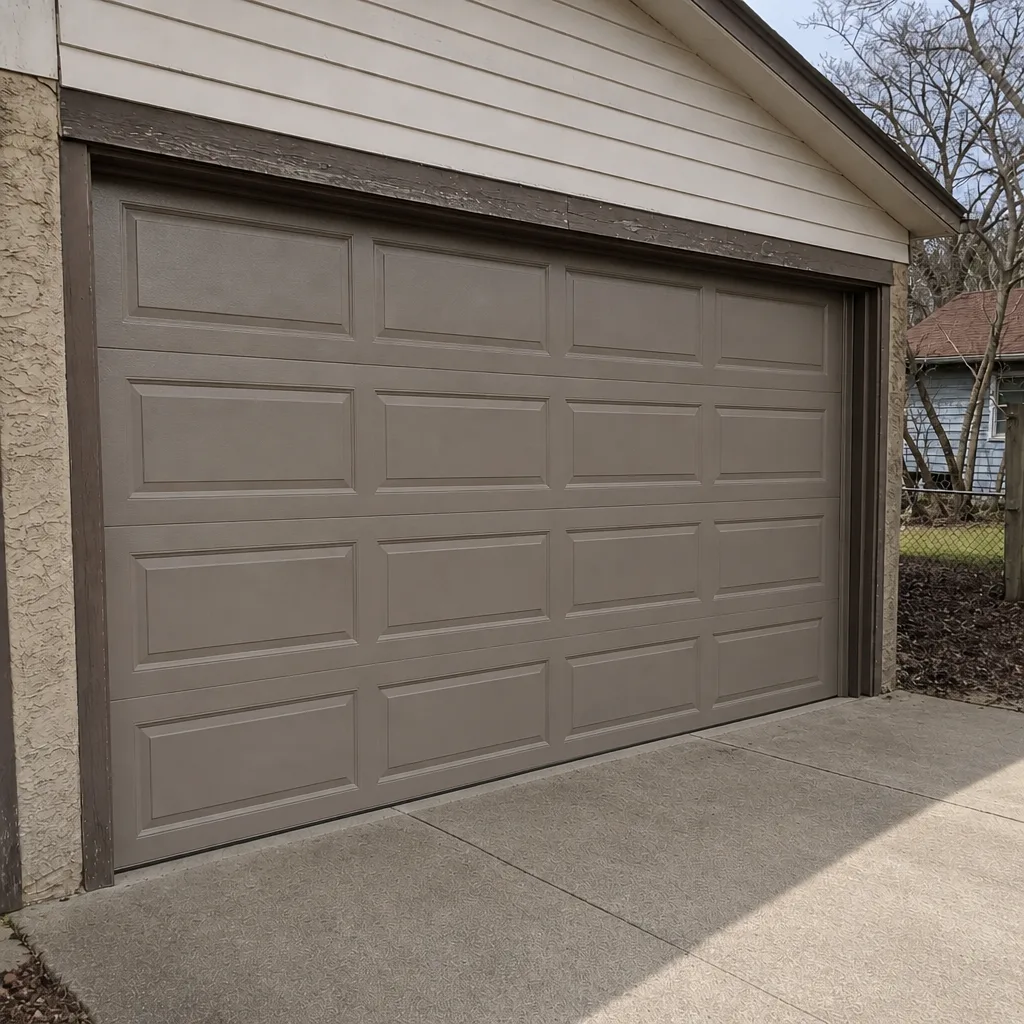 After
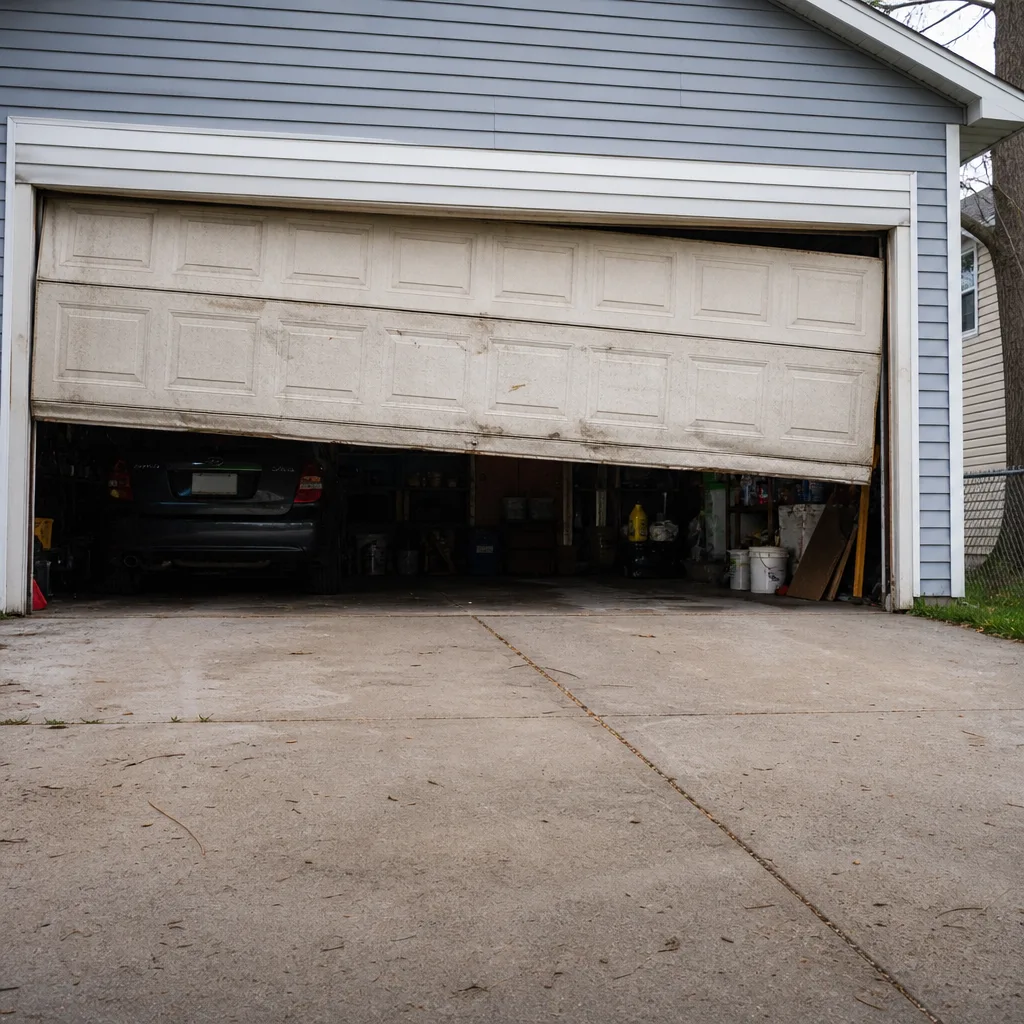 Before
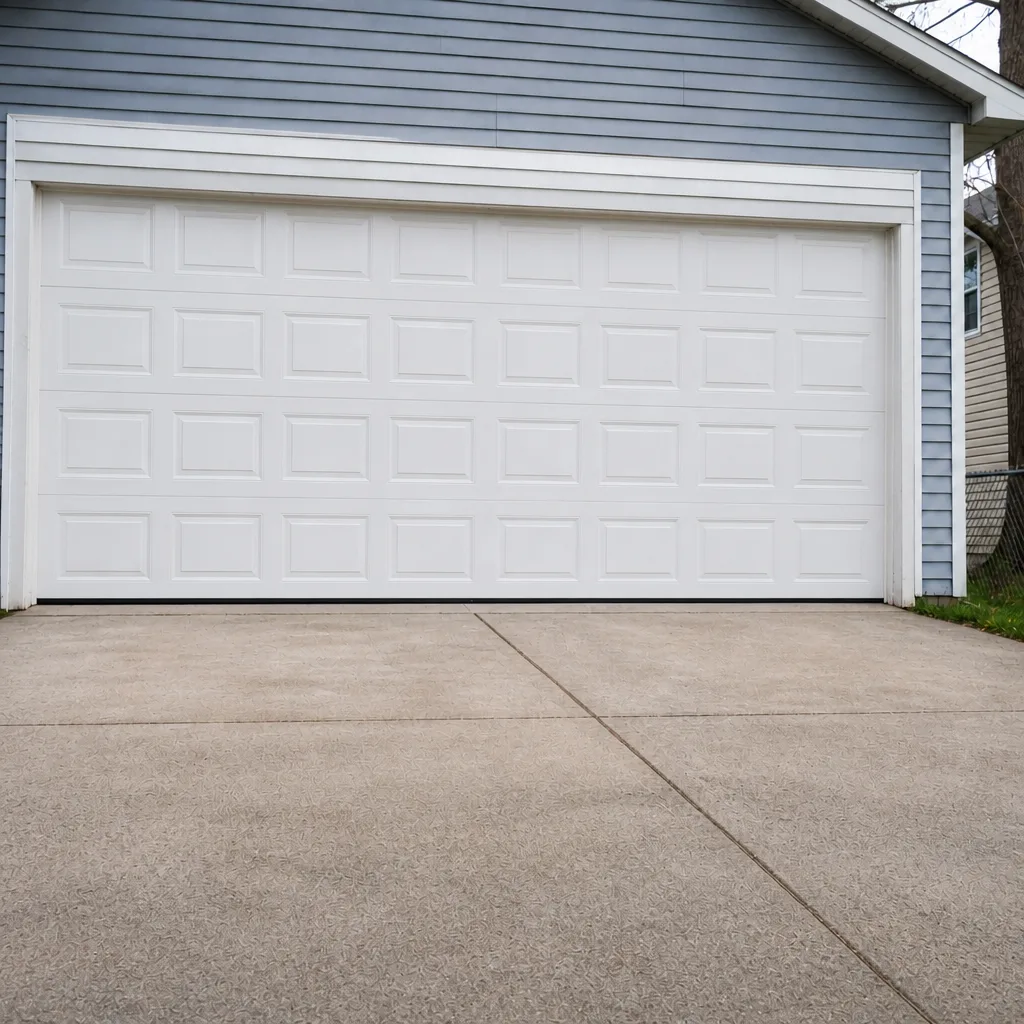 After
When to Call a Professional
Call a professional for anything involving torsion springs, cables, or the door’s balance system, and for anything that involves the opener’s main drive or electronics. Those are genuinely dangerous components, and neither is a safe DIY job. High-tension springs, in particular, can cause serious injury when released incorrectly – a trained technician with the right winding bars is the only safe route. Call us if the door won’t lift, if the opener runs but the door doesn’t, if the door reverses unexpectedly, or if you hear a loud pop from the spring area. Any structural change – new door opening, header work, track relocation – should be scoped by a licensed contractor, with the St. Paul Department of Safety and Inspections consulted about permit requirements. Harvest Garage Door Repair offers Harvest Garage Door Repair – free estimates in St. Paul. Call (888) 270-3708 for a written price. We answer 24/7. Fast dispatch from 7am to 7pm, Sunday through Friday.
Frequently Asked Questions
Check the Minnesota Department of Labor and Industry website for the contractor’s business name and license status, ask for a certificate of insurance, and confirm the business entity on the Minnesota Secretary of State site. Minnesota doesn’t issue a stand-alone garage door specialty license, so garage door work typically falls under general building contractor licensing, and permit requirements are handled by the St. Paul Department of Safety and Inspections. Verify all three before you schedule anything. Call (888) 270-3708 for an exact quote – estimates are free.
Garage door repair in St. Paul typically falls into a few ranges depending on the component: a single spring replacement is one range, a matched pair is roughly double, opener repairs run in their own band, and full door installation is at the high end. The written estimate sets the final price, and it’s quoted and agreed before any work starts. Ask for a written estimate rather than a verbal one, and confirm what grade of part is being quoted before you compare across contractors. Call (888) 270-3708 for an exact quote – estimates are free.
For repair calls, same-day service is often available across St. Paul, and a technician can typically diagnose and repair on the same visit. Call (888) 270-3708. We answer 24/7. Fast dispatch from 7am to 7pm, Sunday through Friday. If you’re calling outside dispatch hours, we’ll book you into the next opening. New door installation is never same-day – that’s a measured, ordered, and scheduled job.
We’re factory-familiar with eight of the brands installed most often in St. Paul: LiftMaster, Chamberlain, Genie, Clopay, Amarr, Wayne Dalton, Craftsman, and Raynor. We work on the brand you already have, whichever of those it is. If a tech can’t diagnose your specific unit, that’s a training gap, not a signal that the door or opener needs to be replaced. Call (888) 270-3708 if you’re not sure which brand is on your home – the office can help identify it from a photo.
The written estimate is the price. If the technician finds a second problem during the repair – a worn roller, a loose track, a failing sensor – they’ll explain it, give you a revised written price, and wait for your approval before proceeding. No work starts without a price you’ve agreed to. That’s the standard we hold to. Call (888) 270-3708 for an exact quote – estimates are free.
Two properly standardized quotes usually give you a cleaner comparison than three mismatched ones. Garage door shops frequently quote different spring grades or opener tiers, so three bids can look like a wide range when the real variable is what’s being quoted. Standardize parts grade, warranty terms, labor rate, and scope before comparing. If a contractor won’t give you a written scope or won’t match the scope you asked for, that’s your answer about their process. Call (888) 270-3708 for a free estimate – we’re happy to be one of your two.
The Bottom Line
Hiring a garage door contractor in St. Paul is really a two-part task: identifying who’s genuinely a specialist and confirming they’re set up to do the job right. The five vetting questions, the licensing check, the line-by-line quote review, and the standardized scope all serve those two goals. Skip any one of them and you’re trusting marketing over evidence. Do all four, and the decision gets straightforward. If you’re looking at a repair on the horizon or an install you’re planning for next year, we’re glad to be one of your quotes – written, itemized, and priced before any work starts.
Contact Harvest Garage Door Repair for a free estimate in St. Paul – call (888) 270-3708. We answer 24/7. Fast dispatch from 7am to 7pm, Sunday through Friday.
Written by the team at Harvest Garage Door Repair.