
Last updated November 15, 2026
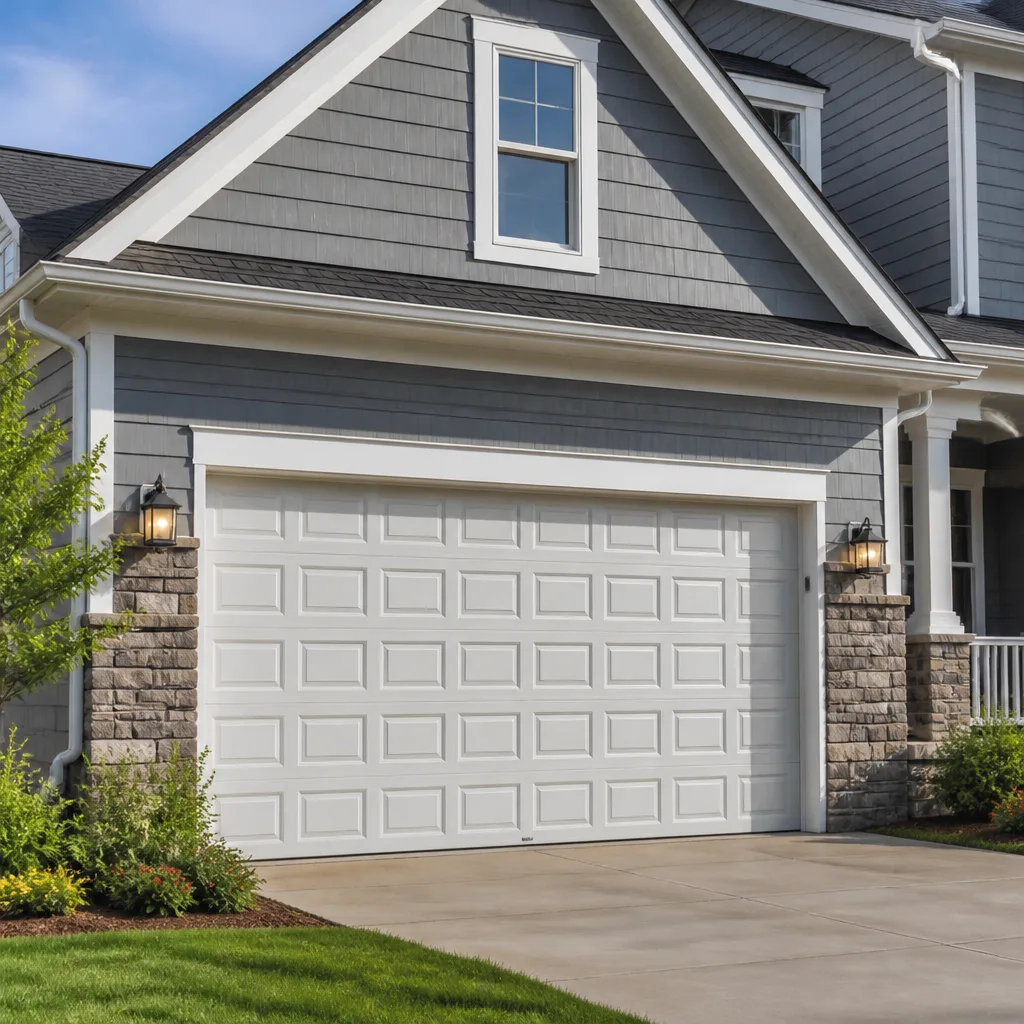 Raised-panel steel
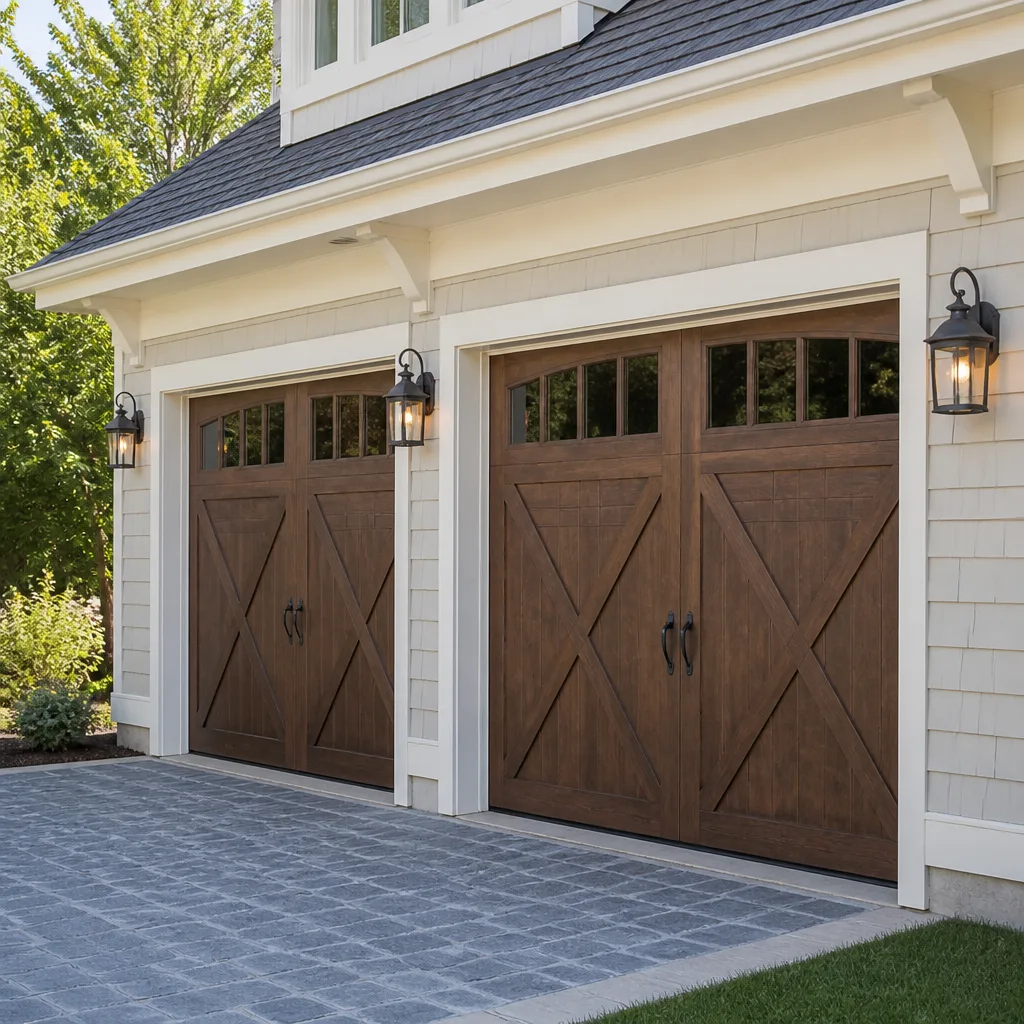 Carriage house
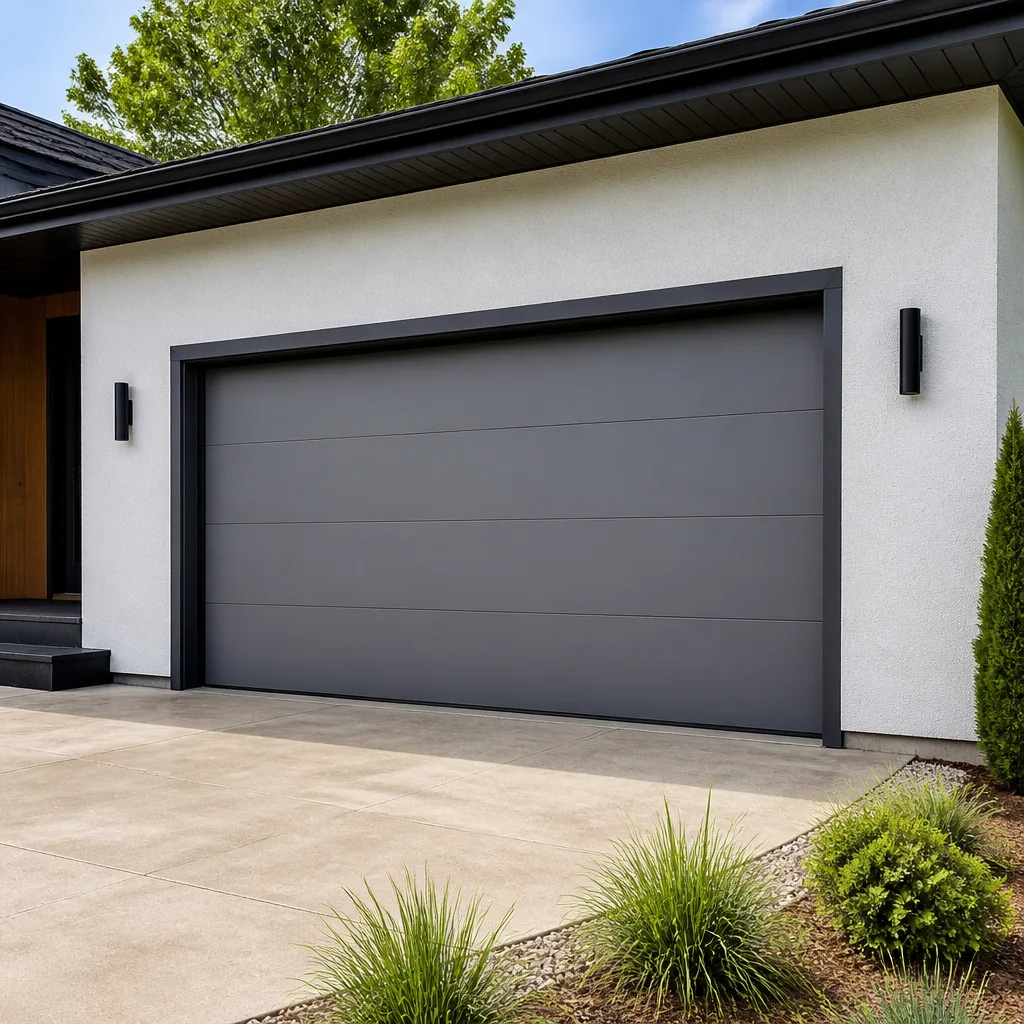 Modern flush
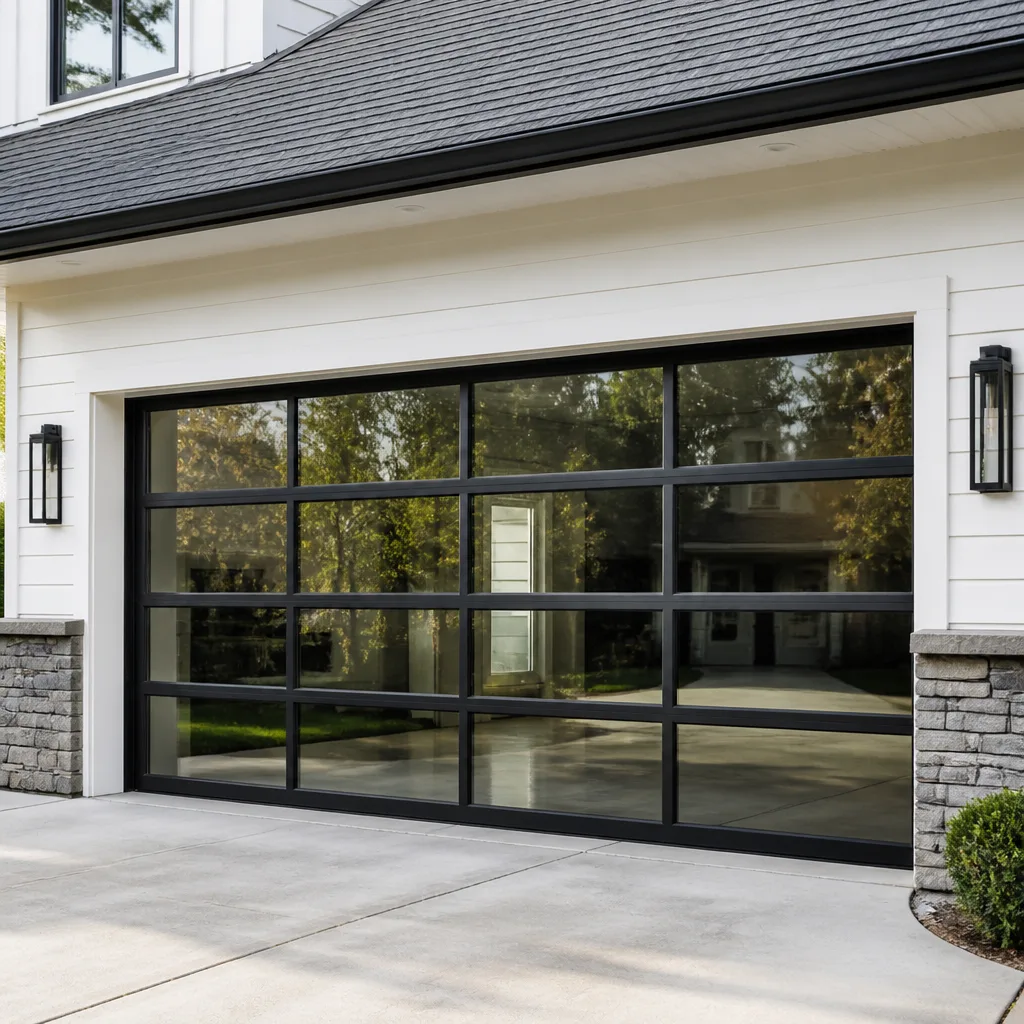 Full-view glass
 LiftMaster openers
 Chamberlain openers
Full 25-point door and opener safety check with every visit - springs, cables, rollers, tracks, and your LiftMaster or Chamberlain opener included
You get a price before we start. It does not change when the pro arrives.
Get your free estimateGarage Door Warning Signs: A St. Paul Homeowner’s Reference Guide
The most expensive garage door repair call is usually the second one. A homeowner hears a slow, labored door, assumes the opener is tired, replaces it, and writes the problem off as solved. Months later the door starts binding again and the new motor is straining. The real cause was a failing torsion spring the whole time, and now two things are broken instead of one. We see this pattern often in St. Paul, and almost every time the household was acting on a reasonable guess about the wrong component. This guide is about reading symptoms correctly: which warning signs point to the spring versus the opener versus the tracks, which ones are actually caused by a Minnesota cold snap and need no repair at all, and which subtle signs you shouldn’t sit on through the winter. By the end you’ll know what to look at, what to leave alone, and what to say when you call.
Quick Answer
Garage door warning signs fall into three groups: mechanical failures that need repair (frayed cables, a broken spring, bent tracks, an opener that clicks without moving the door), cold-weather symptoms that often resolve on their own once temperatures rise, and structural clues you can safely check from outside the door system. The signs worth acting on fastest are a door that won’t open at all, an uneven gap at the floor, and any visible cable damage, because those tend to get worse, not better, through a St. Paul winter. If you’re unsure which category a symptom belongs to, a phone call with a description of what you’re hearing and seeing is usually enough to point you in the right direction.
Styles & brands we work with
- Raised-panel steel
- Carriage house
- Modern flush
- Full-view glass
- LiftMaster openers
- Chamberlain openers
Table of Contents
- Why Garage Door Symptoms Get Misread
- Symptom-to-System Diagnostic: What Each Sign Actually Points To
- Cold-Weather False Alarms: What’s Normal in St. Paul and What Isn’t
- The Three Warning Signs Homeowners Ignore the Longest
- A Safe Visual Inspection You Can Do Yourself
- How to Describe a Warning Sign So the Right Parts Arrive the First Time
- Common Mistakes to Avoid
- When to Call a Professional
Why Garage Door Symptoms Get Misread
A garage door is a mechanical system with two halves most homeowners think of as one: the door assembly (springs, cables, tracks, panels, rollers) and the opener (motor, drive system, sensors). Both halves can produce sounds and behaviors that look identical from the driver’s side of the car. When a door grinds, the instinct is to blame the motor. When it moves slowly, the instinct is to blame age. Neither instinct is usually right.
The reason is mechanical. The torsion spring or springs above the door do most of the lifting work. The opener supplies a comparatively small push to get the door moving and guides it along the tracks. If the spring has weakened or cracked, the opener has to work harder than it was designed to, and the symptoms show up as a door that’s slow, noisy, or unresponsive. A technician diagnosing that door properly has to separate the two systems before quoting anything.
This is where a specialist focus helps. At Harvest Garage Door Repair, garage doors are all we do, and every technician works on both the door and the opener side of the same problem. That matters in St. Paul, where plenty of homes run a Clopay or Amarr door with a LiftMaster or Chamberlain opener, and the failure could reasonably be in either. A generalist has to guess between trades. A garage door specialist diagnoses the whole system, tells you which half failed, and recommends the right fix rather than the easiest one to sell.
What a symptom actually tells you
Before you call anyone, ask one question: is the problem with getting the door to move, or with how it moves once it starts? If the opener groans and nothing happens, the fault is more likely electrical, in the opener itself, or in a safety sensor. If the door moves but does so unevenly, noisily, or with visible strain, the fault is more likely in the door’s mechanical parts. That single distinction is the difference between a repair quote on the right part and a wasted visit.
One more thing worth knowing: a garage door is a system where things fail in sequence. A worn roller adds strain to a track, which adds strain to a cable, which lets the door sag, which overloads the spring. Catching a symptom early often means replacing the inexpensive part before the domino falls onto the expensive one. That’s the practical argument for taking any new noise or gap seriously, even if the door still opens.
Symptom-to-System Diagnostic: What Each Sign Actually Points To
Here’s where the useful work starts. The table below matches the most common warning signs a St. Paul homeowner describes to us against the part that usually turns out to be the real source. Use it as a rough guide, not a diagnosis. A qualified technician confirms the cause in person before any work begins.
- Loud grinding or scraping when the door moves: usually the rollers, the hinges, or a dry spring, not the opener. Grinding that happens at a specific point in the door’s travel often points to a roller or track issue on one side.
- Door moves very slowly or struggles to lift: typically a weakened or broken torsion spring. The opener is doing work it was never meant to do, which is why this sign is so often misdiagnosed as an opener problem.
- Uneven gap at the floor on one side: usually a stretched or damaged cable, a bent track, or uneven spring tension. Worth checking soon, because the gap is a security and weather issue as much as a mechanical one.
- Door shakes or shudders while moving: often a track that’s out of alignment, worn rollers, or a loose panel. Shuddering puts extra strain on every other component each time the door runs.
- Opener clicks but the door doesn’t move: usually the opener’s drive system, a stripped gear, or a safety sensor that’s blocked or misaligned. Sometimes the spring is broken and the opener is attempting a lift it can’t complete.
- Door reverses before hitting the floor: usually a safety sensor or the opener’s force settings. This is often an adjustment rather than a repair.
- Visible fraying or kink in the cable: always cable damage, and always urgent. Cables are under heavy tension and fail unpredictably.
If you’re reading that list and thinking a few of these apply at once, that’s normal. Systems fail in clusters. What matters is identifying the highest-risk item first. In our experience the cable and the spring should always be checked before anything else, because those are the two parts that carry the most load and the two that are genuinely dangerous to touch.
Once you know which side of the system is failing, the service you need becomes clear. Most of what’s on that list is handled under garage door repair. Symptoms that stay in the motor, sensor, or drive system point to garage door opener repair instead. Telling them apart before you call saves everyone time.
Cold-Weather False Alarms: What’s Normal in St. Paul and What Isn’t
St. Paul winters do things to a garage door that have nothing to do with a broken part. When temperatures drop deep below freezing and stay there for stretches, metal contracts, lubrication thickens, and seals stiffen. The result is a door that seems to fail and then seems to fix itself once the cold breaks. Knowing which symptoms belong to that category saves you a repair bill and keeps your attention on the ones that don’t.
Signs that often resolve on their own
- A slower, stiffer door on the coldest mornings. Thickened grease in the opener’s drive and in the rollers adds resistance. If the door returns to normal motion when things warm up, the cause was temperature.
- Occasional grinding or squeaking that only appears in the cold. Lubricant on the hinges and rollers thickens at low temperatures. A door that’s noisy only in January usually needs service, not replacement.
- A door that reverses on its own in very cold weather. The bottom seal stiffens and can trip the opener’s force setting. This usually resolves when the seal softens back up.
- An opener that sounds briefly louder in freezing weather. Cold motor oil and cold grease both change how the motor sounds on start-up.
None of those mean you have no work to do. A door that’s noisy every winter is telling you it needs lubrication, and a seal that stiffens and reverses the door is telling you the seal is ageing. The point is that the fix is maintenance, not a broken-component repair.
Signs that look minor in winter and aren’t
Cold weather also hides problems by turning them into something else. A door that stops closing a few inches off the floor in the cold might be a stiff seal, or it might be a damaged cable that’s more visible when the door flexes. A door that lifts unevenly in February might be sagging more than usual because of the temperature, or the spring might have finally given way. The complication in St. Paul is that these clues overlap with normal cold-weather behavior, and the only way to tell them apart is to look at the door’s hardware directly rather than the door’s motion.
Our rule of thumb: if a symptom shows up only on the coldest days and clears when temperatures moderate, it’s likely cold-driven. If a symptom persists through warming spells, or gets worse across a cold stretch, treat it as a real mechanical issue. When in doubt, calling a specialist is free, and a trained ear on the phone can tell you which category you’re in. Call (888) 270-3708. We answer 24/7. Fast dispatch from 7am to 7pm, Sunday through Friday.
One more St. Paul-specific note. Snow and ice packed at the base of the door after a storm can force the bottom seal out of alignment and give the appearance of a bent track. That’s worth clearing before you assume the track is damaged. The further you drive in a St. Paul winter, the more often the “failure” is snow on the threshold rather than anything in the door.
The Three Warning Signs Homeowners Ignore the Longest
Certain symptoms get ignored for over a year, because they don’t stop the door from working. That’s exactly the problem: they’re warning signs, not failures yet. These three show up late in St. Paul homes because each one requires the door to actually be looked at, not just listened to.
1. Subtle cable fraying
A cable doesn’t snap without warning. It frays first, usually with a few broken strands at the drum or near the bottom bracket, and the outside sheath can hide most of that damage. A frayed cable under heavy tension is a genuine hazard, and one that gets progressively worse as the door’s cycles accumulate. This is one to check visually at every seasonal change. Don’t try to touch the cable; look at it from a distance and note anything that looks rough, kinked, or bundled differently than the matching cable on the other side of the door.
2. An asymmetric gap at the floor
When one corner of the closed door sits higher than the other, the door is telling you that the load isn’t balanced. Often the cause is a stretched cable, bent track, or unbalanced spring, and the small gap will grow over time. Beyond the mechanical risk, the gap lets cold air in, which matters more in St. Paul than most places, and it’s a security concern because the door isn’t effectively locked. It’s one of the easiest things to spot from outside the door and one of the most commonly ignored.
3. Opener clicking without movement
An opener that clicks, buzzes, or hums without moving the door is trying to work but can’t. That could be a stripped drive gear, a safety sensor interruption, or a broken spring that’s made the door too heavy for the motor. Each of those is a different repair, and continuing to press the button hoping it’ll catch eventually accelerates wear on whatever in the system is still working. If it clicks twice, doesn’t move, and needs a third press to finally lift, that’s a system telling you to look at it now. Continuing to operate a door in this condition is one of the fastest ways to turn a single-component repair into two or three.
If any of those three look familiar, don’t wait for the door to stop working entirely. The best time to call about a garage door in St. Paul is before the temperatures plunge and before the failure takes another part with it.
A Safe Visual Inspection You Can Do Yourself
You can learn a lot about your garage door without touching any moving parts. Here’s a walk-through you can do in a couple of minutes, from outside the door system, that covers most of what a technician asks about. The rule is visual, not hands-on: look, don’t touch.
- Look at the door in the closed position. Does the bottom seal meet the floor evenly? Is there a gap at either corner? Are any panels visibly dented, bowed, or separating from their neighbors?
- Look at both springs from a safe distance. On a torsion spring door, the spring runs horizontally above the door. Look for a visible break in the coil or a gap where the spring should be continuous. If it’s broken, that’s confirmed and you need a repair.
- Look at both cables with the door closed. The cables run down each side of the door. Look for frays, kinks, or slack that shouldn’t be there. Don’t touch them.
- Look at the tracks. Stand beside the door and glance up the vertical tracks. Do they look straight? Is one noticeably bent, dented, or loose where it mounts to the wall?
- Look at the rollers. Every roller should look similar to its neighbors. One that’s loose, wobbling, or visibly chipped stands out fast.
- Listen, from outside. With the door closed, run the opener and listen from the driveway. Grinding, squealing, popping, or a door that starts and stops tell you about the system without you needing to be underneath it.
- Note the door’s behavior. Does it move smoothly, or does it hesitate at one point in its travel? Does it return to the ground evenly?
What not to touch, and why. The torsion spring and the cable drums are under heavy tension and can cause serious injury if they release unexpectedly. Never try to adjust them yourself, and never reach into the space above the door while it’s open. The same applies to the bottom bracket where the cable terminates. If a spring, cable, or bracket looks wrong, that’s the moment to call a professional, and it’s a safety call, not a convenience call.
The rest of the door is fine to look at from a distance. Use a phone to take close-up photos of anything that worries you; that’s a safer way to get a technician a close look than getting closer yourself.
How to Describe a Warning Sign So the Right Parts Arrive the First Time
Most wasted visits on a garage door come down to miscommunication, not misdiagnosis. A technician arrives expecting a spring repair and finds a sensor problem. Accurate description over the phone means the technician can arrive with the right parts and the right diagnostic plan, which turns a two-visit job into a single visit. Here’s the practical way to describe what you’re experiencing.
- Name the brand if you know it. If you can see the brand name on the door or the opener, tell the person on the phone. In St. Paul that’s often Wayne Dalton or Craftsman, but any brand on the door matters for pulling the correct replacement parts. Harvest technicians work on LiftMaster, Chamberlain, Genie, Clopay, Amarr, Wayne Dalton, Craftsman, and Raynor, so whatever label is on your door, tell them.
- Say what happens, not what you think is wrong. Instead of “the opener is broken,” say “the opener clicks twice without lifting the door, and I have to press the button three times before it moves.” That’s the information a technician needs.
- Describe where the noise comes from. Above the door, at one side, at the motor, or under the door are four very different problems.
- Describe when it happens. Only on cold mornings, only after the door’s been closed for a while, only when you press the remote from the kitchen, or every time. In St. Paul, “only on cold mornings” points one way and “every time” points another.
- Note what you can see. Any visible gap at the floor, a spring that looks broken, a cable that looks frayed, a panel that looks bent. Photos on your phone help.
- Say whether the door is stuck open, stuck closed, or operating normally. This can change the urgency and whether a call becomes a safety call.
The single biggest thing you can do is tell the person on the phone the door’s brand and what you’re actually seeing and hearing. That one habit is what makes a first visit a fix instead of a diagnosis. If it’s a St. Paul home with an older door, a Wayne Dalton panel on a LiftMaster opener is common enough that we hear it on nearly every call, and it just means both halves get looked at.
If you’re unsure whether your door qualifies as a return visit later in the day, call now and describe it. Call (888) 270-3708. We answer 24/7. Fast dispatch from 7am to 7pm, Sunday through Friday. Estimates are free, and technicians have up to 8 years of experience reading these exact symptoms.
Common Mistakes to Avoid
- Assuming a slow door is an ageing motor. In most St. Paul homes the motor is doing its job. A weakening spring is the more likely culprit, and replacing the opener only masks that failure until something else gives. See garage door opener repair for how we approach the motor side when it really is the motor.
- Greasing the tracks. Rollers and hinges benefit from light lubrication, but the tracks shouldn’t be greased. Grease in the track collects grit and grit grinds rollers. Tracks stay clean and dry.
- Overriding a safety sensor to get the door to close. A sensor that stops the door is doing its job. If a door is refusing to close because of sensor obstruction, fix the alignment rather than finding a workaround.
- Ignoring an uneven floor gap as cosmetic. A gap at one corner is a mechanical imbalance most of the time, and it will widen. It also defeats the door’s weather seal, which matters more in St. Paul than most places.
- Waiting for the door to stop completely before calling. Any symptom that turns into a “door won’t open at all” call was almost certainly a warning sign that was observable weeks earlier.
- Assuming a noisy door is a brand problem. A door that grinds is telling you something about the rollers, springs, or tracks. It isn’t telling you the brand is bad, and it isn’t a reason to replace the entire system.
- Not mentioning the weather pattern. A St. Paul symptom that only appears in the cold is genuinely a different problem from one that’s constant. Skipping that on the phone call can turn into a second visit.
See the difference
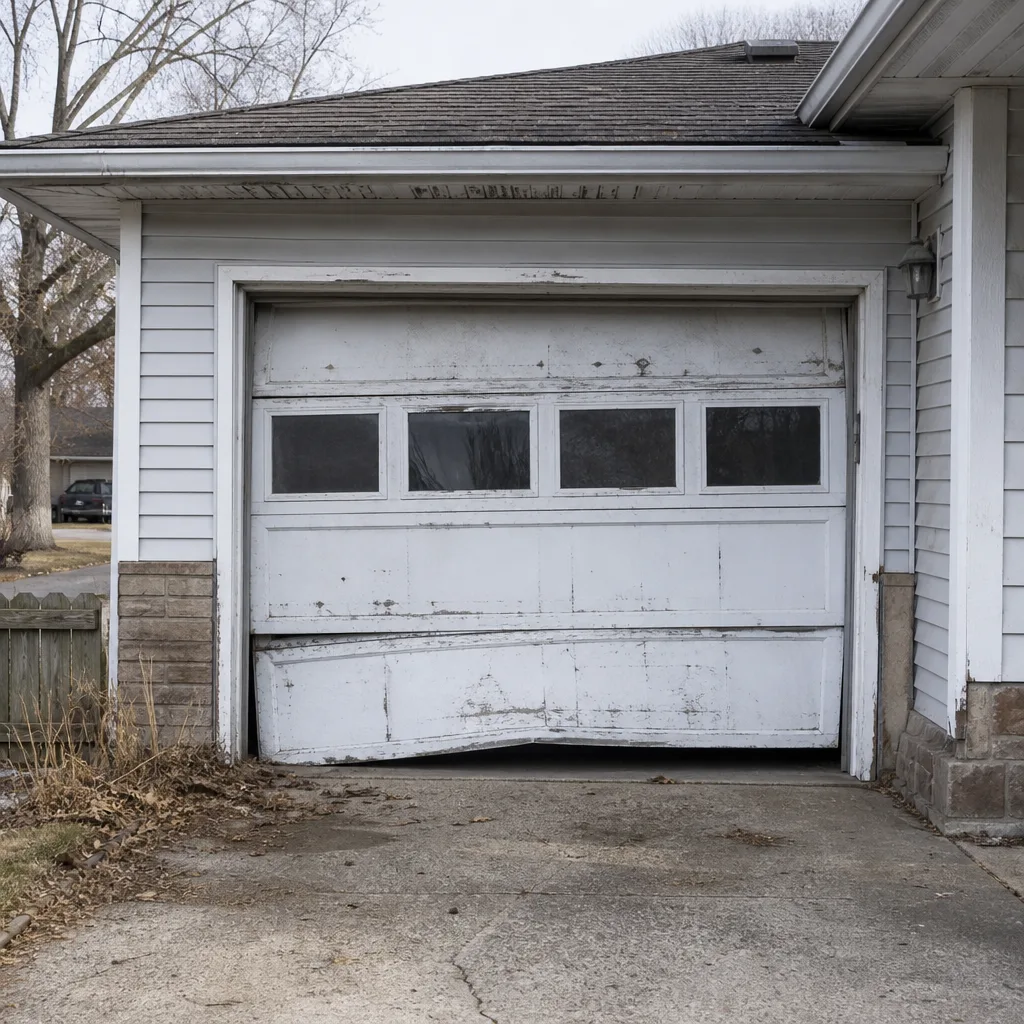 Before
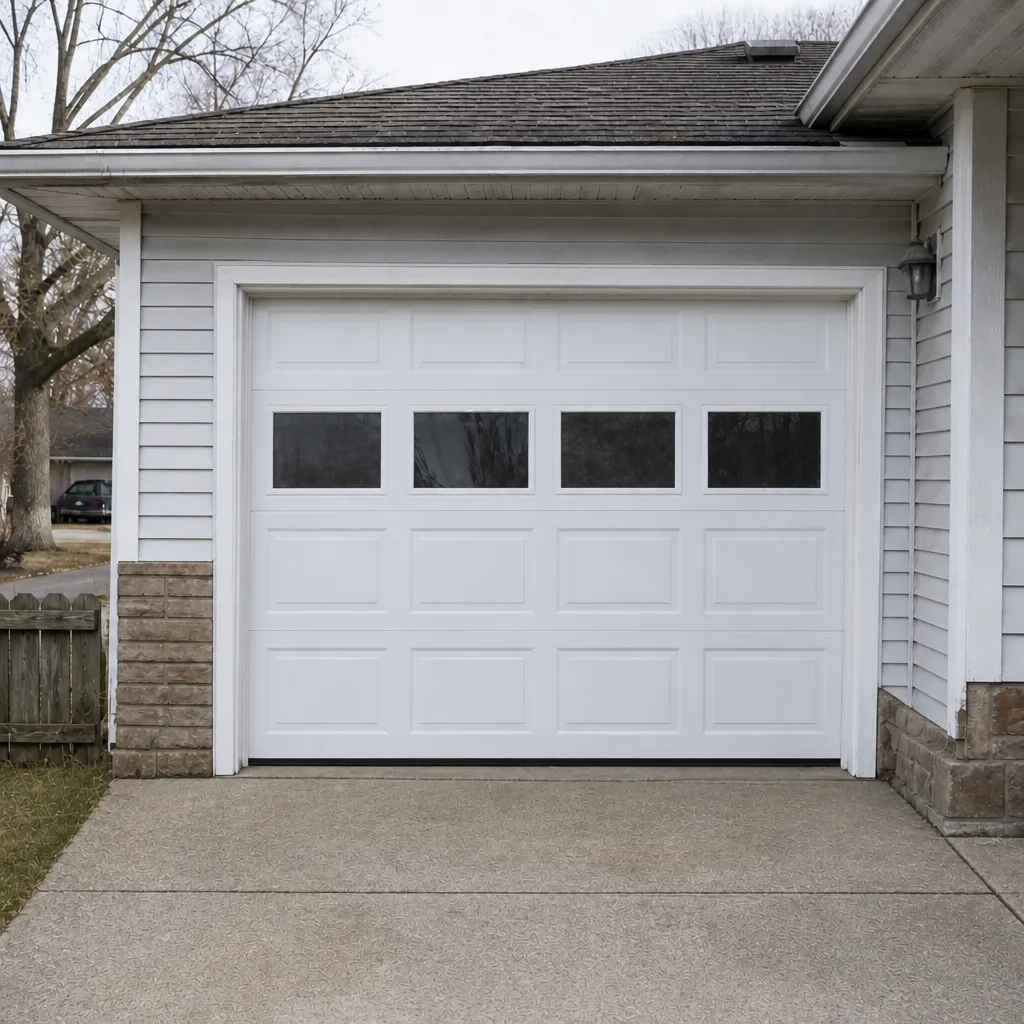 After
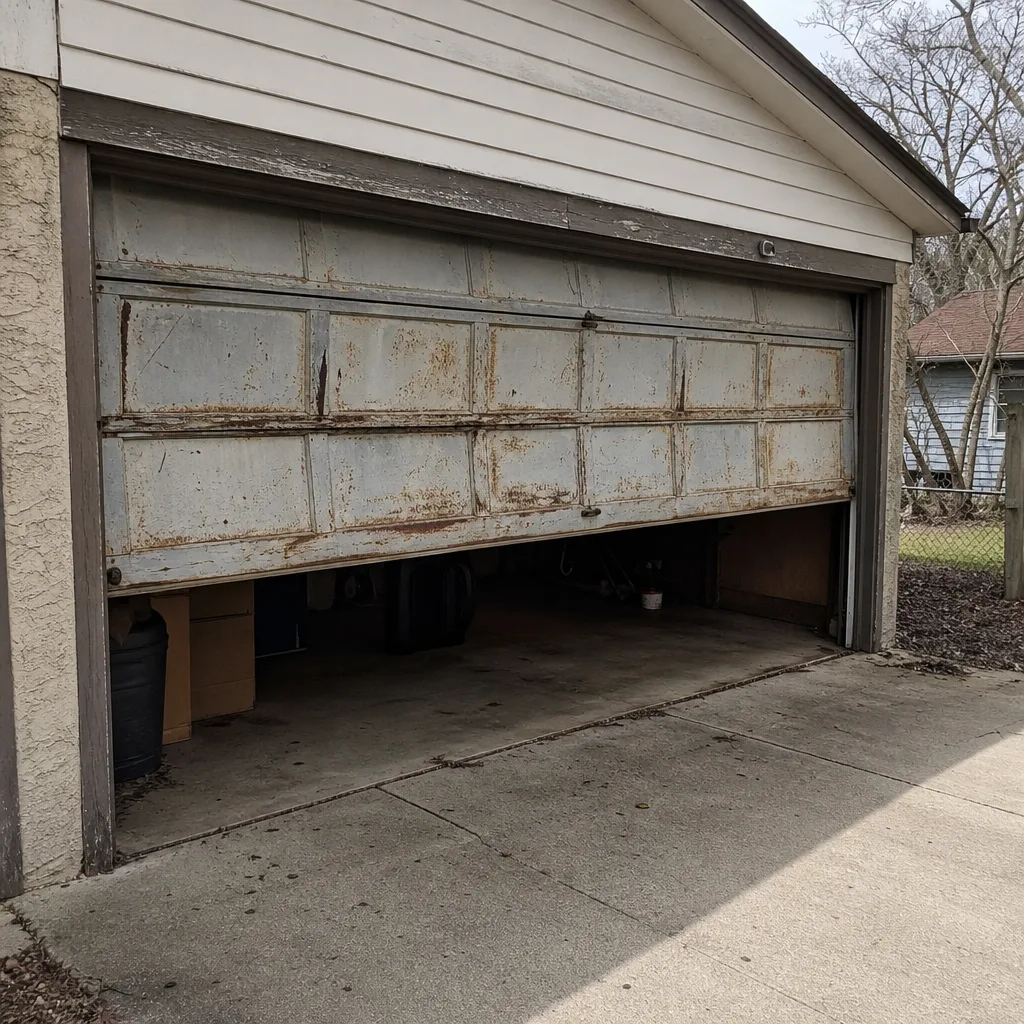 Before
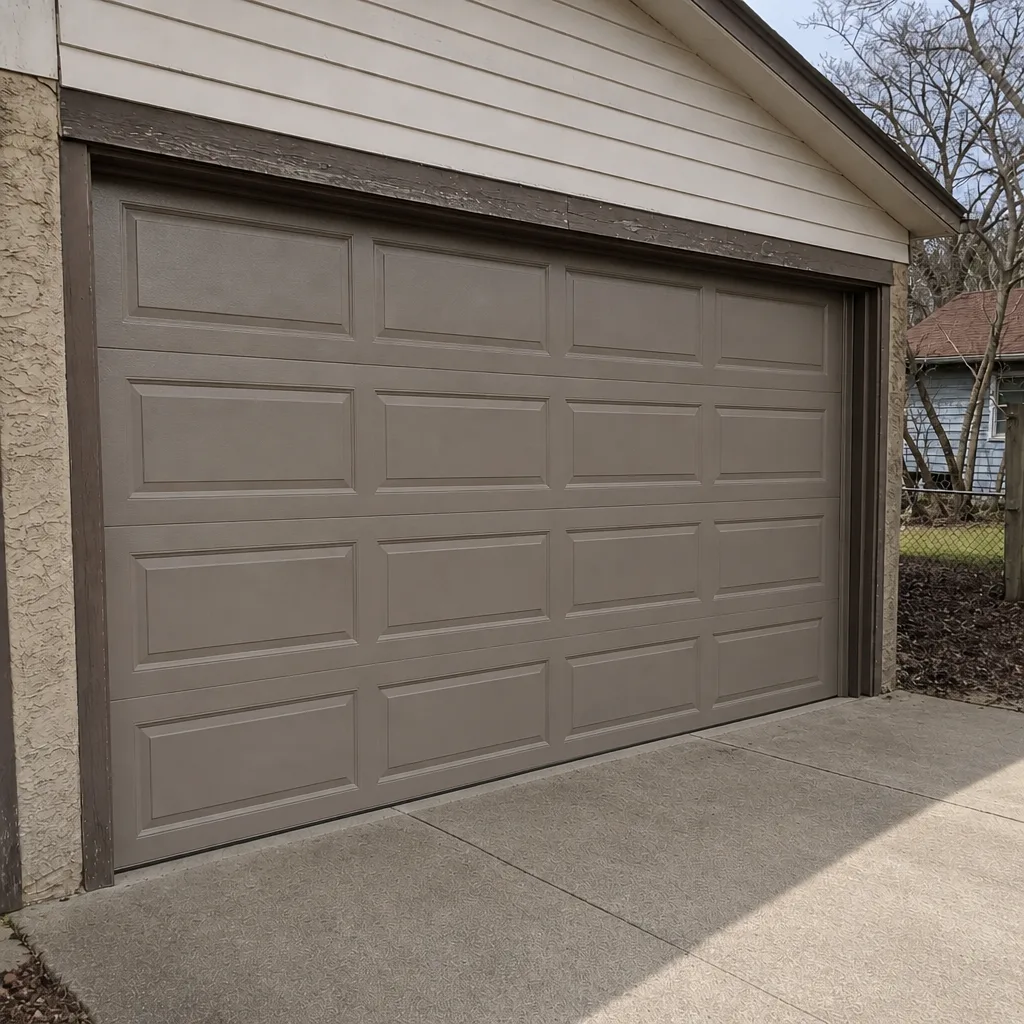 After
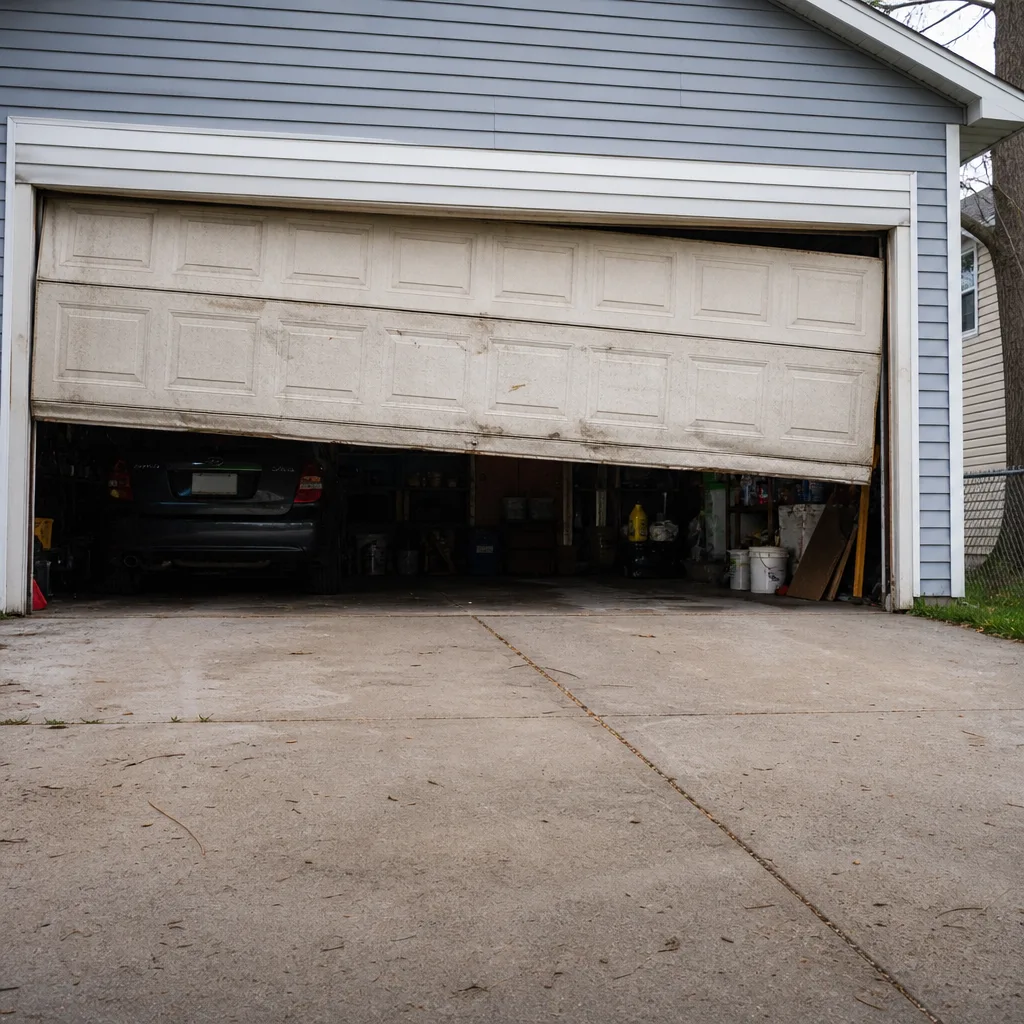 Before
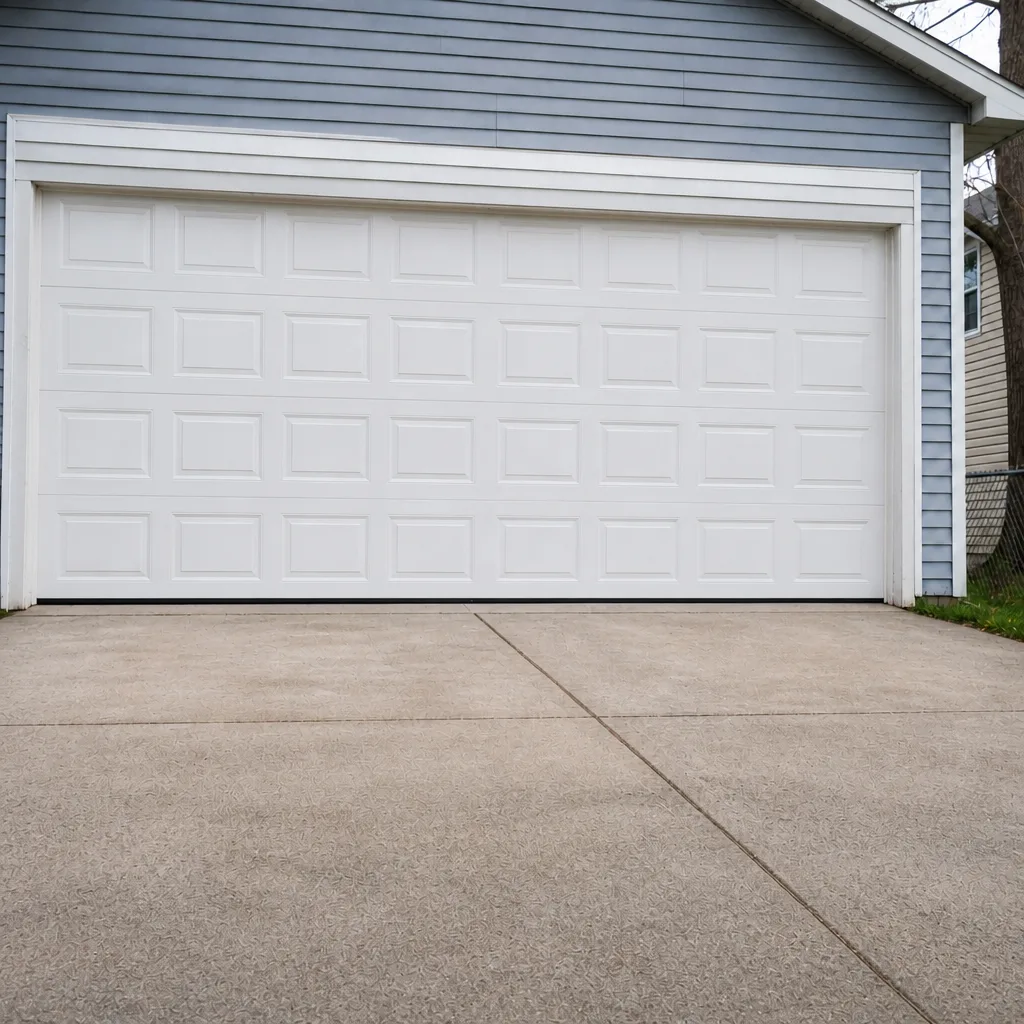 After
When to Call a Professional
Call a professional immediately if a torsion spring is visibly broken, if a cable is frayed or hanging loose, if the door is stuck halfway and won’t move, if the door has dropped on one side, or if the door won’t open at all and the opener is clicking without moving it. Those are the situations where continuing to press the button can turn one repair into several, or where a component under heavy tension is a genuine safety concern. Call when you don’t know which system is failing, too, because a phone call is free and diagnosing on the phone often saves you the guesswork.
St. Paul residents can reach us about any warning sign in this guide. Harvest Garage Door Repair offers free estimates in St. Paul. Call (888) 270-3708. We answer 24/7. Fast dispatch from 7am to 7pm, Sunday through Friday. Our technicians have up to 8 years of experience, and we work on the brand already on your home, including Clopay, Amarr, Wayne Dalton, Craftsman, and four more.
Frequently Asked Questions
The most common warning signs are grinding or scraping when the door moves, a door that’s suddenly slower or heavier, an uneven gap at the floor, visible cable fraying, a shaking door, and an opener that clicks without moving the door. The key is that each of those points to a different part, so a proper diagnosis is about matching the symptom to the system, not fixing whichever part you guessed. If more than one applies, describe what you’re hearing and seeing to a technician before assuming. Call (888) 270-3708 for a free estimate.
If the door moves but does so slowly, unevenly, or with visible strain, the spring is the more likely cause. If the opener clicks, buzzes, or hums without moving the door at all, the fault is more likely in the opener or its sensors. The two produce similar-sounding symptoms, which is why we recommend a phone call to describe what you’re seeing before anyone quotes a part. In St. Paul we hear both versions weekly. Call (888) 270-3708. Estimates are free.
In St. Paul, a lot of winter symptoms are temperature-induced: thickened lubrication, stiffened seals, and contracted metal all change how the door behaves below freezing. A door that’s only slower or noisier on the coldest mornings, and returns to normal when temperatures moderate, is usually telling you it needs lubrication or a seal adjustment rather than a repair. A symptom that persists through warming spells, or gets worse across a cold stretch, is more likely a real mechanical failure worth a call. Call (888) 270-3708 for a free estimate.
Visual checks are safe for a homeowner, but the torsion spring, cables, and cable drums are under heavy tension and should only be handled by a trained professional. Replacing an opener on a slow-door complaint, which is a common DIY response to a spring issue, tends to make things worse because the new motor inherits the same overloaded spring. Call (888) 270-3708 and describe the symptom. We’ll tell you whether it’s a repair or a tweak, and estimates are free.
Pricing is set per job by a written estimate, and the estimate is free. Warning-sign repairs vary widely because the part matters more than the symptom: cable, roller, and sensor repairs land in one range, spring repairs in another, and opener repairs in another. The right number depends on what your door is actually doing, which is why we don’t quote a single figure up front. The written estimate sets the final price before any work starts. Call (888) 270-3708 to schedule an estimate.
Yes. We service LiftMaster, Chamberlain, Genie, Clopay, Amarr, Wayne Dalton, Craftsman, and Raynor, so whatever brand is on your St. Paul home today, we can look at it and repair it. We don’t force a replacement just because the brand on the door or opener isn’t the one we’d have chosen. The right fix is the one your door actually needs. Call (888) 270-3708. Estimates are free.
Same-day service exists for repairs, and St. Paul winters make door failures more urgent because they can’t safely be left open. Call and describe what’s happening. We answer 24/7, fast dispatch runs from 7am to 7pm Sunday through Friday, and a call outside those hours is booked into the next opening. If the door is unsafe or stuck open in cold weather, tell us that on the phone. Call (888) 270-3708.
The Bottom Line
Warning signs on a garage door are worth reading correctly. Almost every expensive second repair we see in St. Paul is a symptom that was acted on the wrong way the first time. Focus on distinguishing whether the problem lives in the door’s mechanical parts or in the opener, because the fix is different in each case. Take the three subtle signs seriously: cable fraying, uneven gap at the floor, and an opener that clicks without lifting. Recognize what’s cold-driven versus what’s real, especially in a St. Paul January. And describe what you’re hearing accurately over the phone so the first visit is the fix, not the diagnosis.
If you’re seeing any warning sign from this guide, describe it to us and we’ll help you sort out what’s happening. Our technicians have up to 8 years of experience on the major brands, and we work on whatever is already on your door, whether it’s a Clopay, Amarr, Wayne Dalton, Craftsman, LiftMaster, Chamberlain, Genie, or Raynor. Garage door opener repair and garage door repair are our core services, both handled by the same specialists, and installation is available whenever a full replacement makes more sense than a repair. When things are urgent, we’re there in St. Paul. Call (888) 270-3708. We answer 24/7. Fast dispatch from 7am to 7pm, Sunday through Friday. Estimates are free and the price is set by the written estimate before any work begins.
Written by the team at Harvest Garage Door Repair.