
Last updated November 15, 2026
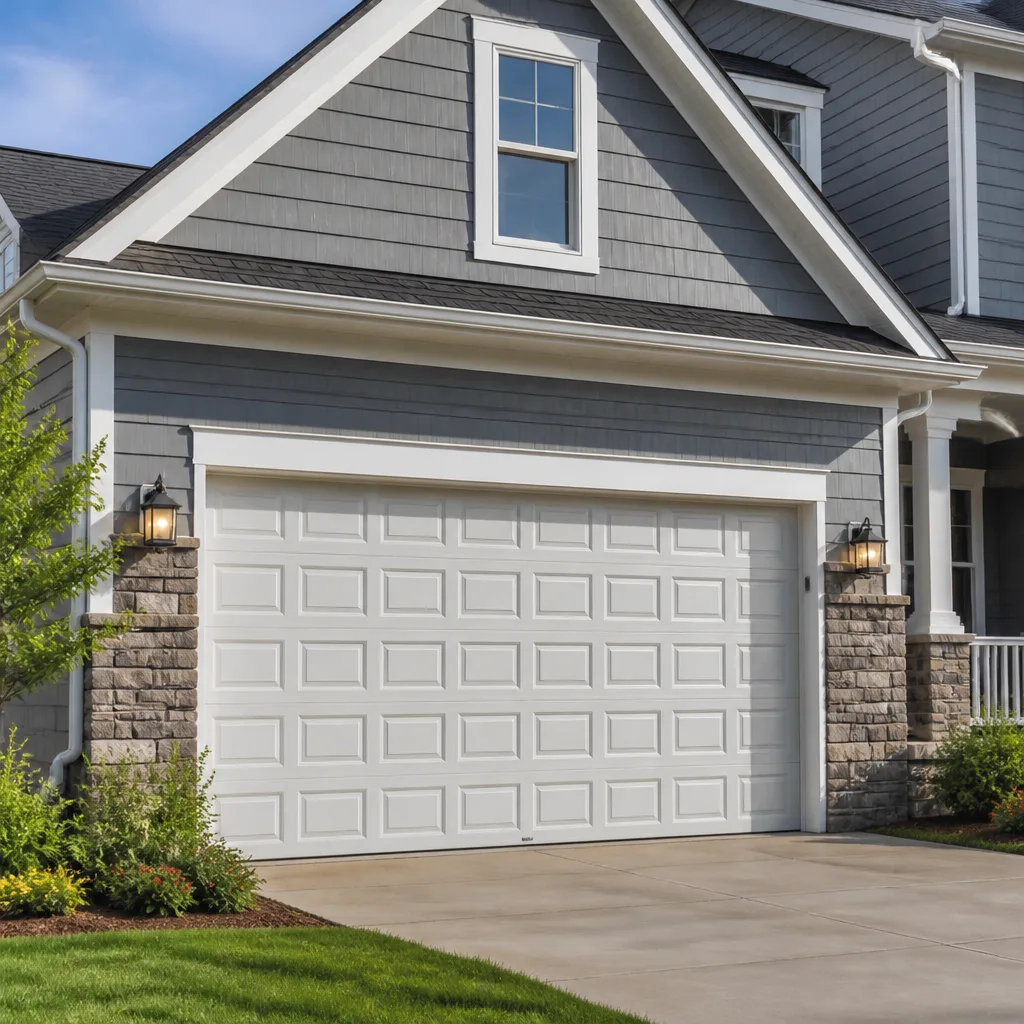 Raised-panel steel
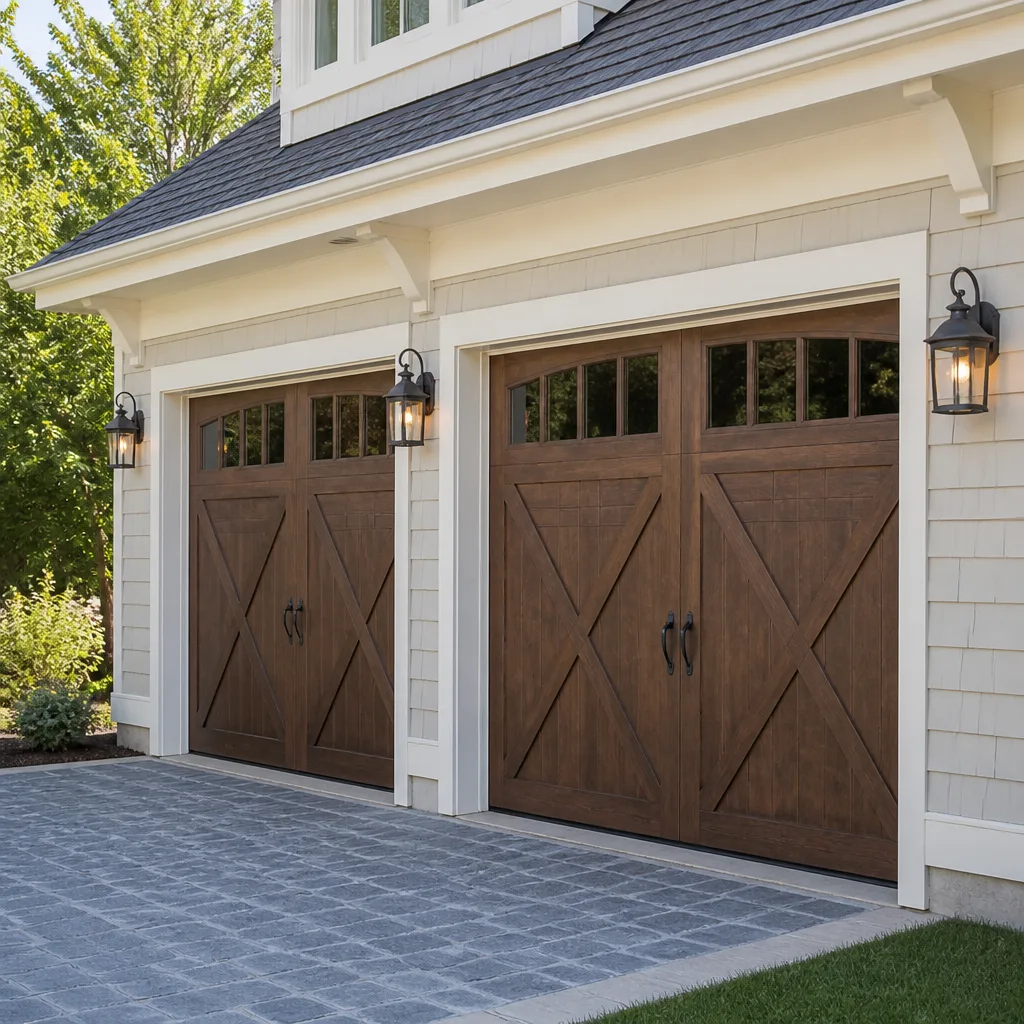 Carriage house
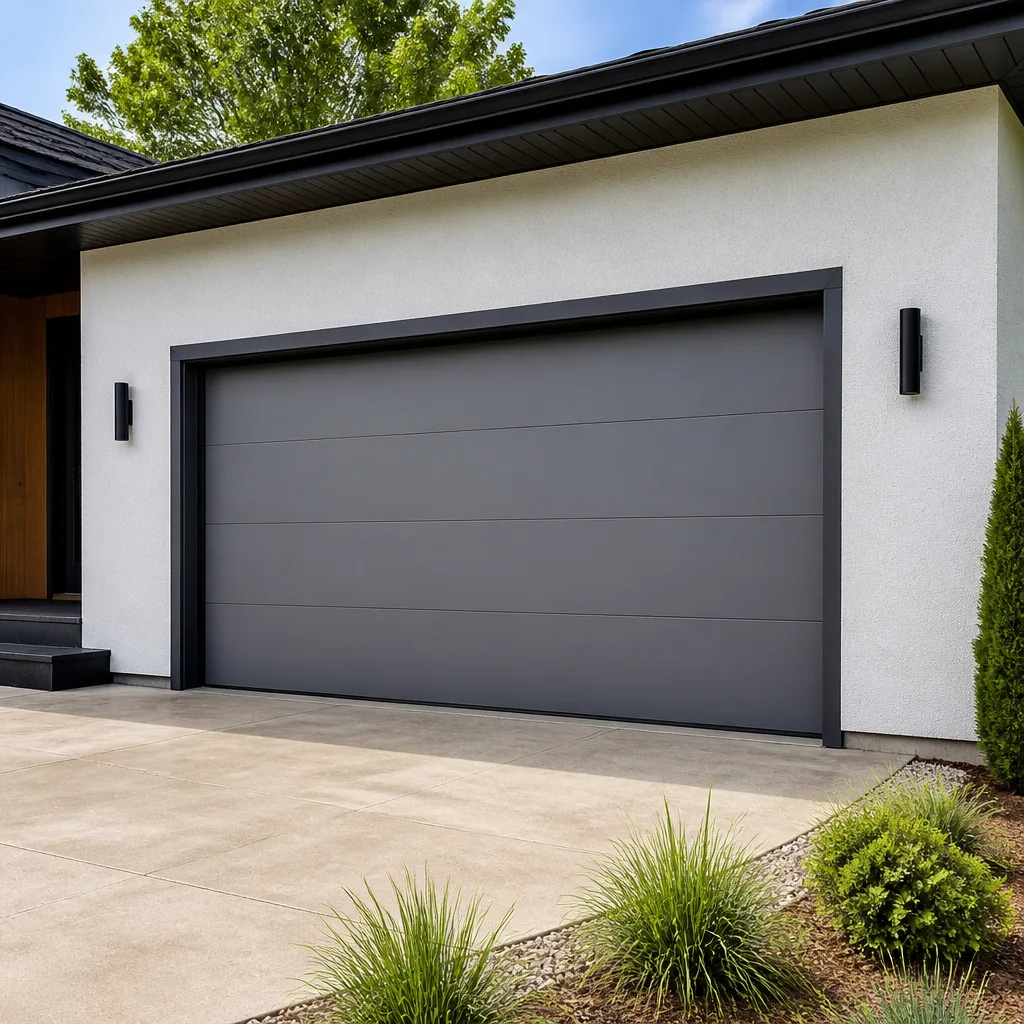 Modern flush
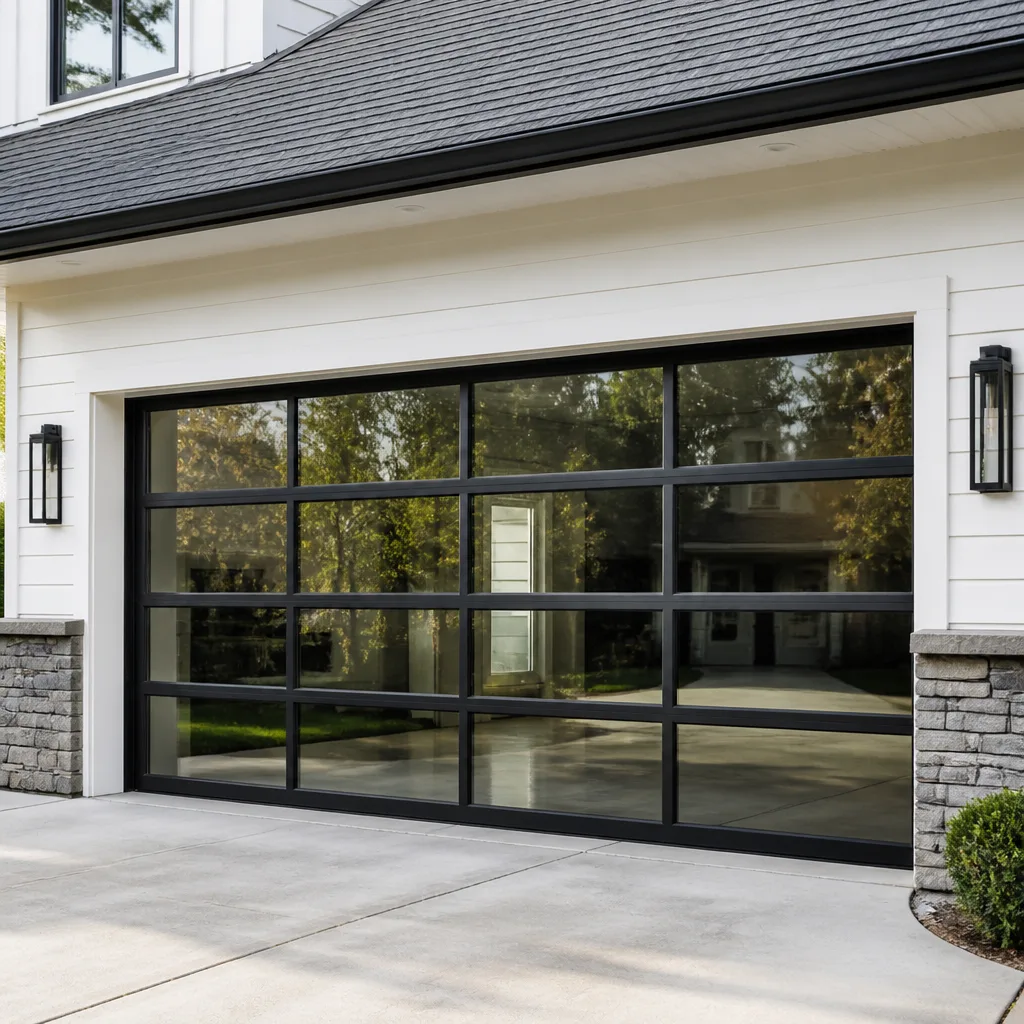 Full-view glass
 LiftMaster openers
 Chamberlain openers
Full 25-point door and opener safety check with every visit - springs, cables, rollers, tracks, and your LiftMaster or Chamberlain opener included
You get a price before we start. It does not change when the pro arrives.
Get your free estimateGarage Door Permits, Codes & Inspections in St. Paul, MN: What You Need to Know
Most St. Paul homeowners assume a garage door swap never touches the permit desk. That assumption holds right up until the project changes something structural: a wider rough opening, a new motor on a door that was manual for decades, a fire-rated wall between the garage and the house. Those changes cross a line the City of St. Paul treats as construction work, and the paperwork follows you longer than the door does. This guide walks through when a permit is required in St. Paul, how fire-separation rules shape which door you can buy, what historic overlay districts in neighborhoods like Irvine Park and Cathedral Hill will and won’t allow, what an inspection actually checks, and how an unpermitted modification surfaces during a home sale in Ramsey County.
Quick Answer
In St. Paul, a garage door replacement usually qualifies as routine maintenance and needs no building permit when the new door matches the old one in size and function. A permit is generally required when the work changes the rough opening dimensions, alters the structural framing, adds a powered opener to a previously manual door, or touches the fire-rated separation between an attached garage and the living space. The City of St. Paul Department of Safety and Inspections (DSI) is the office that confirms it for your specific address, and a quick call there before you order a door saves weeks of cleanup later.
Styles & brands we work with
- Raised-panel steel
- Carriage house
- Modern flush
- Full-view glass
- LiftMaster openers
- Chamberlain openers
Table of Contents
- Replacement Versus Modification: Where St. Paul Draws the Line
- How the DSI Permit Process Works for a Garage Door Project
- Fire Separation Between Attached Garages and Living Space
- Historic District Overlay Rules in Irvine Park and Cathedral Hill
- What a Garage Door Inspection Actually Involves
- How Unpermitted Work Shows Up on a Home Inspection in Ramsey County
- How St. Paul Winters Shape Door Choice and Code Compliance
- A Permit and Code Checklist for St. Paul Homeowners
Replacement Versus Modification: Where St. Paul Draws the Line
The permit question in St. Paul almost always comes down to one distinction: are you putting back what was there, or are you changing the building? A door that comes out and a same-size door that goes in, in the same opening, with the same kind of operation, is generally treated as maintenance. The moment the project changes the opening, the structure around it, or the way the door functions, DSI treats it as construction work that needs a permit and an inspection.
Here’s the working list we walk St. Paul homeowners through before they commit to a door order:
- Routine replacement (usually no permit): same width and height, same track configuration, same operation, no framing changes, door not part of a fire-rated assembly that’s being altered.
- Typically permitted: enlarging or reducing the rough opening, cutting new framing or a new header, converting a manual door to a powered opener for the first time, replacing a door in a fire-rated wall with one that doesn’t meet the rating, converting a garage to living space, or adding a second door to a wall that didn’t have one.
- Usually needs a separate review: any exterior change visible from the street inside a historic overlay district, which we cover further down.
Why this matters in St. Paul specifically: a large share of the city’s housing stock is old enough that “matching what was there” is not straightforward. Doors get replaced over decades with mismatched sizes, tracks get shimmed, openings get framed in. When we measure a door in a St. Paul home, we sometimes find the existing opening already doesn’t match the original framing, which turns a simple swap into a modification whether anyone intended it or not. That’s why we measure carefully before quoting, and why the written estimate is the number that holds.
Our garage door repair work regularly runs into this. A homeowner calls about a door that won’t close, and we find the real problem is an opening that was modified at some point without documentation. Fixing the door is one job. Sorting out the code question is a separate conversation with DSI.
How the DSI Permit Process Works for a Garage Door Project
The Department of Safety and Inspections is St. Paul’s building department. DSI issues the residential building permits and performs the inspections for garage door work that crosses from maintenance into construction. If you are unsure which side of the line your project sits on, the fastest answer comes from calling DSI directly with your address and a description of the work. Most St. Paul homeowners get a clear answer in one conversation.
For a project that does need a permit, the sequence generally looks like this:
- Confirm the requirement. Call DSI with your parcel address and describe the exact scope: door size, whether the opening changes, whether a powered opener is being added, whether the wall is fire-rated.
- Apply for the residential building permit. DSI handles residential permits directly. Plans and a scope description are usually part of the application when structural changes are involved.
- Get the permit issued before any work starts. This is where homeowners get burned. Ordering a door and tearing out the old one before the permit is issued creates a compliance problem that has to be resolved rather than prevented.
- Schedule the inspection after the work is complete. The inspector reviews the installation against the permitted scope.
- Keep the final inspection record. Store the signed-off permit with your home documents. It’s the piece of paper that makes a future sale go smoothly.
One practical note about timing: DSI scheduling runs on the city’s own workload, and inspection availability moves around through the year. We tell St. Paul homeowners to build in a buffer between installation and the final inspection rather than assuming a next-day visit. The installation gets done, the door works, and the inspection gets scheduled into the queue. None of that changes how long your door is out of service.
Permit fees are set by DSI and quoted when the application is filed. We don’t quote permit fees, and no honest contractor should guess at them for your address. The written estimate we give you covers our work. The permit cost comes from the city.
Fire Separation Between Attached Garages and Living Space
Minnesota residential code treats the wall and door between an attached garage and the living space as a fire-separation assembly, and this is the requirement St. Paul homeowners most often trip over without knowing it. The reasoning is straightforward: a garage is where fuel, chemicals, and a running engine live, and the building code wants a barrier that slows a fire long enough for people to get out.
In practice, this affects garage door replacement in a few specific ways:
- The house-to-garage door, not the overhead door, is the usual subject. The pedestrian door between the garage and the house typically needs to be solid-core or rated, self-closing, and tight-fitting. If your project changes anything about that door or its frame, expect the inspector to look at it.
- The overhead door itself becomes part of the conversation when the opening changes. A permitted modification to the overhead opening puts the whole wall assembly in scope.
- Drywall and penetrations matter. Any time a permitted project exposes the ceiling or walls of a garage, the inspector will check that the separation assembly is intact: no open gaps, no unsealed penetrations, no holes that defeat the barrier.
- Garage-to-living-space conversions change everything. If an attached garage is being turned into living space, that’s a different permit category with its own requirements.
We see this on St. Paul homes where an older garage was finished or reworked decades ago without documentation. A homeowner wants a new door, and the walkthrough finds a separation wall that doesn’t meet the standard. We can install a door into that opening. What we can’t do is sign off on it as code-compliant, and DSI won’t either. Getting the wall right is a separate scope handled before or alongside the door.
Our technicians have up to 8 years of experience across brands like LiftMaster, Clopay, and Wayne Dalton, which means we can tell you what door options exist for a fire-rated opening without steering you toward whatever happens to be easiest to source. Brand-agnostic repair and installation is how we work. We don’t tell a St. Paul homeowner their existing door “needs to be replaced” because we don’t carry it. We work on the brand you already have.
Historic District Overlay Rules in Irvine Park and Cathedral Hill
St. Paul has several locally designated historic districts, and Irvine Park and Cathedral Hill are two of the best-known. Both have heritage preservation commissions that review exterior changes visible from the public right of way, and both care about garage doors even when the project is a straight replacement.
The overlay review is separate from the building permit. A project can pass DSI’s construction review and still run into a heritage preservation stop, or the reverse. Both processes have to clear. Here’s what we tell homeowners to expect:
- Appearance matters, not just function. Historic review looks at panel style, material, color, window configuration, and whether the new door reads as appropriate to the period of the house.
- Sectional overhead doors are reviewed more closely than you’d think. A modern flush-panel door on a Victorian-era carriage house can draw a comment even when it’s a same-size replacement.
- Street-visible garages get more scrutiny than alley-facing ones. An Irvine Park garage facing the street gets more attention than one tucked off the alley behind a Cathedral Hill house. If your garage is visible from the street, plan for review.
- Doors, trim, and hardware are typically reviewed together. Swapping panel style without addressing the surrounding trim in a visible location usually triggers a follow-up.
We’ve seen St. Paul homeowners order a door, sign the contract, and then discover three weeks later that the heritage commission would like a different panel profile. Because we carry doors from Clopay, Amarr, and Wayne Dalton, we can usually find a compliant option. What we can’t do is un-order a door that’s already been built.
The step that saves the most money in a historic district is to confirm the review process with the city before you finalize a door selection. The St. Paul DSI office can point you to the right preservation commission contact for your address. Then pick the door. That order matters.
What a Garage Door Inspection Actually Involves
If your St. Paul garage door project is permitted, expect an inspector to visit after installation is complete. The inspection is not an invasive procedure, and it’s usually not a surprise for the homeowner. It’s a review of the installed work against the permitted scope.
A typical inspection for a permitted garage door job covers:
- Conformance to the permitted scope. Did the installed door match what the permit described in size, type, and operation?
- Structural attachment. Is the door and its hardware attached correctly to the framing, and is that framing intact?
- Fire-separation assembly integrity. For attached garages, the inspector checks that the fire-rated wall, ceiling, and any pedestrian door remain sound and that no penetrations defeat the assembly.
- Safety hardware. For a powered door, the reversing mechanism and safety sensors are reviewed.
- Final sign-off. A clean inspection results in a signed-off permit that you should keep with your home records.
Timing in St. Paul is a common concern. DSI’s inspection queue runs on the city’s scheduling, not ours, and it regularly takes days rather than hours to get a slot. If your project has a deadline, such as a sale closing, build in that window. We schedule installation around your timeline, and we can flag permit and inspection steps early so nothing gets held up at the end.
A note on safety: garage door torsion springs and the cables and drums that manage them are under extreme tension and are the single most dangerous part of any door system. We don’t coach homeowners through spring work, and any guide that does is doing you a disservice. The inspection also is not a substitute for hands-on service. If a door is making noise, binding, or reversing unpredictably, that’s a repair call, not an inspection item.
How Unpermitted Work Shows Up on a Home Inspection in Ramsey County
Ramsey County home inspectors are thorough about garages, and a garage door modification that was done without a permit tends to announce itself. The signs are consistent: an opening that doesn’t match the framing, a powered opener installed on a door frame that was built manual, a fire-separation wall that isn’t intact, or a door that’s the wrong size for the opening.
What sellers often don’t realize is that once an inspector flags a garage modification as unpermitted, the conversation moves quickly. Here’s how it typically plays out:
- The buyer’s inspector notes the issue. It goes on the report as a potential code concern. It doesn’t have to be a deal-breaker, but it can’t be ignored either.
- The buyer’s agent asks for documentation. Usually they want to see the DSI permit record and the final inspection sign-off. If neither exists, the buyer’s agent will typically ask the seller to obtain a retroactive permit or correct the work.
- The seller either produces the paperwork or negotiates. Retroactive permitting is possible but adds time and cost, and the outcome depends on what was actually modified.
- The disclosure conversation follows. Minnesota requires disclosure of material defects and known code issues. In Ramsey County, an unpermitted garage modification typically has to be disclosed once it’s identified, and an experienced listing agent will want the paperwork in order before going to market.
Our strong preference, and the reason we ask about the permit question early in a project, is to check whether a permit is required before the door is ordered. A permit at the front of a project is a few hundred dollars and some schedule. Sorting out a missing permit during a sale in St. Paul is usually more expensive and more stressful than the door itself ever was.
If you’re reading this because a buyer’s inspection already flagged something, our garage door opener repair work is often where we start: we can tell you what we see in the installed hardware and recommend how to proceed.
How St. Paul Winters Shape Door Choice and Code Compliance
St. Paul winters push a garage door system harder than most of the country. Sub-zero cold, freeze-thaw cycles, and heavy snow loads change what “the door works” actually means in a St. Paul home, and they interact with code questions more than people expect.
A few local factors St. Paul homeowners should factor into their door choice:
- Insulation matters more here than in mild climates. An insulated door keeps an attached garage warmer, reduces ice on the floor, and helps protect anything stored inside. For a St. Paul home with living space above or beside the garage, insulation also reduces heat transfer through the shared wall.
- Freeze-thaw cycles stress weather seals and bottom seals. A door that barely qualified as weather-tight in October can be a draft source by February. Weather sealing is part of a proper installation anywhere, and especially in St. Paul.
- Door weight and balance are more critical in cold. A torsion spring rated for a door’s weight works reliably; a marginal spring binds hard in cold weather. This is a repair issue, not a permit issue, but it’s the most common reason a St. Paul door fails in January.
- Snow and door clearance. Drifts at the apron and roof overhangs shedding snow onto the door face stress the top panels over the years.
- Brand support matters in cold. LiftMaster and Raynor systems, for example, are widely installed in St. Paul and we work on both. Whatever brand is on your door, we cover it.
When a specific door choice is going into a St. Paul home, we try to align it with how the door will actually perform during the cold months. That’s the practical side of code compliance. A permitted, properly installed, properly insulated door holds up through St. Paul winters. A shortcut installation doesn’t, and the code exists for a reason.
A Permit and Code Checklist for St. Paul Homeowners
Before you commit to a garage door project in St. Paul, run through this checklist. It takes about ten minutes and saves a lot of cleanup later.
- Measure the opening. Confirm the new door can match the existing opening exactly. If it can’t, you’re in modification territory.
- Check whether the wall is fire-rated. For an attached garage, identify the fire-separation wall and any pedestrian door into the house. Any change to this assembly matters.
- Confirm the historic overlay status. Call DSI and ask if your address falls inside a local heritage preservation district. Irvine Park and Cathedral Hill are the best-known, but there are others.
- Call DSI before ordering a door. With your address and a description of the work, ask whether a residential building permit is required. If it is, apply before any work starts.
- Confirm the electrician requirement for a new opener. If the project adds a powered opener to a previously manual door, any new electrical work is usually a separate scope with its own requirements from the city. Confirm this with DSI.
- Schedule the inspection after install. Build in a buffer for DSI’s queue, especially if you have a deadline.
- File the sign-off with your home records. If you ever sell, this is the document that keeps a garage door question from becoming a sale question.
Common Mistakes to Avoid
- Assuming “same size replacement” covers every swap. Same width and height doesn’t help if the opening is being enlarged or the fire wall is being altered. Check the scope, not just the measurements.
- Ordering the door before confirming a permit. In St. Paul, the door build takes days or weeks. Sorting out a permit after delivery is the expensive version. Confirm first, order second.
- Skipping the historic overlay conversation. A heritage preservation review in Cathedral Hill or Irvine Park can require a different panel or material. Discovering it after the door is built means a return and a delay.
- Forgetting the pedestrian door between garage and home. The overhead door gets attention, but the solid-core, self-closing door between the garage and living space is the piece inspectors check. Don’t skip it.
- Not keeping the final inspection paperwork. A signed-off permit is a home document. Store it with the mortgage, the survey, and the inspection report. Future you will need it during a sale.
- Assuming a new opener requires only a plug-in. A new opener on a manual door may involve electrical work and its own permit step. This is worth a call to DSI before the project starts.
- Treating the inspection as a safety inspection. The city’s review checks scope and compliance, not whether your springs are healthy or your sensors are aligned. Those are separate service questions.
See the difference
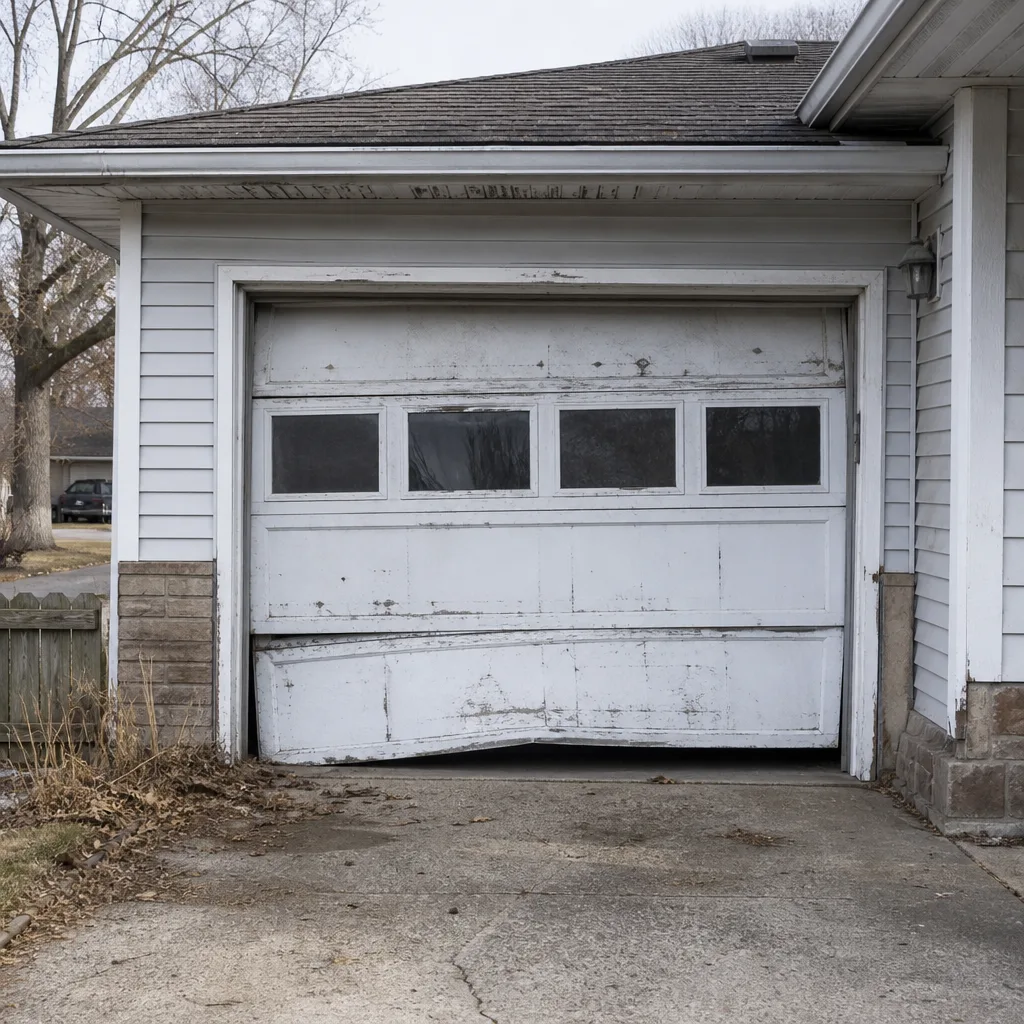 Before
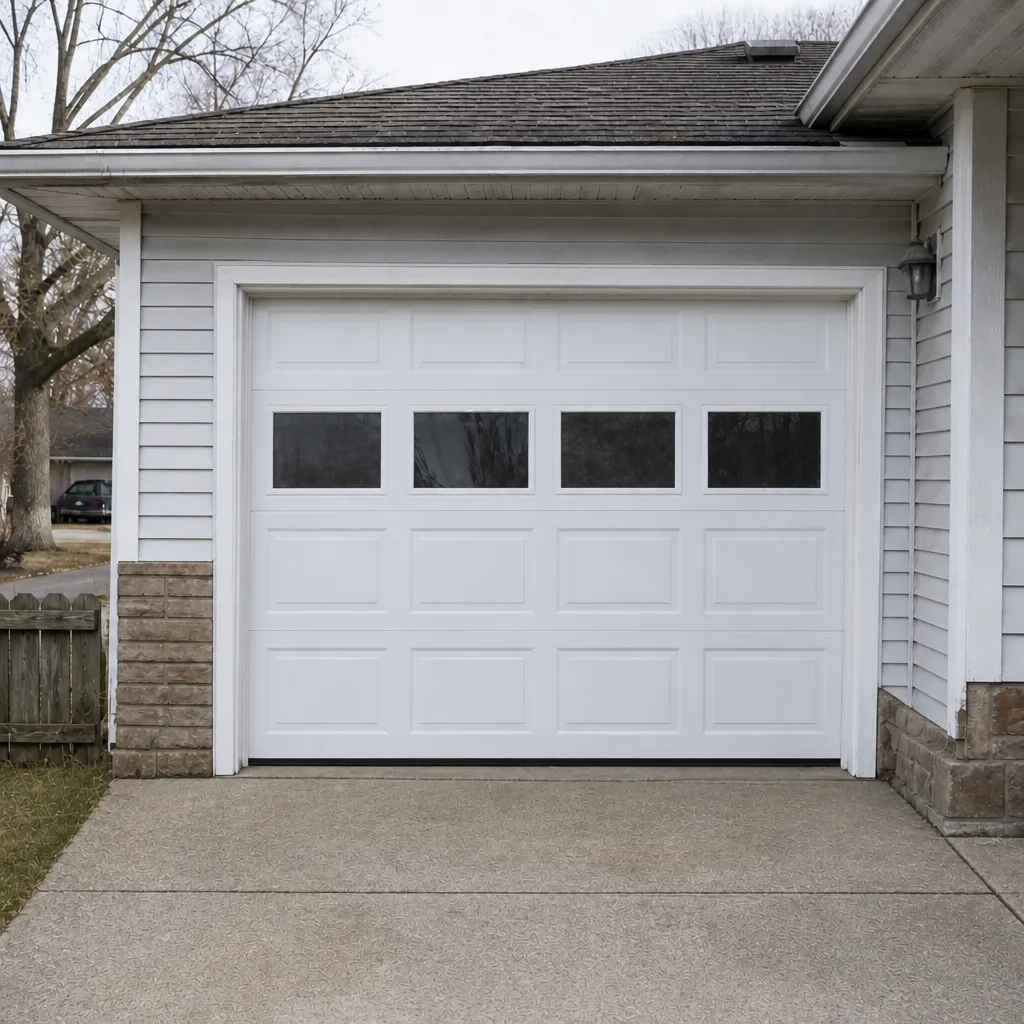 After
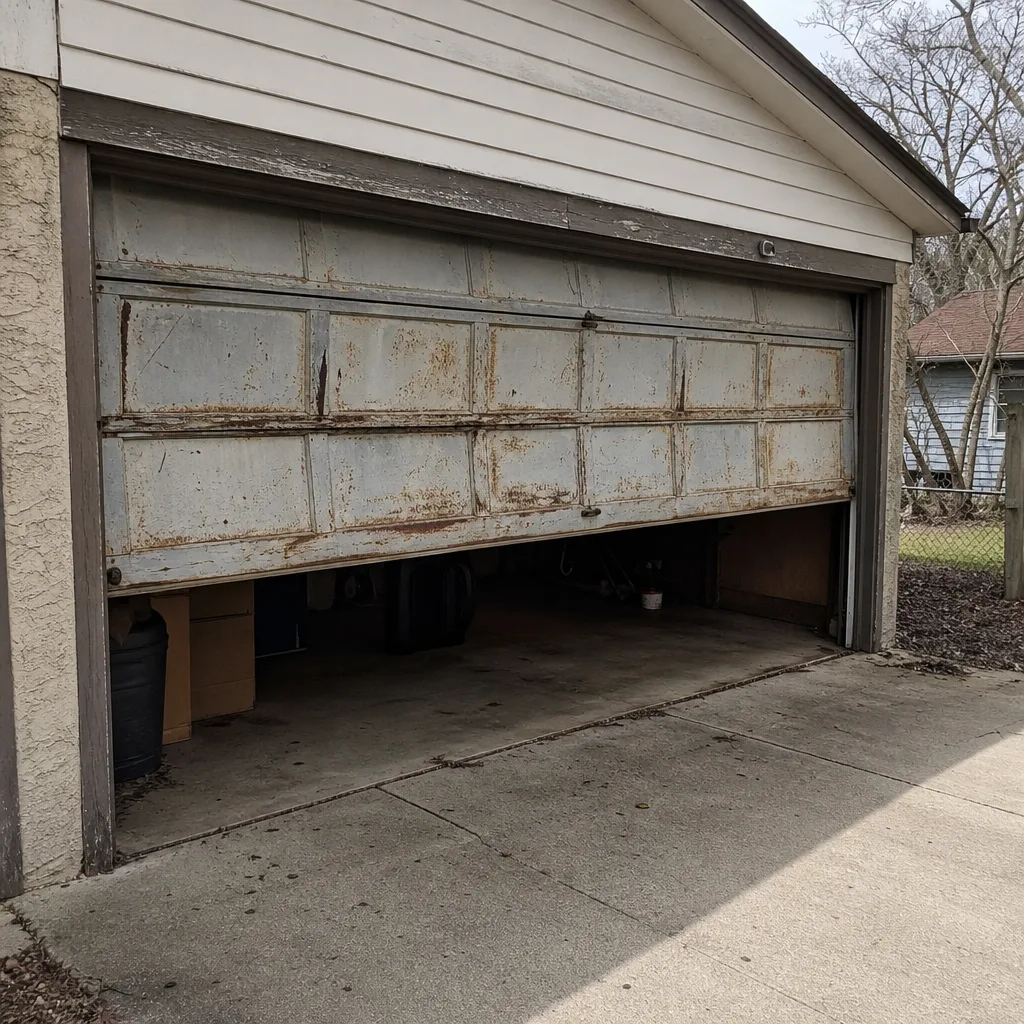 Before
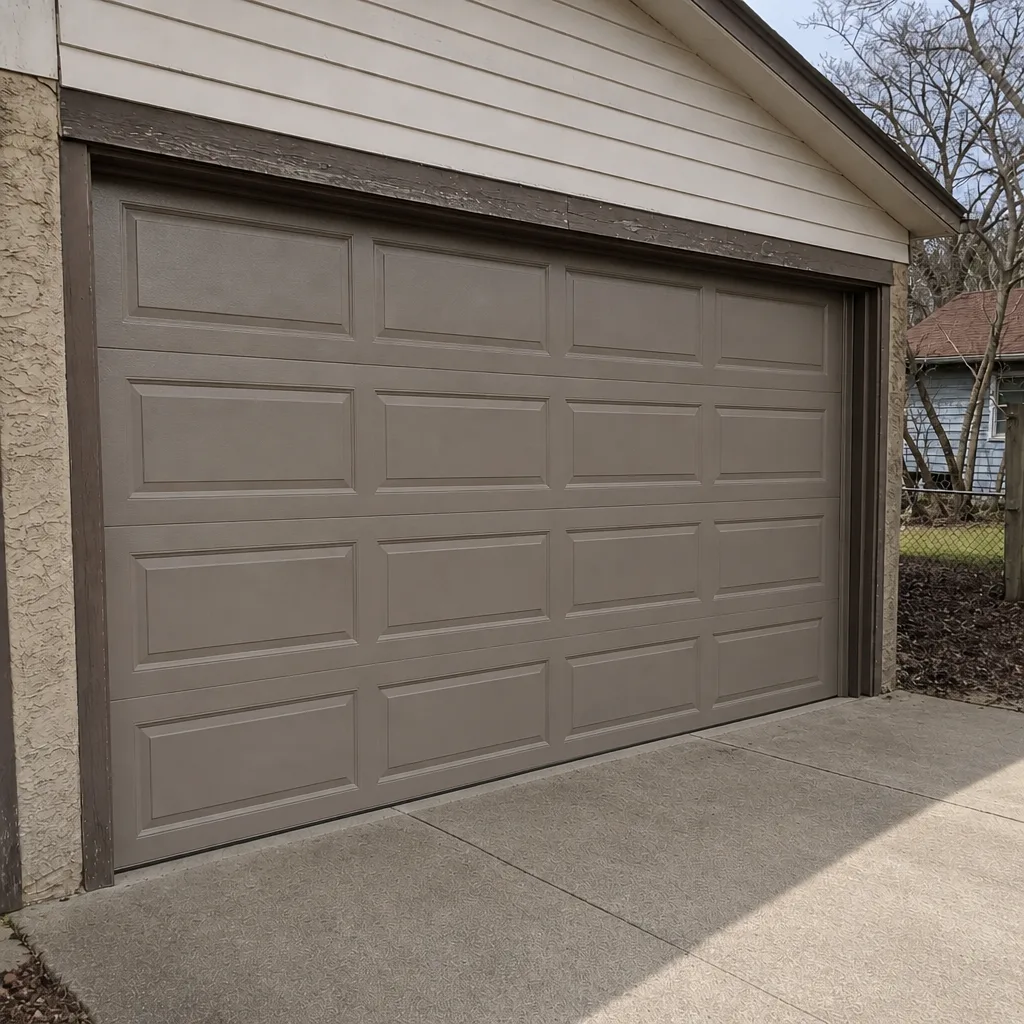 After
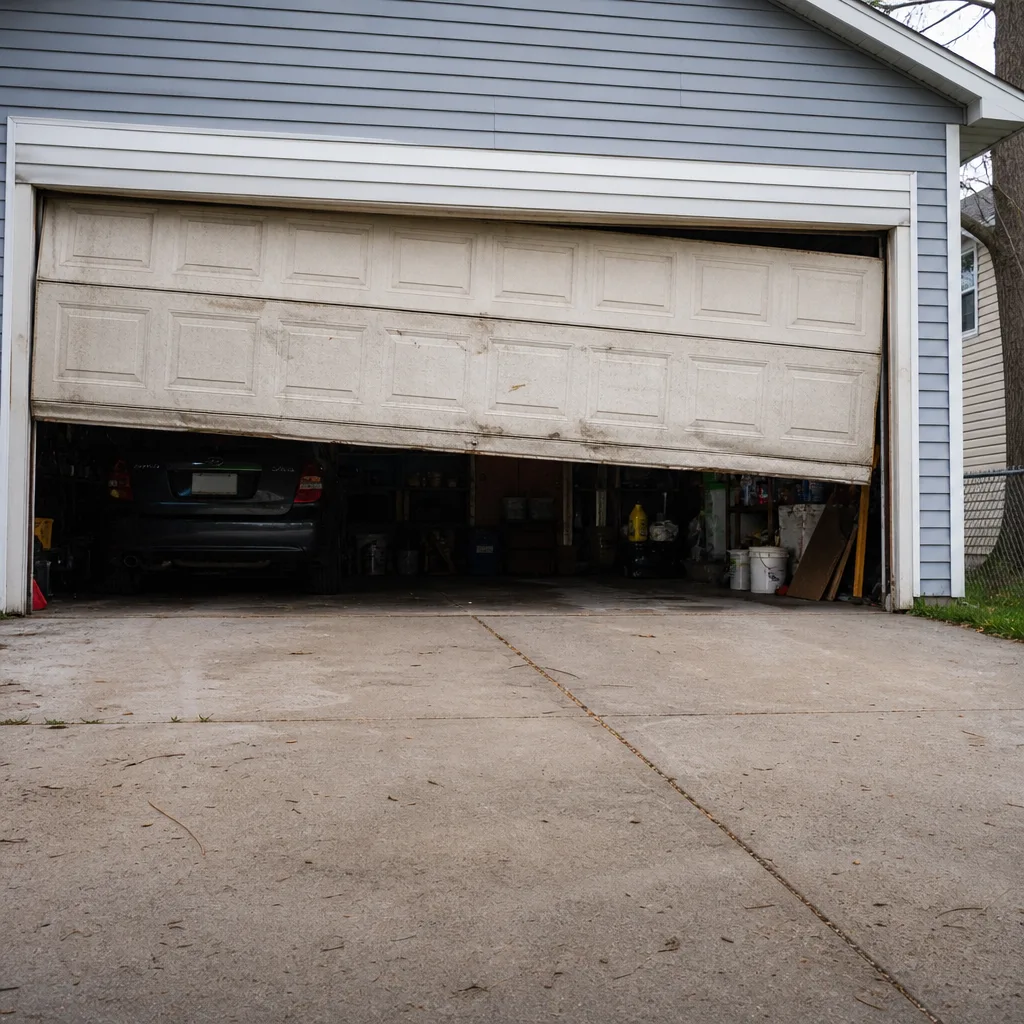 Before
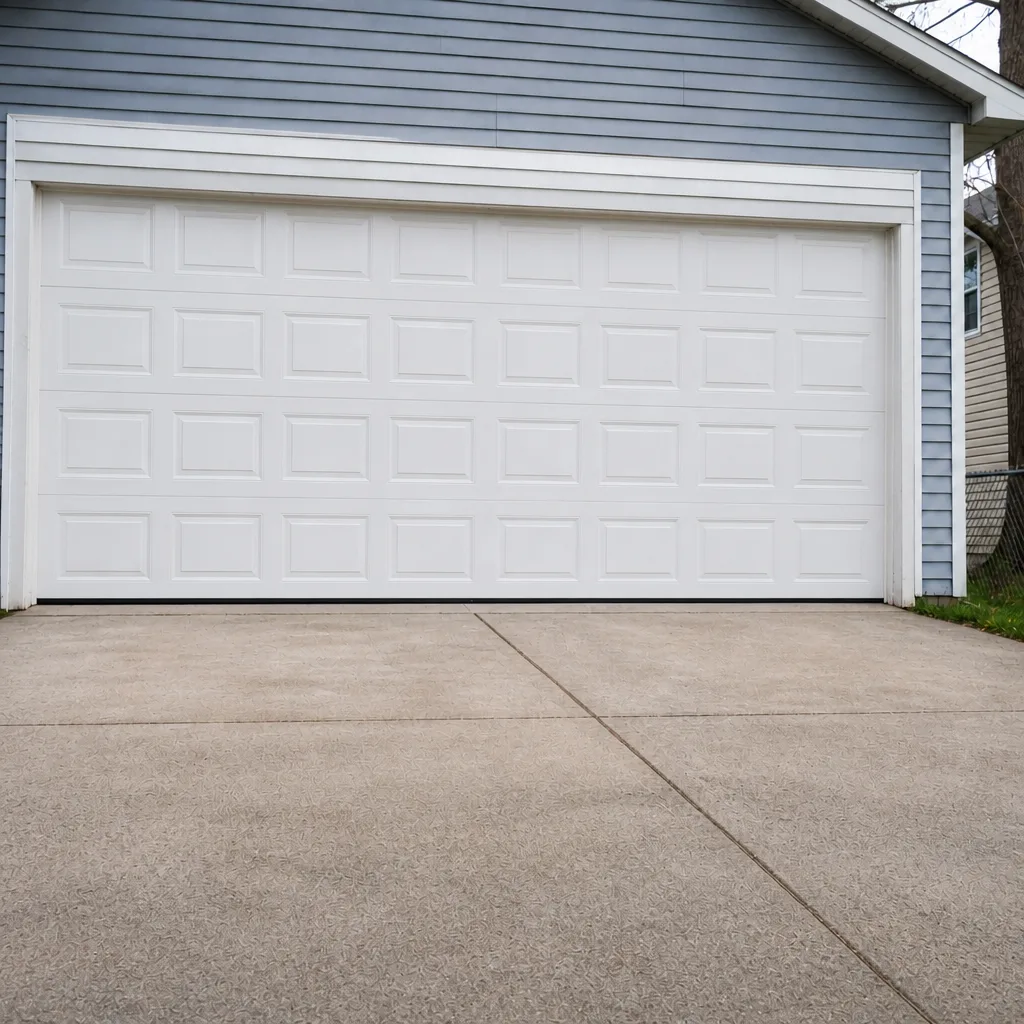 After
When to Call a Professional
Some garage door questions are paperwork and some are physical. If your St. Paul project involves changing the rough opening, adding a powered opener on a previously manual door, altering the fire-separation wall, or working through a historic overlay, the permit question needs a call to DSI. If your St. Paul project involves a door that won’t open, a torsion spring that’s snapped, a broken panel, or an opener that’s stopped responding, the safety question needs a trained technician. Those springs are under serious tension and a garage door system isn’t a DIY project. We’re a specialist shop that does garage doors only: repair, opener repair, and installation. Whether it’s the door, the opener, or both, we work on the brand you already have. Harvest Garage Door Repair offers free estimates in St. Paul and across the surrounding area. Call (888) 270-3708. We answer 24/7. Fast dispatch from 7am to 7pm, Sunday through Friday.
Frequently Asked Questions
In most cases, no, if the new door matches the existing opening in size and function. A permit generally becomes required when the project changes the rough opening, alters the structural framing, adds a powered opener to a previously manual door, or touches the fire-rated separation between an attached garage and the living space. The City of St. Paul Department of Safety and Inspections is the office that confirms it for your address, so a quick call there before ordering a door is the safest step. Call (888) 270-3708 for an exact quote on the installation side once the permit question is settled. Estimates are free.
Call the Department of Safety and Inspections (DSI), St. Paul’s building department. DSI issues residential building permits and performs garage door work inspections. When you call, have your parcel address and a specific description of the work ready: door size, whether the opening changes, whether a powered opener is being added, and whether the wall is fire-rated. A one-conversation answer to those questions tells you whether you’re in maintenance territory or construction territory. If the answer comes back that a permit is required, DSI can walk you through the residential permit application process.
Usually yes, when the door was previously manual and a powered opener is being installed for the first time. The electrical work involved is typically its own scope with its own requirements, and DSI handles the permit question for the whole project. A call to DSI before you buy the opener confirms the scope and avoids the situation where the opener gets installed and the electrical step becomes a retroactive problem. We install and repair openers from all major brands, including LiftMaster and Craftsman, and we’re happy to quote the installation once the electrical scope is clear. Call (888) 270-3708. Estimates are free.
Minnesota residential code treats the wall and the pedestrian door between an attached garage and the living space as a fire-separation assembly. In practice, the door between the garage and the house usually needs to be solid-core or rated and self-closing, and the wall and ceiling have to be intact with no defeatable penetrations. If a permitted project exposes any part of that assembly, the inspector will check it. We see St. Paul homes where an old garage finish or rework left the separation wall below standard, and we flag it before installation rather than after. Sorting the separation wall out is a separate scope. Call (888) 270-3708 for a free estimate on the door side of the project.
Yes, if the door is visible from the public right of way. St. Paul locally designated historic districts, including Irvine Park and Cathedral Hill, have heritage preservation review for exterior changes visible from the street. That review is separate from the DSI building permit, and both have to clear. Review typically addresses panel style, material, color, and window configuration. Confirm the overlay status with DSI for your address before finalizing a door selection, and pick the door after the overlay question is answered, not before.
The installation itself is fast; the permit and inspection timeline is set by the city. DSI’s inspection queue runs on the city’s workload and typically takes days rather than hours from the point a slot is requested. The permit application itself moves through DSI at its own pace. We tell St. Paul homeowners to build a buffer between installation and the final inspection, especially if there’s a deadline such as a sale closing involved. We can schedule installation around that buffer, so the door is working while the paperwork clears. Call (888) 270-3708 for a free installation estimate. Everything is quoted and agreed before any work starts.
When the opener work involves new electrical circuits or changes to the existing wiring, that electrical scope usually requires its own permit. When the opener simply plugs into an existing outlet and nothing in the wiring changes, the permit picture is usually simpler, though DSI confirms the specifics for your address. The safest approach in St. Paul is to call DSI with the exact scope before buying the opener. If the opener replacement is just a repair on an existing system, no permit is usually involved. For a repair, our garage door opener repair team can often diagnose and fix the issue the same day. Call (888) 270-3708. Estimates are free.
Yes, it can. Ramsey County home inspectors are thorough about garages, and an unpermitted modification tends to show up on a buyer’s inspection report as a code concern. From there, a buyer’s agent typically asks the seller to produce a permit record and final inspection sign-off. If neither exists, the seller usually has to negotiate a retroactive permit or a corrected scope, and Minnesota disclosure requirements mean it has to be disclosed once identified. A permit at the front of a project is a small cost. Sorting out a missing permit during a sale in St. Paul is usually more expensive and slower. Call (888) 270-3708 for a free estimate on the door side of the project.
The Bottom Line
In St. Paul, a garage door replacement usually doesn’t need a permit, but the line between routine replacement and permitted modification is narrower than most homeowners expect. The triggers are consistent: changes to the rough opening, new framing, adding a powered opener to a manual door, and alterations to the fire-separation assembly between garage and living space. Historic overlay districts like Irvine Park and Cathedral Hill add a parallel review, and DSI handles the building-permit side for every St. Paul address. Confirm the permit question with DSI before you order a door. Keep the final inspection sign-off with your home records. And when the door itself needs service or replacement, work with a specialist who handles the brand already on your home.
If you’ve read this far and want a straight answer on what your garage door needs, give us a call. Our technicians have up to 8 years of experience and are trained across the brands most St. Paul homes already have, including LiftMaster, Clopay, and Wayne Dalton. Whether it’s the door, the opener, or both, we work on the brand you already have.
Contact
Harvest Garage Door Repair handles garage door repair, garage door opener repair, and garage door installation for homeowners across St. Paul and the surrounding metro. If your St. Paul garage door is showing problems or you’re ready to plan a replacement, call (888) 270-3708 for a free estimate. We answer 24/7, with fast dispatch from 7am to 7pm, Sunday through Friday. Every job is quoted and agreed before any work starts, and the written estimate is the price. Whether you’re sorting out a permit question with DSI or you just need to be back up and running, we’re glad to help.
Written by the team at Harvest Garage Door Repair.