
Last updated November 15, 2026
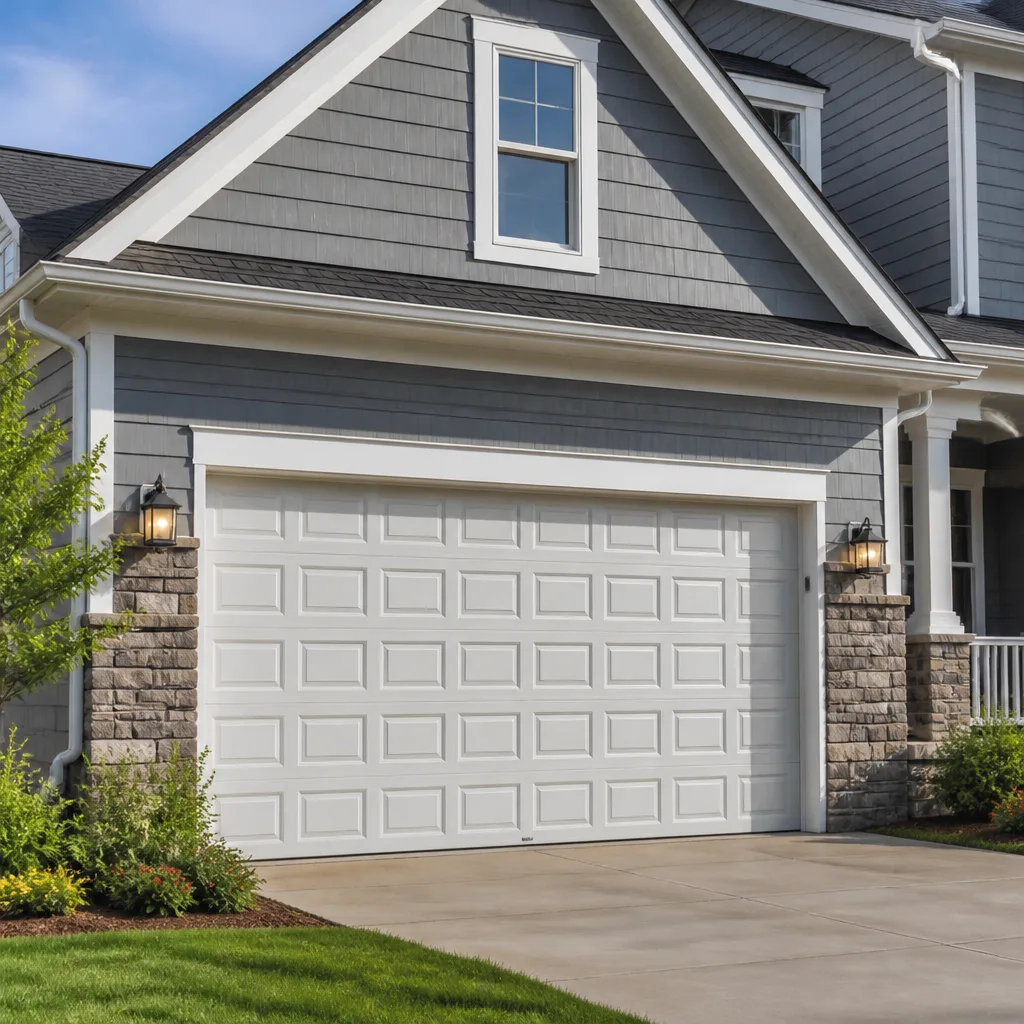 Raised-panel steel
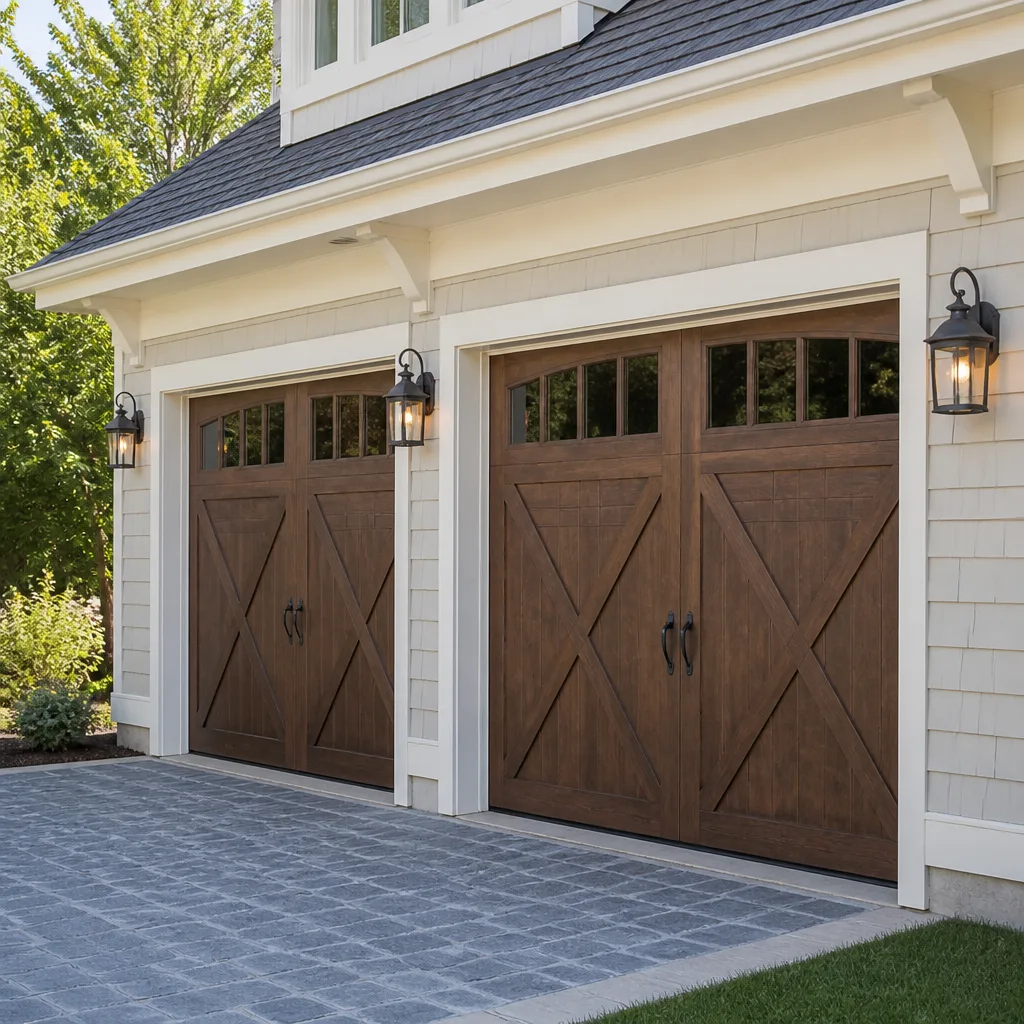 Carriage house
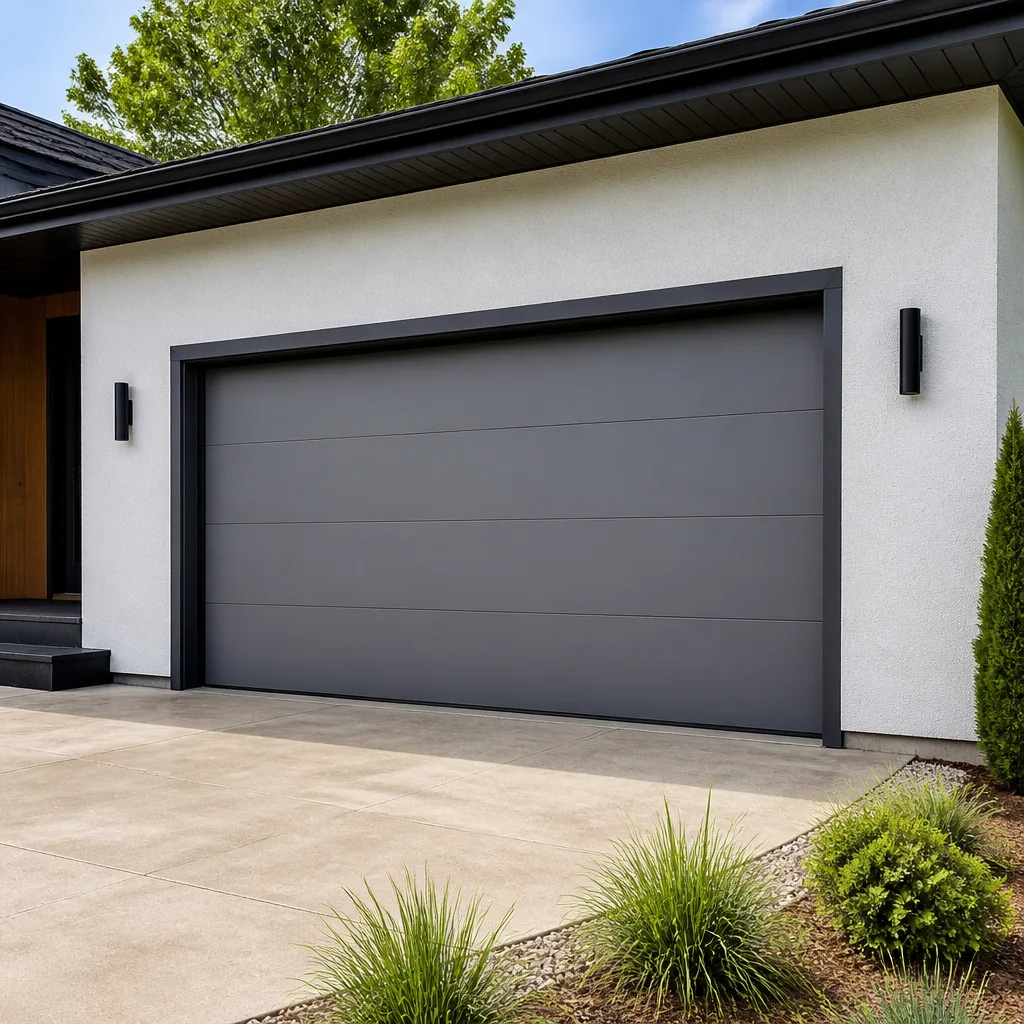 Modern flush
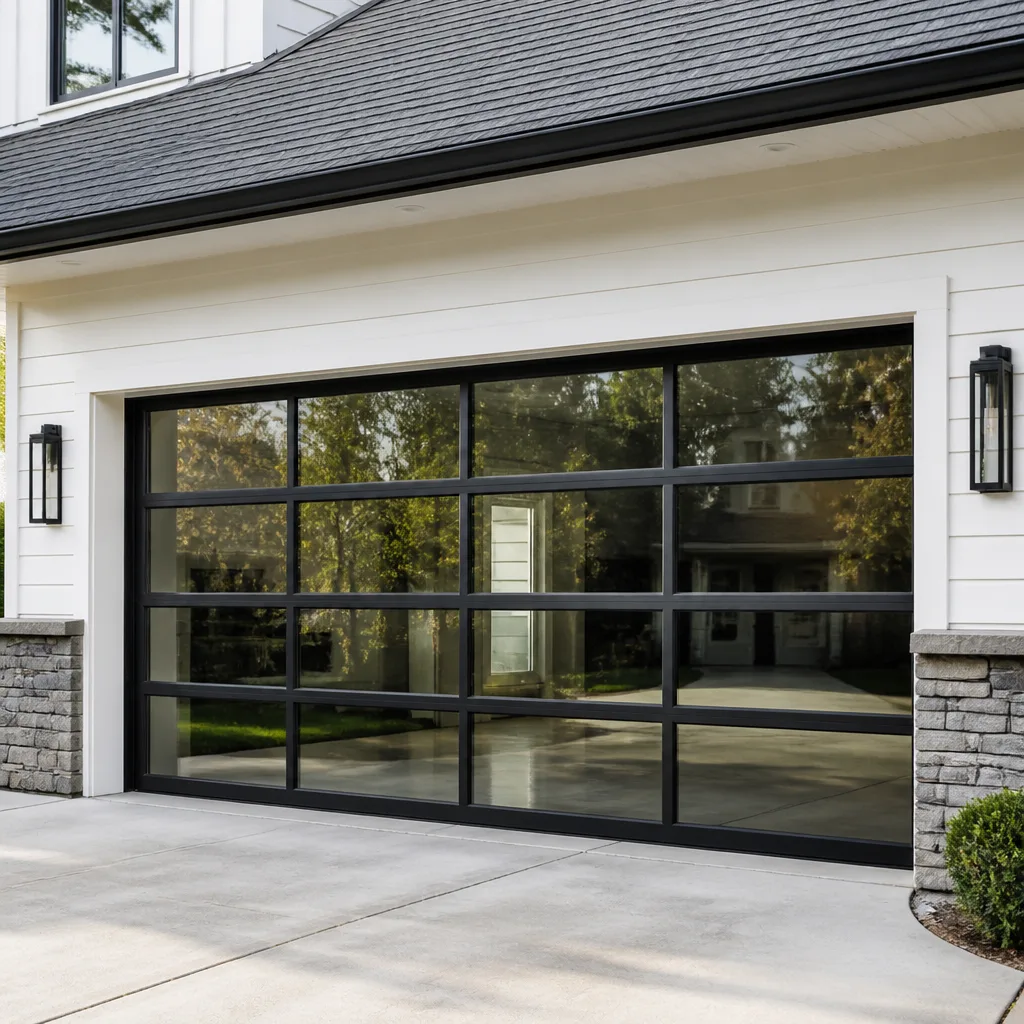 Full-view glass
 LiftMaster openers
 Chamberlain openers
Full 25-point door and opener safety check with every visit - springs, cables, rollers, tracks, and your LiftMaster or Chamberlain opener included
You get a price before we start. It does not change when the pro arrives.
Get your free estimateGarage Door Emergency Preparedness Guide for St. Paul Homes
Most garage door emergencies in St. Paul don’t start with a bang. They start with a door that’s been frozen to the concrete for two days, a homeowner who needs to get to work, and a decision made in thirty seconds that turns a simple thaw into a snapped spring and a much bigger bill. The cold snap is what people remember. The forced door is what actually caused the damage. What follows is a practical, season-by-season playbook for getting through the three events St. Paul throws at garage doors – the deep freeze, the ice storm, and the power outage – without hurting yourself or wrecking the door. You’ll learn the frozen-door sequence, the manual release done right, and who to call when it’s beyond you.
Quick Answer
The three garage door emergencies that hit St. Paul homes hardest are frozen doors, snapped springs or cables, and dead openers during a power outage. You can prevent most of them by clearing ice and snow away from the bottom seal before a freeze, testing the manual release in fall, and never forcing a frozen door open – call a specialist the moment a spring or cable goes. If you’re dealing with a broken spring, snapped cable, or a door stuck partway, that’s a same-day call, and the earliest help comes from garage door repair rather than a do-it-yourself project.
Styles & brands we work with
- Raised-panel steel
- Carriage house
- Modern flush
- Full-view glass
- LiftMaster openers
- Chamberlain openers
Table of Contents
- The Three Emergencies St. Paul Garage Doors Actually Face
- The Frozen Door Protocol: What to Do, In Order
- Using the Manual Release Cord Correctly During a Power Outage
- Six-Hour Pre-Storm Checklist Before an Ice Storm
- When a Cable Snaps or a Spring Breaks Mid-Cycle
- What to Do When the Power Goes Out
- Who to Call and What to Say
- True Same-Day Emergency vs. Next-Morning Job
The Three Emergencies St. Paul Garage Doors Actually Face
Garage doors in St. Paul don’t fail in a random pattern. Walk through a season here and the same three events keep showing up: the polar vortex cold snap, the ice storm, and the power outage that follows a heavy snowfall. Each one stresses the door in a different way, and each one has a different fix. Understanding which you’re in tells you whether to reach for a bag of ice melt or the phone.
The cold snap is the most common. When temperatures sit well below freezing for days, the rubber bottom seal bonds to the concrete, hinges stiffen, and grease in the opener’s drive system thickens. The door isn’t broken – it’s stuck. The ice storm is the messiest. Ice builds up in the tracks and on the threshold, and a door that tries to close on top of it will either jam or reverse. The power outage is the quietest. No storm damage at all, just an opener with no electricity to run it and a homeowner who needs to leave.
- Deep freeze: seal bonded to concrete, stiff hinges, sluggish opener. Usually solvable without a technician if you don’t force anything.
- Ice storm: ice in tracks, threshold buildup, a door that won’t close flush. Often needs a careful thaw and a track check afterward.
- Power outage: opener inoperable, door fully intact. The manual release handles this if used correctly.
Most of what follows is about handling the first two calmly and getting the third one right the first time. The homeowners who come through these events with a working door and a clean bill of health are the ones who prepared before the first hard freeze, not the ones who scrambled the morning of.
The Frozen Door Protocol: What to Do, In Order
If your garage door is frozen to the floor, do not hit the opener button again. The opener is designed to move the door, not to break a bond of ice to concrete, and it will keep pushing against a door that physically can’t move. That’s how springs and opener gears fail. Thaw the seal first, then test the door by hand, then use the opener only once the door lifts freely.
This sequence is written for a St. Paul winter morning, but it works any time a door is stuck to the concrete:
- Disconnect the opener. Pull the manual release cord so the opener is no longer trying to move the door. This is the first move in every frozen-door scenario.
- Break the ice bond at the base. A bag of ice melt scattered along the bottom edge of the door, where the seal meets the concrete, does the job. Give it ten to fifteen minutes to work into the bond.
- Check the sides and threshold too. Ice often builds up along the bottom corners and just inside the tracks. Chip it loose gently with a plastic scraper – never a metal shovel or a screwdriver.
- Lift the door by hand. Once the bond gives, lift it a few inches by hand to confirm it moves freely through the track. If it does, reconnect the opener and run it up and down once to check.
- Clear snow and ice away from the door for the rest of the season. A dry threshold doesn’t freeze to the seal.
Hot water is on the do-not-use list. It feels like a shortcut, but it melts the surface ice, runs into the gap, and refreezes harder the moment the water cools – often locking the door in place worse than before and putting water into the door’s bottom section, which is exactly where rust starts. Cold ice melt or a plastic scraper is slower and gentler. Our technicians have up to 8 years of experience with St. Paul winters, and the doors that survive them well are almost always the ones nobody forced open.
Using the Manual Release Cord Correctly During a Power Outage
The manual release cord is the single most useful thing on your garage door during a power outage, and the single most dangerous thing to use wrong. Used correctly, it lets you open the door by hand, get the car out, and close it again. Used incorrectly – releasing a fully raised door – it allows the door to drop under its own weight, which can cause serious injury and can bend panels, tracks, and hinges.
Here’s the correct sequence for a power-outage door on a home in St. Paul or anywhere else:
- Lower the door fully first. The door must be completely closed before you touch the release cord. This is the step that gets skipped.
- Pull the release cord. The cord hangs from the opener trolley. Pull it straight down and the trolley disconnects from the door.
- Lift the door by hand. A balanced door raises easily. If it feels heavy or drops on its own, stop and don’t fight it – the springs are doing less work than they should.
- Reconnect once the power is back. With the door fully closed, pull the release cord again and run the opener up and down one cycle to check the trolley re-engaged.
The one mistake that causes the most trouble: releasing the cord while the door is fully or partly raised. Without the opener holding it, the door’s only support is its springs, and a door with a worn spring can drop fast. Never stand or walk under a door that’s been manually released and is up. If your opener is dead and you need to get in and out for a day or two, the manual release is the tool – used at the closed position, every time. When the opener itself is the problem and not the power, that’s garage door opener repair territory, and it’s worth a call before you assume the unit is finished.
Six-Hour Pre-Storm Checklist Before an Ice Storm
Ice storms are the most predictable of the three St. Paul garage door emergencies. You usually have a day’s warning, and the six hours before the freezing rain starts are when the most useful work happens. None of it takes long. All of it prevents the most common post-storm failures – ice in the tracks, a stuck threshold, and a door that won’t close on a scheduled departure.
If a major ice storm is forecast for St. Paul, work through this list the evening before or early that morning:
- Clear snow from the apron in front of the door. Snow that melts and refreezes in the tracks is the main cause of a jammed door after a storm.
- Check the tracks for debris and loose bolts. Ice in a track with a loose bolt is worse than ice in a solid track.
- Sweep snow away from the bottom seal. A dry seal doesn’t bond. A wet one freezes to the concrete.
- Test the door by hand before the storm. If it feels stiff or heavy on a dry day, it’ll be worse in the cold.
- Test the manual release in the closed position. Better to learn the motion on a dry evening than in the dark during an outage.
- Keep a bag of ice melt inside the garage, not out in the snow. You’ll want it accessible if the door does freeze.
- Confirm your opener’s battery backup works, if it has one. An opener with backup power keeps a stuck vehicle from being stuck all night.
Six hours is roughly the window you get. Use it. Most of the calls we hear about after an ice storm involve steps on this list that were skipped – the snow that wasn’t cleared, the release that was never tested, the seal nobody checked. Brands like Clopay, Amarr, and Wayne Dalton all use the same basic seal-to-concrete design; the checklist is the same regardless of the door in front of you.
When a Cable Snaps or a Spring Breaks Mid-Cycle
A snapped cable and a broken spring are the two garage door failures that should always end in a phone call, not a repair attempt. Both involve components under high tension. The springs, in particular, hold the full weight of the door – a spring under tension can release with enough force to cause serious injury. Do not try to lift the door, do not try to straighten a bent track, and do not attempt to reach up and unhook anything. The safest thing you can do is stop and call.
If the door is already open when a spring or cable gives out, the first priority is getting it closed without dropping it. Do not remove any tension from the system. Do not try to move the door by hand if it feels like it’s hanging. Here’s what to do:
- Keep everyone clear of the door. Especially children and pets – the door is now in an unstable state.
- Do not force it up or down. Whatever position it’s in, leave it. Unstable is safer than moving.
- If the door is fully up and stuck, use the manual release and get the car out from underneath, one last time. Don’t then try to close it by hand – the door is unbalanced.
- Call and describe the door as best you can. The details below help us triage.
If the vehicle is stuck inside the garage and the door is in an unstable position, we can sometimes talk you through a safe way to get the car out while you wait. That call should not wait for a morning slot. Springs and cables are the part of the trade where the safety margins are tightest, and St. Paul winters make them tighter – the metal is cold, the springs are stressed, and a door that was “getting by” in October is not getting by in January.
What to Do When the Power Goes Out
A power outage doesn’t damage the door. It just stops the opener, and the door stops with it. The fix is the manual release cord – properly used, at the closed position – and knowing whether your opener has a battery backup. Most modern LiftMaster, Chamberlain, and Genie units sold in the last decade either have a backup battery built in or offer one as an add-on. If your opener has one, confirm it works before you need it. If it doesn’t, the manual release is the tool.
The sequence for a power outage in a St. Paul home is straightforward:
- Don’t repeatedly press the opener button. The opener can’t move a door with no power, and pressing it does nothing but drain backup batteries if you have them.
- Use the manual release – door closed first. Pull the cord only when the door is fully down.
- Lift the door by hand, get the car out or in, close it by hand. A well-balanced door is easy to move by hand. A door that feels heavy has a spring problem, not a power problem.
- Reconnect when the power is back. Pull the release cord again with the door closed, then run the opener one full cycle.
The most common frustration after a power outage is a door that won’t reconnect to the opener. That almost always means the trolley wasn’t re-engaged properly before the opener was tested. If it won’t reconnect after two tries, that’s a job for a specialist – and it’s often a sign the opener itself needs attention beyond the power issue.
Who to Call and What to Say
When you call for a garage door emergency in St. Paul, the two things that get you the fastest help are a clear description of the failure and a clear description of the door. Shops triage by symptom, not by brand – the spring and cable failures are the priority calls, then the doors stuck in unsafe positions, then everything else. If you can describe what broke and what the door is doing now, you save the dispatcher a dozen questions and you get scheduled faster.
Here’s what to have ready when you call:
- What part failed. Spring, cable, opener, track, panel, hinge, or “not sure.” “Not sure” is a fine answer if the door is stuck or making a noise you don’t recognize.
- What the door is doing. Fully up and stuck, fully down and stuck, partway up, dropped on one side, or not moving at all.
- Whether a vehicle is trapped inside. This changes the urgency.
- Something about the door itself. Brand if you know it (Clopay, Amarr, Wayne Dalton, Craftsman and several others are common in the metro), roughly how old, and whether it’s a single or double door.
- Whether the opener is still working. If the opener runs but the door doesn’t move, the problem is mechanical. If the opener is silent, the problem may be power or the unit itself.
Harvest Garage Door Repair works on the brand that’s already on your home, which means the description above doesn’t need to be shoehorned into a specific manufacturer. Garage doors are all we do, whether it’s the door, the opener, or both. When you call to book, we’ll ask what broke and set a written price before any work starts. Call (888) 270-3708. We answer 24/7. Fast dispatch from 7am to 7pm, Sunday through Friday.
True Same-Day Emergency vs. Next-Morning Job
Not every garage door problem is a same-day emergency. The door that’s stuck in a stable fully-closed position, with no vehicle trapped and no spring hanging loose, is usually safe to book for the next opening. The door with a broken spring, a snapped cable, a car trapped inside, or a section that’s dropped on one side is a same-day call – those are the cases where waiting risks more damage or someone getting hurt.
Here’s the simple split we use:
- Same-day emergency: broken spring, snapped cable, door off track, door dropped on one side, vehicle trapped, door stuck in an unsafe position, or the door won’t close and the house isn’t secure.
- Next-morning job: opener not responding but door moves freely by hand, door making noise but functional, slow opener, underperforming safety sensor, weather seal damage without a spring or cable failure.
If you’re not sure which camp you’re in, describe the door when you call and we’ll help you decide. We answer 24/7. A call outside dispatch hours is booked into the next opening, Sunday through Friday, 7am to 7pm. We don’t handle after-hours dispatch, and we don’t want you to wait up for a technician – book the door and we’ll see it in the next open slot. If it’s below freezing and a door is stuck partway up with the house open to the cold, treat that as a same-day call even if the mechanism itself isn’t dangerous.
Common Mistakes to Avoid
- Forcing a frozen door open with the opener. The opener is designed to move the door, not break a bond of ice to concrete. Springs, gears, and hinges are what give first. Thaw the seal before you touch the button.
- Using hot water to thaw the door. It feels faster, and it refreezes harder than before, often driving water into the door’s bottom section where rust begins. Ice melt or a plastic scraper does the job without the side effects.
- Releasing the manual cord while the door is up. The one mistake that turns a power outage into an injury. Always release at the closed position. A raised, released door is held only by its springs.
- Clearing ice with a metal shovel. A shovel blade catches a track or a seal and bends both. Use a plastic scraper on the bottom edge and leave the tracks to a technician if they need cleaning.
- Skipping the pre-storm checklist before a forecast ice storm. Six hours of warning is enough time to clear the apron, sweep the seal, and test the release. St. Paul storms give you the chance – take it.
- Assuming a dead opener means a new opener. LiftMaster, Chamberlain, Genie, and several other brands are all serviceable. A dead opener is often a sensor, a logic board, or a drive gear – not a replacement.
- Closing a door on ice buildup in the tracks. The door reverses, jams, or drops a section. Clear the track before you close the door the first time after a storm.
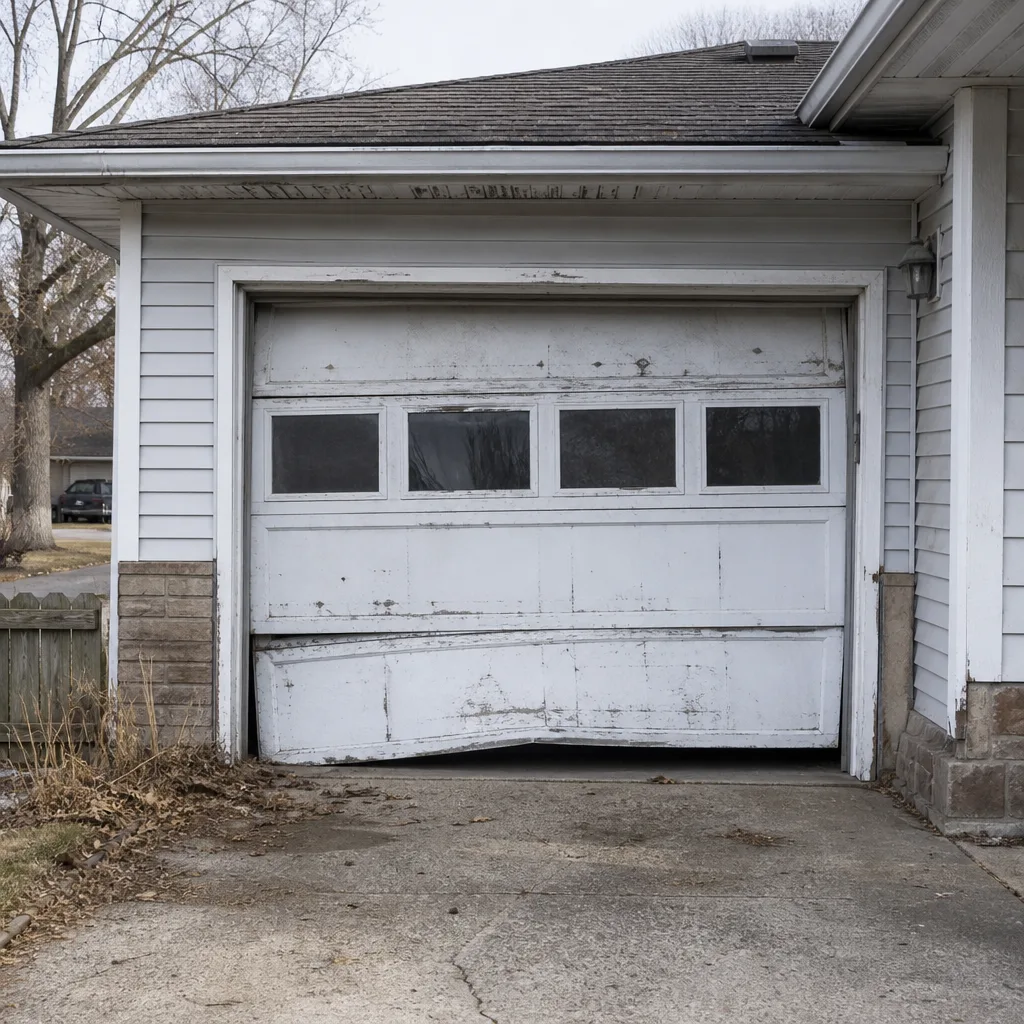
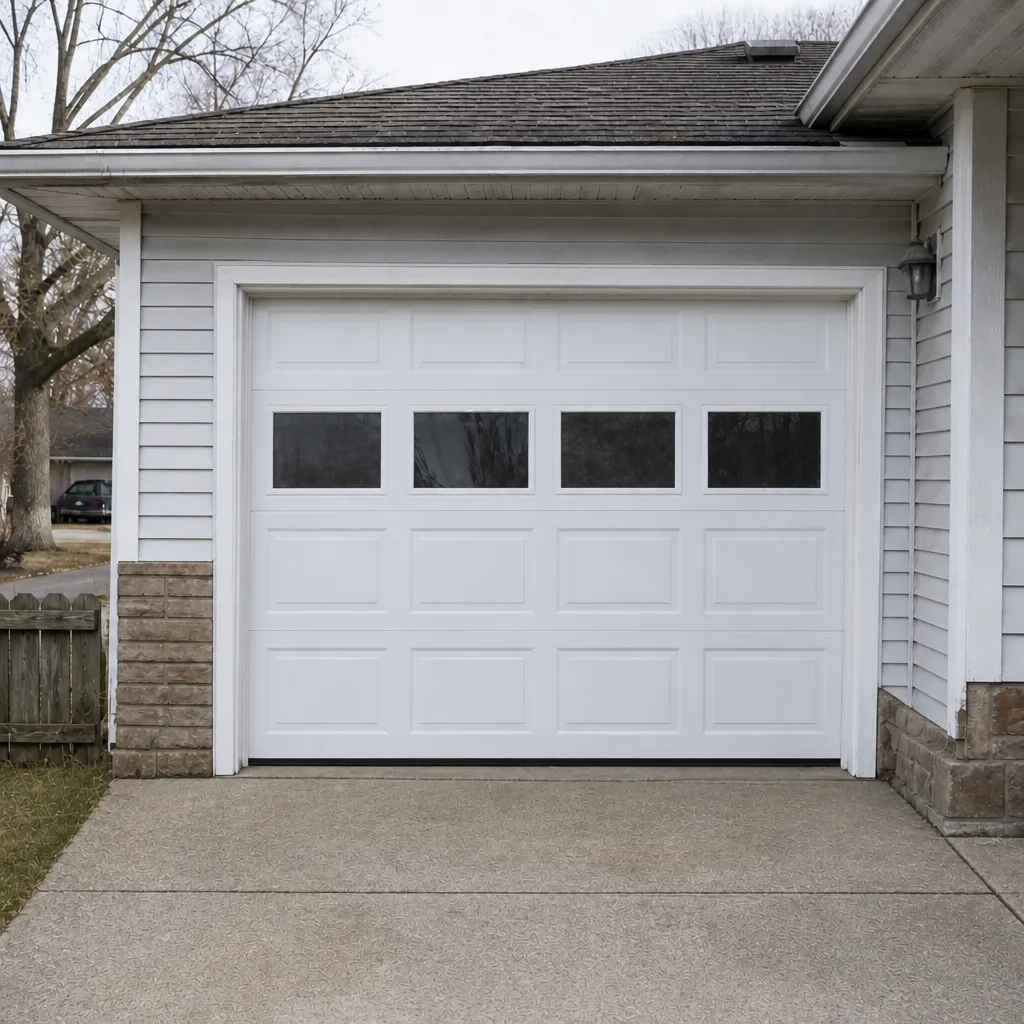
See the difference
 Before
 After
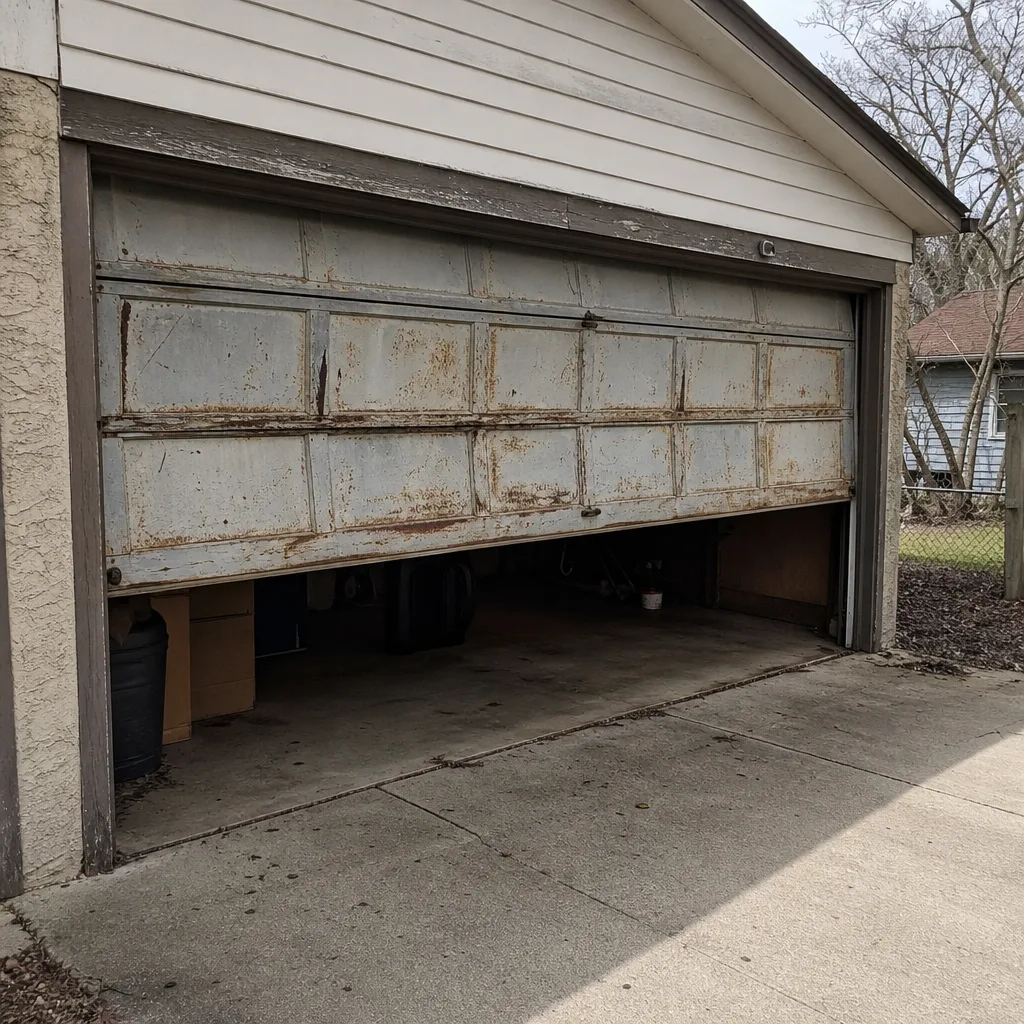 Before
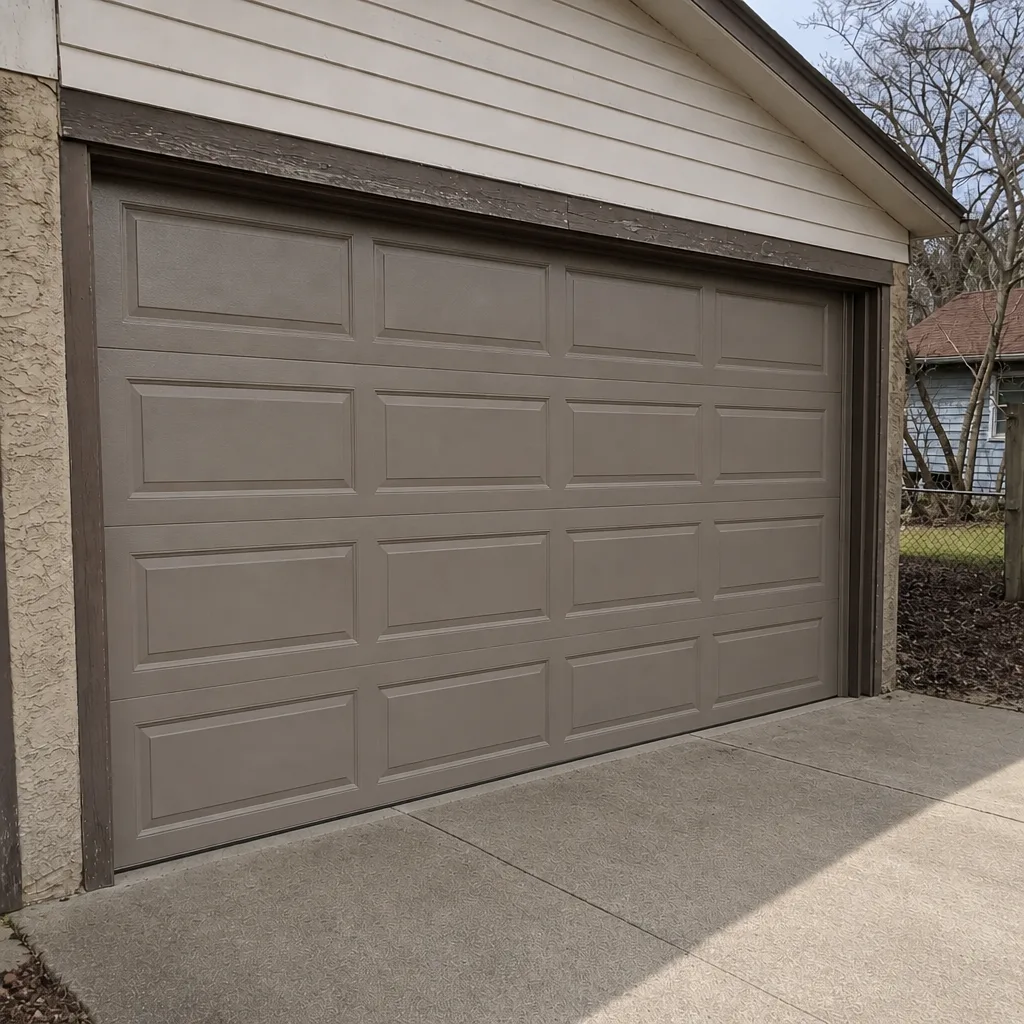 After
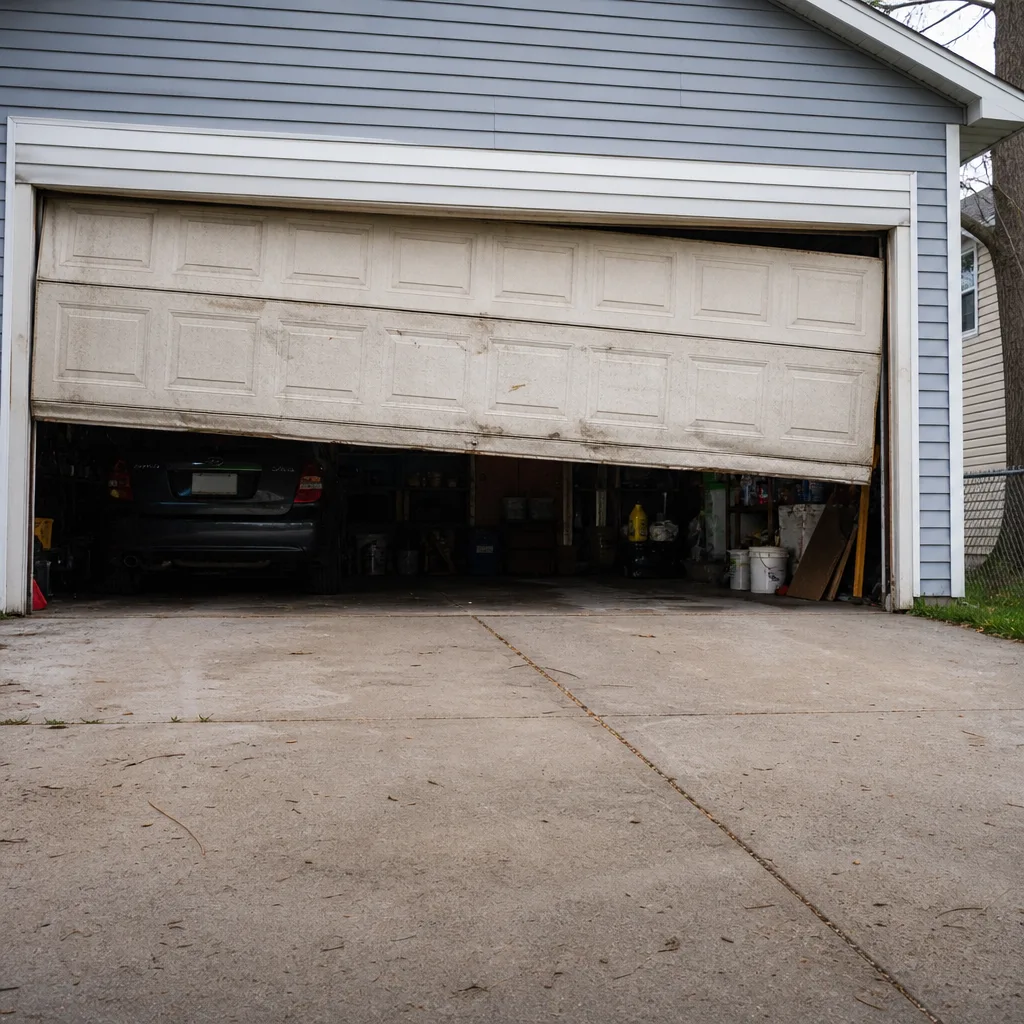 Before
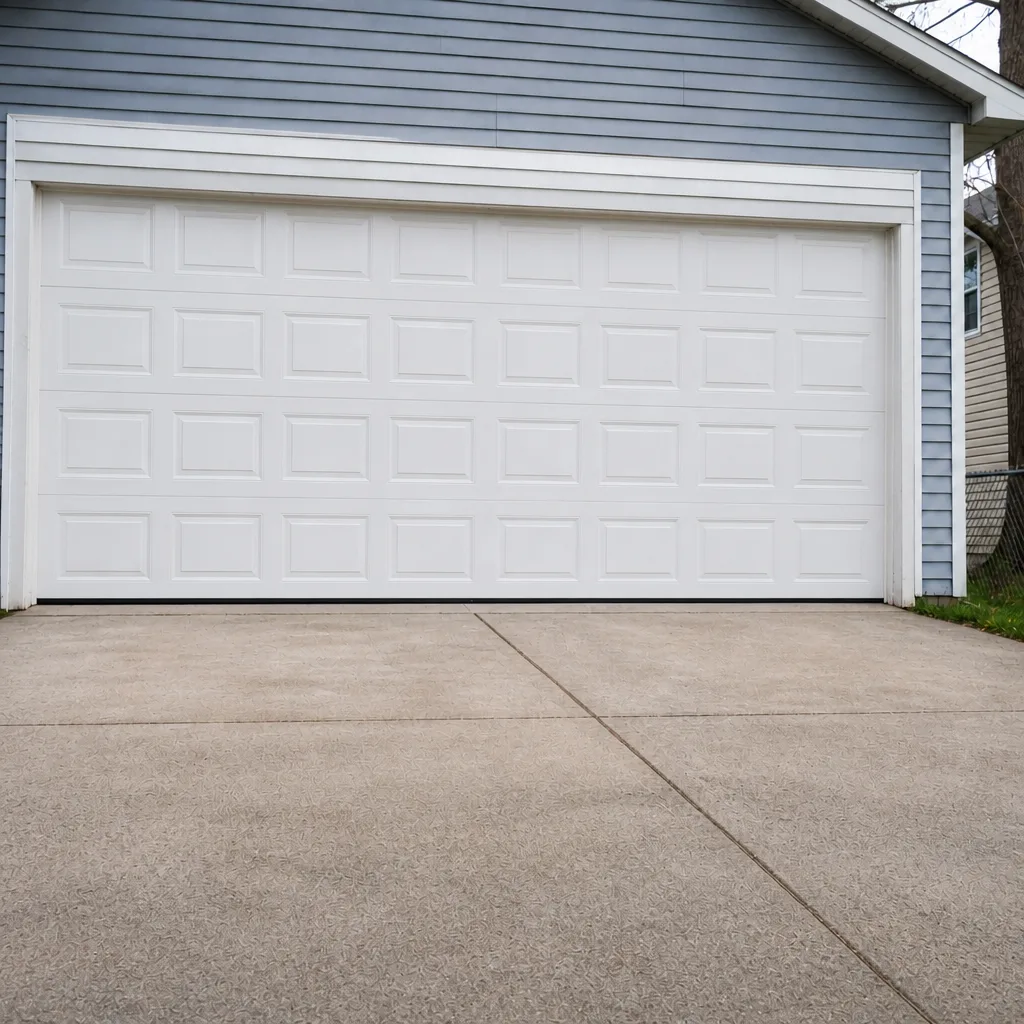 After
When to Call a Professional
Call a professional the moment a spring or cable is involved, the door is off its track, or a vehicle is trapped and the door is in an unstable position. Those are the cases where the wrong move makes things worse and someone gets hurt. Also call when a door is slow, heavy, or noisy through a St. Paul winter – those are warning signs, not emergencies yet, and a small adjustment in November is a lot cheaper than a broken spring in February. If the opener itself has stopped responding but the door moves fine by hand, that’s an opener job, and Harvest Garage Door Repair can diagnose it.
Harvest Garage Door Repair offers free estimates in St. Paul – call (888) 270-3708. Our technicians have up to 8 years of experience with the door and opener brands already installed across the metro, including LiftMaster, Chamberlain, Genie, Clopay, Amarr, Wayne Dalton, Craftsman, and Raynor. We’ll quote the price in writing before any work starts. Call (888) 270-3708. We answer 24/7. Fast dispatch from 7am to 7pm, Sunday through Friday.
Frequently Asked Questions
Disconnect the opener with the manual release cord and thaw the seal at the bottom edge with ice melt or a plastic scraper before you try to open the door. Don’t press the opener button again until the door lifts freely by hand. Hot water is a mistake here – it refreezes and can rust the bottom section. If the door still won’t lift after thawing, call (888) 270-3708 – estimates are free.
Yes, using the manual release cord, but only when the door is fully closed. Releasing the cord on a raised door lets the door drop under its own weight, which can cause injury and bend panels. Pull the release at the closed position, lift the door by hand, close it by hand, then re-engage the trolley with the door closed once the power is back. If your opener won’t reconnect, the opener itself may need service – call (888) 270-3708.
A broken spring, a snapped cable, a door off its track, a vehicle trapped inside, or a door dropped on one side is a same-day emergency. A slow opener, a noisy door that still works, or a dead opener with a free-moving door can usually be booked for the next opening. When you call, describe what the door is doing and we’ll help you sort it. Call (888) 270-3708 for an exact quote – estimates are free.
Cold weather stresses springs and cables – metal under tension is less forgiving in sub-zero temperatures, and a door that was “getting by” in fall has less margin in January. St. Paul winters don’t guarantee a spring failure, but they shorten the runway. If the door feels heavy or noisy before the first hard freeze, get it looked at. Call (888) 270-3708 to book a free estimate.
We work on the brand that’s already on your home. That includes LiftMaster, Chamberlain, Genie, Clopay, Amarr, Wayne Dalton, Craftsman, and Raynor. Brand matters less than the failure – spring and cable calls are handled the same way regardless of what’s on the door. Describing what broke helps us triage faster than describing the brand. Call (888) 270-3708 for a free estimate.
Tell the dispatcher what part failed (or “not sure”), what the door is doing right now (fully up, fully down, stuck partway, dropped on one side), and whether a vehicle is trapped. Those three details let us schedule you correctly. Add the door brand if you know it and whether the opener is still working. Call (888) 270-3708 – estimates are free.
The Bottom Line
St. Paul garage door emergencies come in three shapes – a frozen door, a snapped spring or cable, and a dead opener during an outage – and most of them are survivable without damage if you don’t force anything. Thaw before you lift. Release at the closed position. Clear the apron before an ice storm. Call the moment a spring or cable goes, because that’s a job for a specialist, not a tool kit. Everything else can usually wait for the next opening. The homeowners who come through a St. Paul winter with a working door are the ones who did their prep in fall and knew where the phone number was before they needed it.
If you’re not sure whether your door is a same-day call or a next-morning job, call us and describe it. Harvest Garage Door Repair works across the metro on the door and opener brands most common in St. Paul homes. Call (888) 270-3708 for a free estimate. We answer 24/7. Fast dispatch from 7am to 7pm, Sunday through Friday. The price is quoted in writing and agreed before any work starts, whether it’s the door, the opener, or both. And when the time comes to replace rather than repair, we handle garage door installation with the same written estimate up front.
Written by the team at Harvest Garage Door Repair.